


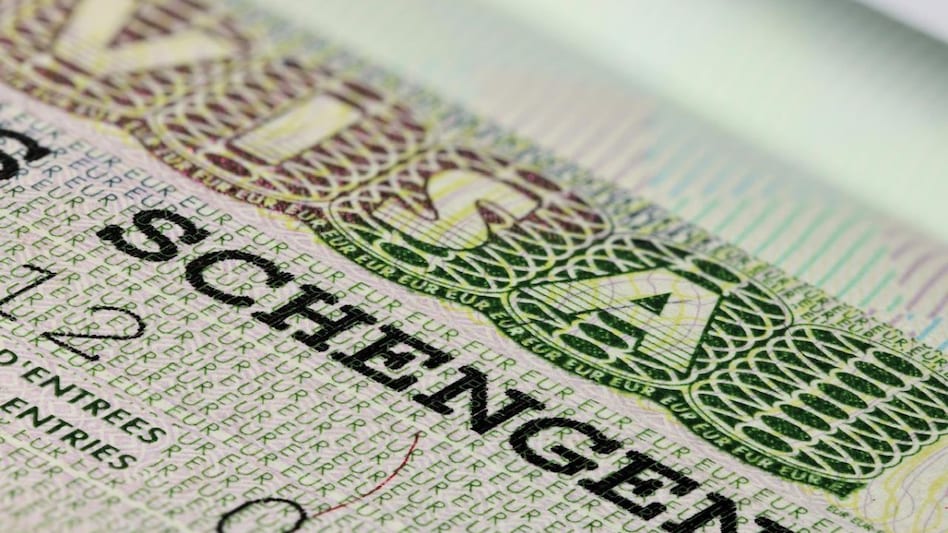
 Digital Schengen visa rollout begins in 2025: No more sticker visas for European travel
With the current holiday period winding down, many are already planning their next vacation, particularly to Schengen Area countries. For those navigating the constantly evolving visa application process, there’s some big news: the Schengen visa is set to become fully digital.
This shift, considered one of the most significant changes in years, will make visa processing faster and more efficient. France led the way by testing the system during the Paris Olympics, issuing 70,000 digital Schengen barcodes to visitors.

 Bangladesh turns to India for wheat as Black Sea disruption pushes up prices
 Morgan Stanley accidentally leaks 100-plus deal pipeline, including India IPOs: Report
 Sebi may ease margin requirements for longer-tenure F&O products
 India boosts LPG production as festive demand rises and Gulf supplies remain uncertain
 No petrol, diesel price hike proposal yet; govt may support OMCs if crude stays high
 India Growth Outlook Gets Major Boost: S&P, Fitch, ADB Raise FY27 Forecasts; OECD Upgrades 2026 View
 A-One Steels IPO Explained: Key Details, Growth Strategy & Future Outlook | Management Live
 Market Commentary: Nifty Outlook, Stocks & Market Strategy | Deven Choksey
 Ignore Large Caps? Why Investors Are Chasing High P/E Mid Cap Stocks Now
 30 IPOs In A Month: Deven Choksey On IPO Flipping And Secondary Market Liquidity
 Sebi may ease margin requirements for longer-tenure F&O products
 RBI to conduct OMO sale of Rs 25,000 crore in government bonds on September 28
 NSE shares: Deven Choksey lists reasons for long-term investment; calls stock 'shock absorber' in volatile markets
 Crude oil prices fall for sixth session; PL Capital explains what could happen next
 Mazagon Dock, GRSE shares: Does short-term bounce signal trend reversal? Analyst decodes
 Apple Pay India launch: After 90+ markets, is India finally next? What you can expect
 BT Big Story: Is 66% = zero? The Tata Sons question on everyone’s minds
  Diwali car rush: New models from Honda, Volvo, Tata and more could arrive soon
 RBI repo rate hike on or off? S&P sees 5.5%, Fitch projects 5.75% in 2027
 From Gulf to US: How the Iran war is redrawing India’s LPG import map












