


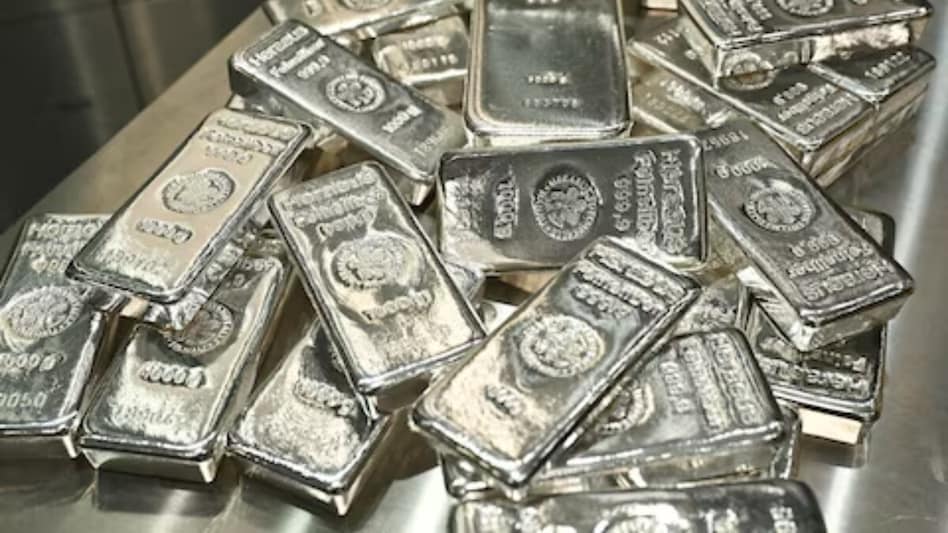
 At the latest count, MCX silver was trading at ₹3,63,613 per kg, up 8.64 per cent on the day.
Silver prices registered a sharp surge in today’s session, with MCX silver decisively breaching the ₹3.6 lakh per kg milestone. The contract opened on a firm note at ₹3,39,824 per kg, compared with the previous close of ₹3,34,699. As the session progressed, prices rallied strongly to hit a fresh lifetime high of ₹3,64,820 per kg. At the latest count, MCX silver was trading at ₹3,63,613 per kg, up 8.64 per cent on the day.
The rally reflects an extraordinary upswing in global silver prices over the past year. Silver has climbed from around $30 per ounce in January 2025 to nearly $111 per ounce in January 2026, marking a staggering 270 per cent increase in just 12 months. The momentum has continued into 2026, with prices already up about 50 per cent year-to-date.

 GLP-1 market may be smaller than expected, says Lupin; plans next wave of weight-loss drugs
 PhysicsWallah block deal: Equity worth Rs 550 crore changes hands; stock climbs
 Gaja Alternative Asset Management shares make a decent market debut; stock lists at 16% premium
  HDFC Bank shares may fall to Rs 675-680, ICICI Bank a better pick, says Gaurav Sharma
 ‘No third party involved; we didn’t leak ceasefire details to US’: Ex-CDS Anil Chauhan on Op Sindoor
 Trump Moves To Make H-1B Visa Fee Permanent And Higher: What It Means For Indians
 Market Rally Vs Geopolitical Risk: What Wins From Here? Aditya Agarwal
 Daily Calls: Ask Your STOCK MARKET TODAY QUERIES | Market Update | Share Market News Today
 Symbiotec Pharmalab IPO | Top Management On Growth Plans, Business Outlook & IPO Strategy
 Chennai Second Airport Halted: Parandur Project Faces Wetland Concerns & Political Storm
 Cyient shares surge 8%: Targets by MOFSL, Antique, Choice, Nuvama post Investor Day
 SEPC shares jump 5% as board approves restructuring; key details PhysicsWallah block deal: Equity worth Rs 550 crore changes hands; stock climbsGaja Alternative Asset Management shares make a decent market debut; stock lists at 16% premium HDFC Bank shares may fall to Rs 675-680, ICICI Bank a better pick, says Gaurav Sharma
 Gold, silver prices today (August 26): Check latest rates in Delhi, Mumbai, Kolkata, other cities
 Trump admin pauses US visa appointments globally: Indian students, workers to face delays in getting interview slots
 ‘Toxic’ movie review on X: Yash wins praise, but netizens slam ‘rushed editing’, 'weak writing'
 OpenAI reveals how Jalapeño Chip performs, wider deployment coming in 2027Cyient shares surge 8%: Targets by MOFSL, Antique, Choice, Nuvama post Investor Day












