


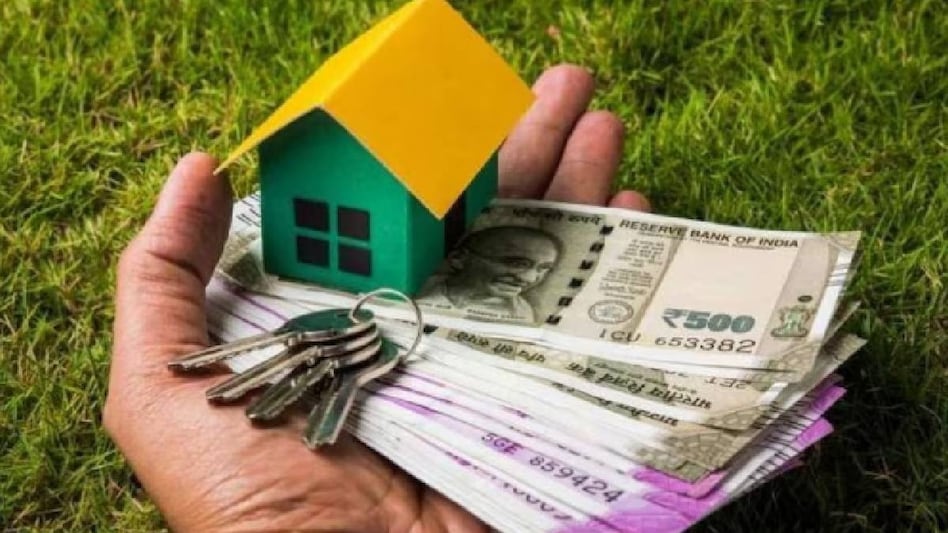
 Buyers are increasingly ignoring discounts offered by lesser-known developers, choosing brand trust, project execution and long-term liveability over headline pricing.
 For years, first-time homebuyers across India have been stuck in a familiar loop — waiting for a long-promised real estate “crash” before taking the plunge. But amid persistently high property prices and uneven growth across cities, financial experts warn that the strategy of waiting for a broad market correction may no longer hold up in 2026.
Chartered Accountant and financial educator Nitin Kaushik recently flagged this shift in a post on X (formerly Twitter), arguing that India’s real estate story is no longer about hype cycles or city-wide averages, but about micro-markets driven by infrastructure.

 Jio Platforms IPO: Price band announced at Rs 1,065-1,119; set to become India's biggest public issue
 Jio Platforms files RHP for IPO of up to 27 crore shares; issue to open on October 21
 IDBI Bank stake sale is the largest FDI deal till date; Centre, LIC to continue to remain invested
 'My satellites have been hovering for 5 years, I'm ahead of Musk in the queue,' says Sunil Bharti Mittal
 Henley Passport Index 2026: Indian passport climbs to 84th rank, visa-free countries falls to 55
 IMC 2026: The Biggest Tech Innovations You Need To See!
 What Is A Specialized Investment Fund (SIF)? SIF Vs Mutual Funds Explained
 This Week In Cinema: Jailer 2, Ranabaali, Prahaar, Nayyi Navelli & Street Fighter Hit Theatres
 India Inflation Shock: WPI Hits 11.39%, CPI At 5.54% As Crude Oil Touches $107 A Barrel
 Cabinet Approves IDBI Bank Stake Sale to Fairfax: Is the Stock Still a Buy?
 LTCG tax rollback: What investors want from Budget 2027 and will the government deliver?Jio Platforms IPO: Price band announced at Rs 1,065-1,119; set to become India's biggest public issueJio Platforms files RHP for IPO of up to 27 crore shares; issue to open on October 21
 Tata Tech Q2 profit rises 4% to Rs 171 crore; revenue jumps 28%
 Hyundai Motor India to invest up to Rs 11,000 crore in Pune plant
  From 'Kashmir Saffron' to 'Mithila Makhana': 15 GI-tagged food ingredients for your festive kitchen
 Women at the family office table: Why participation does not equal investment power
 Financial Horoscope Today, October 15, 2026: Aquarius Should Focus on Budget, Know the Status of Other SignsLTCG tax rollback: What investors want from Budget 2027 and will the government deliver?
 221-foot Ravana in Delhi: ₹40 lakh, 7 tonnes of iron, 120 artisans behind giant effigy












