


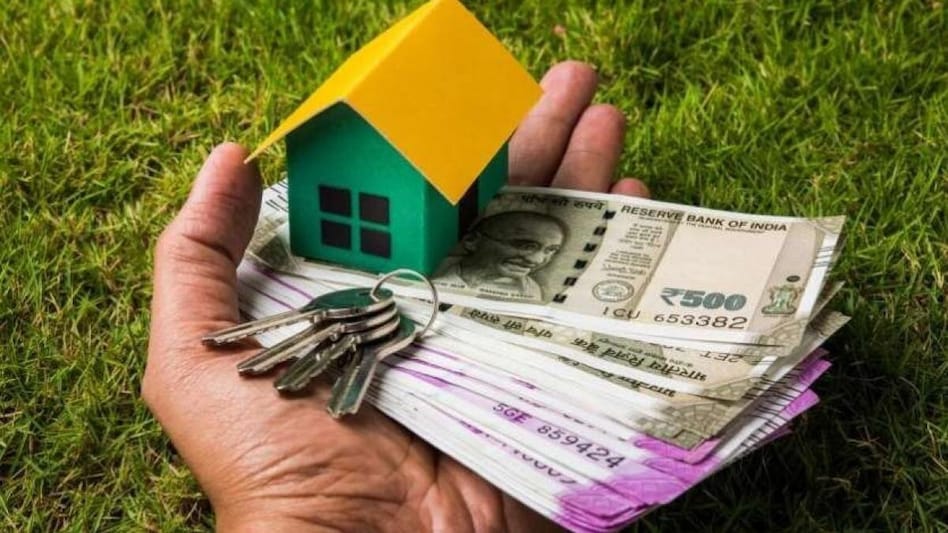
 Real estate in Union Budget 2026
 As India gears up for Union Budget 2026, the real estate sector is optimistic about potential reforms that could significantly benefit both homebuyers and the industry. Stakeholders are particularly eager for policies that address the challenges developers face while also catering to the evolving needs of buyers. With India's economy on a growth trajectory, interest in residential real estate as a long-term investment is rising among homebuyers. Yet, affordability continues to pose a significant hurdle for many. Therefore, a broader definition of affordable housing in urban areas is crucial; this will not only benefit homebuyers but also stimulate stronger demand from end users.

 ‘An Indian consumes 1/10th of an average American’: Amb Kwatra says energy security comes first
 Tata stock to buy: Nuvama bets on unique tech-telecom play, sees 28% upside
  NSE IPO, Hero Motors IPO, SS Retail IPO, Jindal Supreme IPO: GMP of four ongoing issues rises up to 32%
 UPI MDR: BharatPe distances itself from Ashneer Grover's remarks, says UPI to remain free for consumers
 IndiGo shares in focus as baggage, infant fee, priority boarding charges likely raised
 Corporate Health Insurance Vs Retail Policy: Why You Need Personal Health Cover Too
 How India Changed In 12 Years: PM Modi’s Journey From Economic Reforms To Viksit Bharat
 Modi @76: From Twitter To Instagram, How His Digital Outreach Has Evolved
 Stock Picks To Watch: Shibani Kurian Reveals Kotak AMC’s Market Bets
 Gold ETF vs Physical Gold: Know the Tax Rules, Charges and Key Differences
 Block deal effect: Bombay Burmah shares zoom 9%, Mcap crosses Rs 10,000 crore
  Yatharth Hospital shares jump 20% in two days; what's behind the surge?
 Veegaland Developers IPO shares make decent debut; stock lists at 10% premium on NSENSE IPO, Hero Motors IPO, SS Retail IPO, Jindal Supreme IPO: GMP of four ongoing issues rises up to 32%
 Tata Chemicals, Tata Investment shares drop up to 8%: Why Tata stocks are falling todayBlock deal effect: Bombay Burmah shares zoom 9%, Mcap crosses Rs 10,000 crore Yatharth Hospital shares jump 20% in two days; what's behind the surge?Veegaland Developers IPO shares make decent debut; stock lists at 10% premium on NSE
 What endures: The residential school in a changing worldUPI MDR: BharatPe distances itself from Ashneer Grover's remarks, says UPI to remain free for consumers












