


 The concessions pertain exclusively to Completely Built Units (CBUs) of passenger vehicles, including Internal Combustion Engine (ICE) vehicles and electric, hybrid, and hydrogen-powered vehicles.
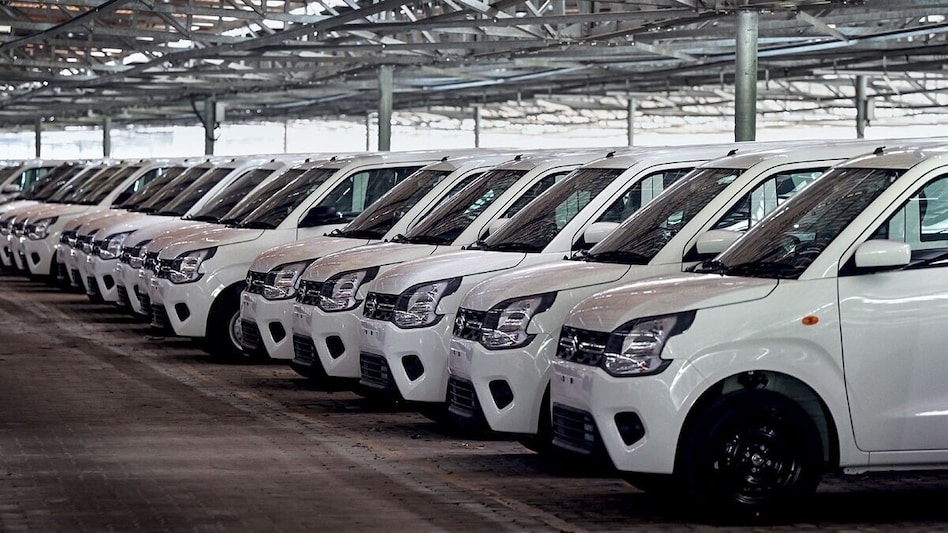
The potential reduction of the Goods and Services Tax (GST) on vehicles in India could lead to significant price cuts for small cars, according to a recent report by HSBC. The report suggests that if the GST rate for smaller cars is reduced from the current 28% to 18%, consumers may see a price decrease of approximately 8% on these vehicles. This proposal forms part of a broader recommendation to alter the tax structure affecting the automotive industry, aiming to stimulate demand and make cars more affordable for the general public.
Currently, the GST structure imposes a tax range of 29% to 50% on passenger vehicles, with an additional cess based on the vehicle size. While the report highlights an 8% potential price drop for small cars, larger cars might see a reduction of 3% to 5%. The report notes, "This would mean for smaller cars prices may come down by 8 per cent and for bigger cars in the range of 3-5 per cent." Such changes could make owning a car more accessible to a broader spectrum of consumers, thereby possibly boosting sales within the sector.

 India could raise ₹2 lakh crore through IPOs; 55% of FY27 proceeds already fresh capital: SEBI Chairman
 'I'll be here for 2.5 years': Trump warns Iran against waiting for midterms for a deal
 No prescription, no pills: Govt cracks whip on misuse of painkillers, antibiotics
 SEBI settles proceedings linked to Hindenburg report against 5 Adani firms for ₹1.51 crore
 'No positive response on 5-day banking': Bank unions to go ahead with 3-day strike
 IT Stocks Under Pressure: What Next For Indian Markets? | Chakri Lokapriya
 Karnataka’s Welfare Schemes Under Pressure As Finance Department Flags New Challenges
 Family Disputes Can Hold Businesses Back: Nirmala Sitharaman’s Message To Family Firms
 TRAI New Rules: Voice-SMS Only Plans Mandatory | What It Means For 20 Crore Non-Data Users
 Oil & Gas Capex Boom: Anshul Saigal Names Energy Stock He Owns | Saigal Capital Advisors
 Peshwa Wheat to raise ₹53.52 crore through IPO; funds to go towards expansionIndia could raise ₹2 lakh crore through IPOs; 55% of FY27 proceeds already fresh capital: SEBI Chairman
 Balmer Lawrie to demerge Travel & Vacations unit into wholly-owned subsidiary: Report
 Sansera Engineering shares rise 7%; Goldman Sachs raises target; sees further upside
 US-Iran talks today? Oil slips to $98 a barrel; will Sensex, Nifty rebound?
  'Stars shouldn't endorse harmful substances': President Murmu urges celebrities to act responsibly
 'Nobody asked, nobody cared': IIT Madras alumnus on 'caste system' he saw on campus in the '80s
 Nagaland's 'Angh' wins Toronto International Film Festival award, Becomes eligible for 2027 Oscars
 RBI revises InvIT, REIT valuation norms for all-India financial institutions; check new rules'I'll be here for 2.5 years': Trump warns Iran against waiting for midterms for a deal












