


 Market experts caution against expecting dramatic announcements, saying large personal income tax concessions this year appear unlikely.
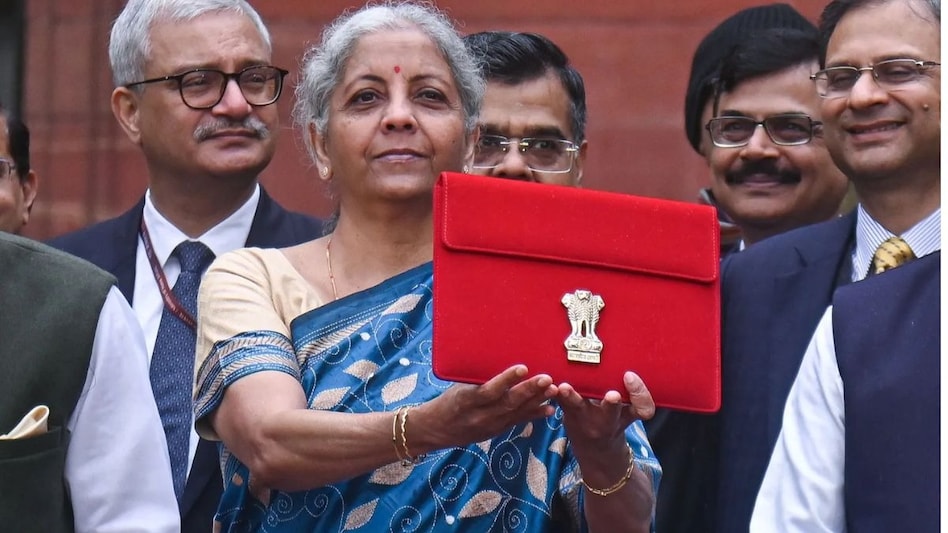
As Finance Minister Nirmala Sitharaman prepares to present the Union Budget for 2026–27 on February 1, expectations of tax relief have once again taken centre stage. For salaried employees, middle-class families, senior citizens and investors, the Budget remains a moment of hope, an opportunity for meaningful easing of the tax burden. This will be Sitharaman’s ninth consecutive Budget and the third full Budget of the Modi 3.0 government, adding to the significance of the announcement.
Much of the anticipation this year revolves around the new income tax regime. Over the past few Budgets, the government has delivered substantial changes -- rationalising tax slabs, simplifying compliance and introducing zero tax on income up to Rs 12.75 lakh for salaried taxpayers through a higher rebate and standard deduction. With these reforms already in place, taxpayers are now asking a more pointed question: is there room for further big-bang tax relief?
 How big is Apple Pay? US payment giant to enter India as UPI dominates digital payments
 Delhi airport gets its third runway operational; optimise aircraft movement
 Tata Sons crisis: Why the 1-1 split among Tata Trust nominees matters
 Disney taps Indian-origin former Character.AI CEO Karandeep Anand as its first CTO. Who is he?
 Strait of Hormuz crisis: Why the world’s energy system has not buckled yet - McKinsey explains
 CEA On India’s 7.8% Growth, Rural Incomes And Government’s Job Creation Push
  Gold Price Outlook: Why Dollar Weakness Could Keep Gold And Silver Prices Attractive Ahead
 Gold vs Silver Investment Strategy: Is This The Right Time To Buy For Long-Term Returns?
 Corporate Vs Personal Health Insurance: Which Is Better On A Budget?
 Gold Price Outlook: Why Gold Could Rise Despite Global Interest Rate Hikes | Silver Market Update
 Jindal Supreme, SS Retail, Hero Motors IPOs subscribed up to 181 times on final day; details here
 Sensex, Nifty post sixth weekly loss; TCS, Titan among top laggards, slip up to 4%
 How AI collapse could benefit Indian equity market; Jefferies' Christopher Wood explains
  Banks are no more secular growth story, prefer NBFCs: Chris Wood
 Jefferies' Christopher Wood sees gold at $10,000 'sooner or later'; likes India's small, midcaps
 US sanctions bill may threaten India’s textile exports; CITI calls for urgent government engagement
 AI spending is surging, but when does it create value? Morgan Stanley’s ROIIC lesson for India
 DUSU Election Results 2026: ABVP bags President, Secretary, Joint Secretary posts; Shokeen wins VPHow big is Apple Pay? US payment giant to enter India as UPI dominates digital payments
 West Asia crisis threatens energy supplies: Experts urge India to diversify oil, gas routes












