


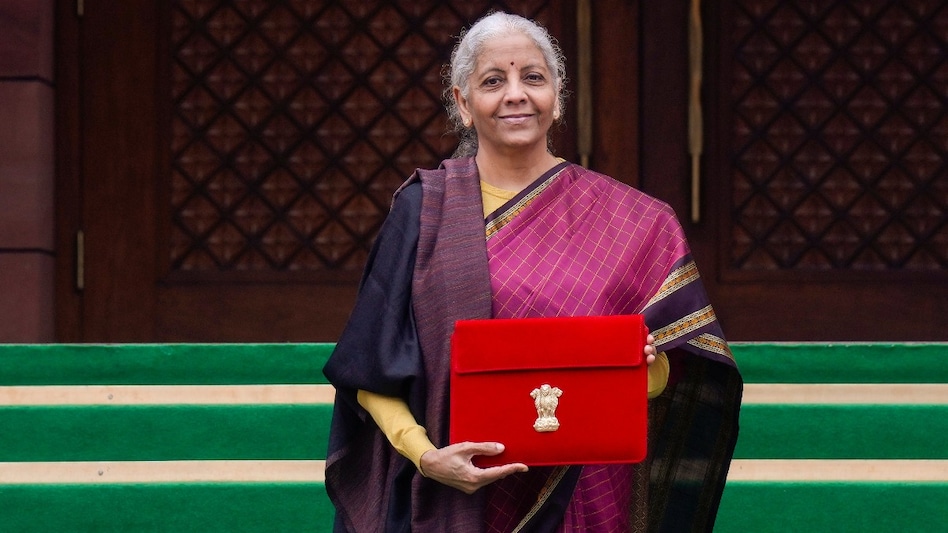
 Budget 2026
The Union Budget 2026 has emerged as one of India’s most technology-focused fiscal roadmaps yet, with Finance Minister Nirmala Sitharaman unveiling a sweeping set of measures aimed at accelerating artificial intelligence (AI) adoption, strengthening semiconductor manufacturing, deepening electronics localisation and expanding digital infrastructure.
Presented in Parliament on February 1, the Budget signals a strategic shift from digital adoption to digital leadership, positioning technology as a core driver of economic growth and India’s long-term development agenda.

 FII sentiment shows early signs of turnaround after months of selling: Report
 Apple job cuts 2026: iPhone maker slashes 200 jobs in Siri, Vision Pro immersive video, gaming teams
 'Last-minute changes unfair, uneconomic': US-Canada trade talks collapse as Trump readies 50% tariffs on Canadian products
 ₹24,800 crore bill: How transaction costs are eating into retail derivatives trading
 The $1.8 trillion space economy: Who will capture value as the final frontier goes commercial?
 Motor Insurance Explained: Is Third-Party Car Insurance Enough? Know Before You Buy
 Retirement Tax Planning: 5 Ways Senior Citizens Can Reduce Their Tax Liability
 #IndiaAt100 : Adipen Bose Nandhiji On Conscious Capitalism- Can Profit & Purpose Coexist?
 #IndiaAt100 : Hisashi Takeuchi On Driving India’s Manufacturing Revolution
 #IndiaAt100 : Manufacturing For Viksit Bharat | Can Industry Power India’s $30-Trillion Dream?
 FII sentiment shows early signs of turnaround after months of selling: Report₹24,800 crore bill: How transaction costs are eating into retail derivatives trading
 Cupid, NTPC Green, NTPC, Raymond Realty, HAL shares: Key technical levels to watch
 Defence stock with Rs 2,654-crore order book hits record high; here's why
  GACM Technologies: FII holding jumps to 29%; penny stock in focus
 ₹1.88 lakh champagne, 10,000 salt crusted red snapper: Inside Salman Khan's adopted sister Arpita Khan Sharma’s restaurant Mercii's menu FII sentiment shows early signs of turnaround after months of selling: Report'Last-minute changes unfair, uneconomic': US-Canada trade talks collapse as Trump readies 50% tariffs on Canadian products
 ‘I've been posted out before joining’: Tukaram Mundhe recalls his shortest tenure ever as an officerMotor Insurance Explained: Is Third-Party Car Insurance Enough? Know Before You Buy












