


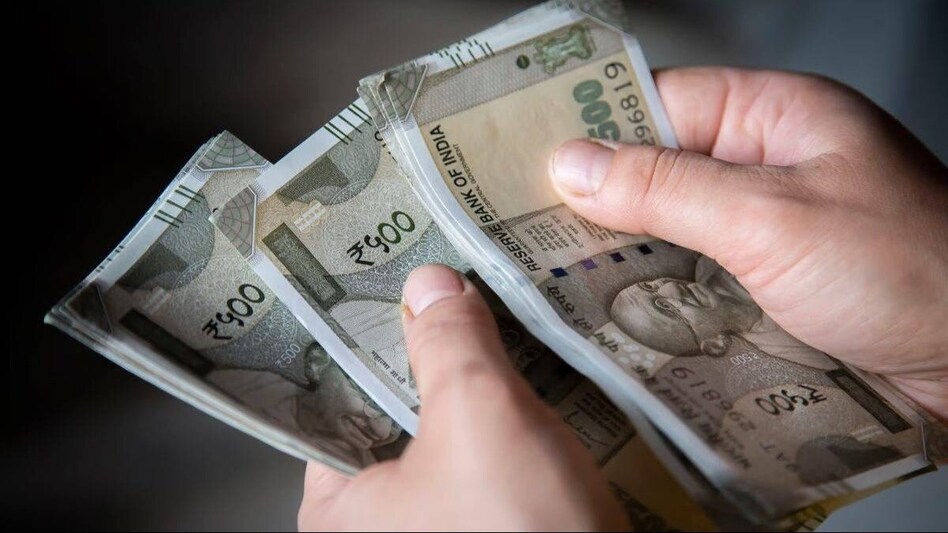
 Union Budget 2026: Though lesser-known, it is a crucial part of India’s budget process.
Budget 2026 | Union Finance Minister Nirmala Sitharaman’s presented her ninth consecutive Budget in the Parliament on February 1 2026. The Finance Minister emphasised that the government has consistently chosen reform over rhetoric and addressed global uncertainty.
The Union Budget may look final when it is passed by Parliament, but government spending does not always go exactly as planned. New priorities emerge, emergencies arise, and costs sometimes exceed estimates. This is where Supplementary Grants come in. They allow the government to seek Parliament’s approval for additional spending during the financial year. Though lesser-known, it is a crucial part of India’s budget process.

 'Perimeters of a deal have been agreed to': Trump says he cancelled planned Iran strike
 CBI books Anil Ambani, Reliance Capital in ₹1,816 crore EPFO case. Here's what happened
 Another attack in Hormuz: Tanker carrying Qatar LNG struck, blackout reported
 When the paycheck stops: Would your finances survive a job loss?
 Plane carrying tourists to Peru's famed Nazca Lines crashes, 13 killed
 Buying Term Insurance? Never Hide These Health Details Or Risk Your Claim Being Rejected
 India’s Logistics Game Is Changing: The Big Infra Push Explained
 Active Vs Passive Mutual Funds: Which Gives Better Returns For SIP Investors?
 IRFC CMD Manoj Kumar Dubey Reveals Top Funding Priorities Beyond Railways & IRFC 2.0 Vision
 "Mineral Security Is National Security": G Kishan Reddy On India’s Push For Aatmanirbharta
 Oswal Pumps shares to test Rs 290? Expert flags damaged chart structure, advises exit
 Mazagon Dock shares: Brokerages see up to 37% upside after Q1 FY27 results; check latest target prices
 Mukul Agrawal signals exit this multibagger stock after nearly 9x rall; is it still a buy?
 HUL shares: Why analyst prefers Marico, Nestle to the FMCG sector leader in short term
 Tata Steel, Vedanta among top metal bets for a six-month view, says analystBuying Term Insurance? Never Hide These Health Details Or Risk Your Claim Being Rejected
 From biometrics to GPS patrols: NTA bets on stronger security after NEET controversy with ₹7.5 crore tender
 'If you can't handle this, then resign': JPSC paper leak protest intensifies; students mount pressure on Hemant Soren
 Flipkart Freedom Sale: Deals on iPhone 17, iPhone 17 Pro, iPhone 17 Pro Max revealed: All details
 Gold, silver prices today (August 2): Check latest rates in Delhi, Mumbai, Kolkata, other cities










