


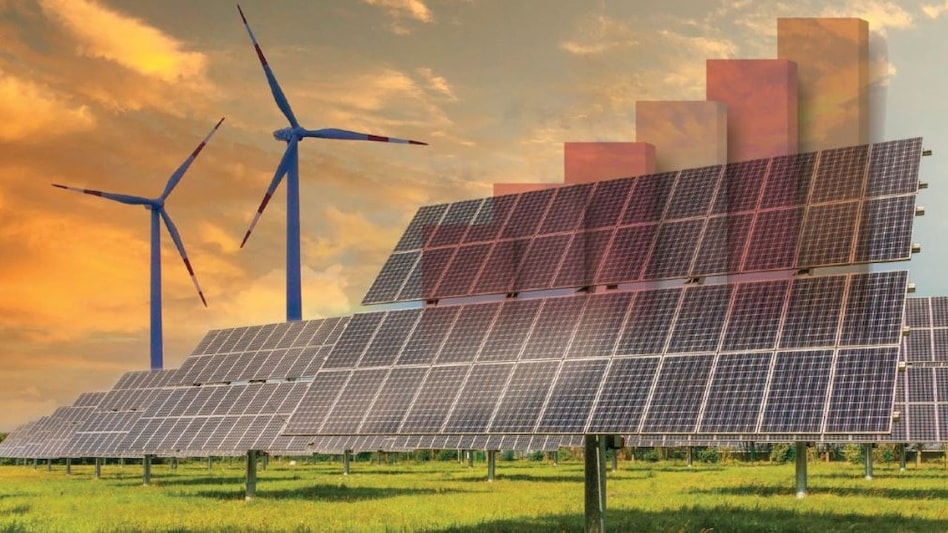
 Economic Survey flagged that the current largest structural driver of renewable energy curtailment in India is the mismatch between the deployment of renewable energy generation and associated transmission infrastructure
As India works towards achieving 500GW of power from non-fuel energy sources, the Economic Survey emphasised the importance of grounding energy transitions in baseload adequacy and system reliability to ensure secure and affordable power.
This comes at a time when a recent report by energy think tank Ember found that India curtailed 2.3 terawatt hours (TWh) of solar generation between late May and December 2025 to maintain grid stability compensation with payouts of about $63 million–$76 million to affected generators.
 Dope test for all pilots annually? Deliberations between DGCA, stakeholders underway
 Apple’s CEO transition begins: iPhone-maker holds farewell for Tim Cook ahead of John Ternus’ takeover
 Sugar prices set to ease? ISMA says panic buying caused spike, no actual shortage in India
 Canada to impose retaliatory tariffs on the US as trade talks collapse
 Bank unions strike: Around 8 lakh employees to agitate over 5-day working week, PLI scheme, pension issues
 “Frozen Is Not Bad”: Sanjeev Kapoor Busts Myths About Restaurant Food & Food Safety
 Market Masters | Aniruddha Sarkar On Top Sectors, Market Outlook & Where To Invest
 Daily Calls: Ask Your STOCK MARKET TODAY QUERIES | Market Update | Share Market News Today
 All About Debt Funds: Types Of Debt Funds & How To Invest | Mutual Fund Guide | Money Today
 “India Can Attract Global Space Talent Like A Magnet”: PM Modi To Startup CEOs
 TCS, Infosys, Wipro, HCLTech, TechM, Sonata Software, R Systems shares: Check ratings, outlook
 PFC, REC shares: Why Bernstein sees 37-41% upside for two Maharatna PSU stocks
 Suzlon share price: Stock in the red despite fresh order win; key details
 L&T shares rise after renewables business wins major Middle East battery storage order
 Shankesh Jewellers shares surprise investors on Dalal street listing, stock debuts at 11% premium
 US plans 7.5% ‘overcapacity’ tariff on Chinese goods, to take overall tariffs to about 20%Sugar prices set to ease? ISMA says panic buying caused spike, no actual shortage in India
 Amazon introduces a price hike for Kindle, Echo, and Fire TV devices by up to Rs 4,000
 vivo X500 series launching in September: X500, X500 Pro and Pro Max to debutTCS, Infosys, Wipro, HCLTech, TechM, Sonata Software, R Systems shares: Check ratings, outlook












