Follow live coverage of Union Budget 2026 here
The exemption applies to a set of high-cost cancer medicines commonly used in advanced and complex stages of the disease, including targeted therapies and biologic drugs that form a large part of a patient’s monthly treatment bill. Many of these medicines are imported and have limited domestic manufacturing alternatives.
Most of the cancer drugs covered under the exemption are manufactured by large multinational pharmaceutical companies based in the United States and Europe, including Roche, Novartis, Bristol Myers Squibb, Merck & Co and Johnson & Johnson. These medicines include targeted therapies, immunotherapies and cell- or gene-based treatments used in late-stage and difficult-to-treat cancers.
In India, such medicines are imported either directly by multinational subsidiaries or through authorised distributors and supplied to tertiary hospitals and specialised cancer centres. While Indian drugmakers are global leaders in generics and biosimilars, domestic production of complex oncology biologics and cell therapies remains limited due to high development costs, regulatory complexity and long development timelines.
Treatment costs remain steep. Industry and hospital estimates show that advanced cancer medicines can cost between ₹2 lakh and ₹10 lakh per month, depending on the therapy and indication, while some cell and gene therapies can cost several tens of lakhs of rupees for a single course. For many families, medicines form the single largest component of total cancer treatment expenses.
Basic customs duty tax on imported medicines, which can be as high as 10 per cent, adds directly to the price paid by hospitals and patients. By removing this tax, the government, in the Union Budget 2026–27, has ensured that these 17 cancer drugs will now cost less than before, providing immediate and direct financial relief to patients and families managing long-term treatment.
Cancer care in India continues to be largely financed through out-of-pocket spending. According to the Indian Council of Medical Research, India records more than 14 lakh new cancer cases every year, and high drug costs remain a major reason why treatment is delayed, interrupted or discontinued. Projections suggest cancer incidence could rise to nearly 20 lakh cases annually by 2040, increasing demand for advanced therapies.
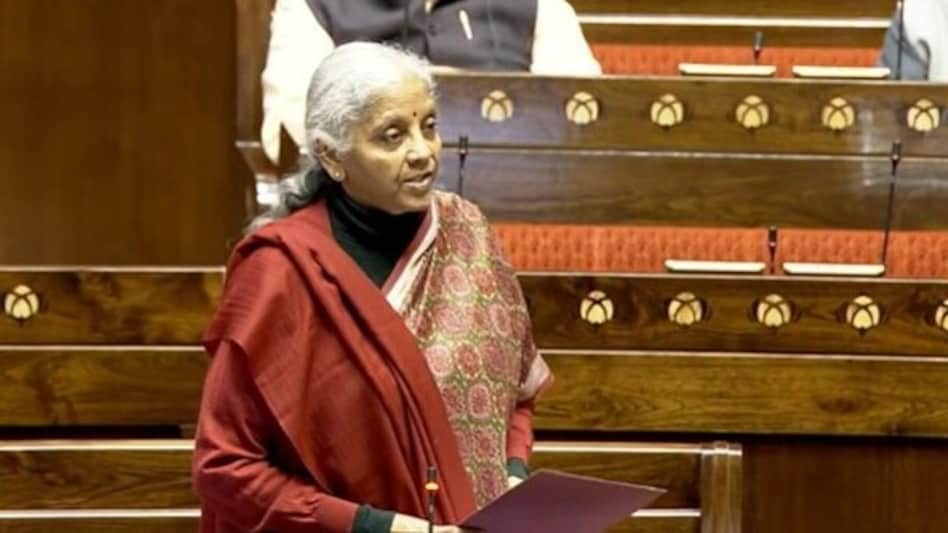
The Budget also widened customs duty relief for patients with rare diseases. “I also propose to add seven more rare diseases for the purposes of exempting import duties on personal imports of drugs, medicines and Food for Special Medical Purposes used in their treatment,” Sitharaman said.
Rare diseases are typically chronic, genetic or life-threatening conditions that affect a small number of people but often require lifelong treatment. Many patients depend on imported medicines or specialised nutritional products due to the absence of domestic manufacturing.
The seven additional rare diseases covered under the expanded exemption include Congenital Hyperinsulinemic Hypoglycemia, Familial Homozygous Hypercholesterolemia, Alpha Mannosidosis, Primary Hyperoxaluria, Cystinosis, Hereditary Angioedema and Primary Immune Deficiency Disorders, as notified by the government.
Government estimates suggest that more than 7 crore people in India live with one of the recognised rare diseases, with families frequently bearing the full cost of treatment due to limited insurance coverage and high import dependence.
The Union Budget 2026–27 builds on earlier measures taken by the government to ease access to life-saving medicines. In previous Budgets, including 2023–24, customs duty exemptions were extended to select cancer drugs, medical devices and treatments for rare diseases. The latest move expands the scope of that relief by covering a wider set of oncology medicines and additional rare disease conditions.
Industry leaders said the measure addresses both patient affordability and long-term healthcare priorities. “Recognising the rising burden of non-communicable diseases, particularly cancer, the Budget provides direct relief for patients by removing basic customs duty on 17 cancer drugs and extending duty exemptions to additional rare diseases,” said Satish Reddy, Chairman, Dr. Reddy’s Laboratories.
From a clinical perspective, Dr. Mandeep Singh Malhotra, Director – Surgical Oncology at CK Birla Hospital, Delhi, said, “High treatment costs often limit access to specialised therapies for patients with advanced and rare cancers. Removing the customs duty tax will help ease financial stress during prolonged treatment journeys and support better clinical outcomes.”
Highlighting the scale of the challenge, Dr. Ashish Joshi, Director, Co-founder and Medical Oncologist at M|O|C Cancer Care and Research Centre, said, “With India reporting over 14 lakh new cancer cases every year and incidence projected to rise further, lowering financial barriers to essential treatment is critical, particularly for patients dependent on imported therapies.”



 Rare diseases are typically chronic, genetic or life-threatening conditions that affect a small number of people but often require lifelong treatment.
 Navratri gift: Govt caps margins to 30% for 137 anti-cancer drugs; revised prices from Nov 9
 Regulatory outreach a priority: Incoming CEO Anup Bagchi maps operational plan for HDFC Bank
  YES Bank Q2 profit rises 65% to Rs 1,080 cr; proforma impact of restatement of AT-I bonds revealed
 Yes Bank examining in detail Supreme Court verdict on AT1 bonds: CEO
  FSSAI cracks down on FMCG giants Nestlé India and HUL over misleading labels, safety violations
 Gold Investment Options: ETFs, EGR And MCX Explained | How To Invest In Gold Beyond Physical Buying
 Redmi Note 17 Pro Max Review , Vivo V80, Vivo Vision | Tech Gear EP 20 | Business Today
 Mahindra XUV 3XO ZNG Review: Turbo Power Meets CNG Mileage
 Gold, Silver Prices: Limited Upside Ahead Of Diwali? Expert Sees Gold At ₹1.5 Lakh, Silver At ₹2.3
 Expert Names REITs And INVITs To Watch For Quarterly Payouts And Potential Investment Returns
 ICICI Bank Q2 results: Net profit jumps 20% to Rs 14,843 crore; NIM contracts
 IDBI Bank Q2 net profit falls 39% to Rs 2,205 crore on year-ago's one-off gain
  Axis Bank Q2 net profit surges 38% to Rs 7,003 crore; NIM at 3.36%; key details
 HDFC Bank Q2 results: Net profit rises 4.7% to Rs 19,510 crore; key highlights
 IPL 2027: Goa likely to host auction on December 16 as BCCI informs franchises












