


 Budget 2026-27: Understanding divestment and divestment targets offers a clearer lens to assess the Budget’s impact on markets and public sector reforms.
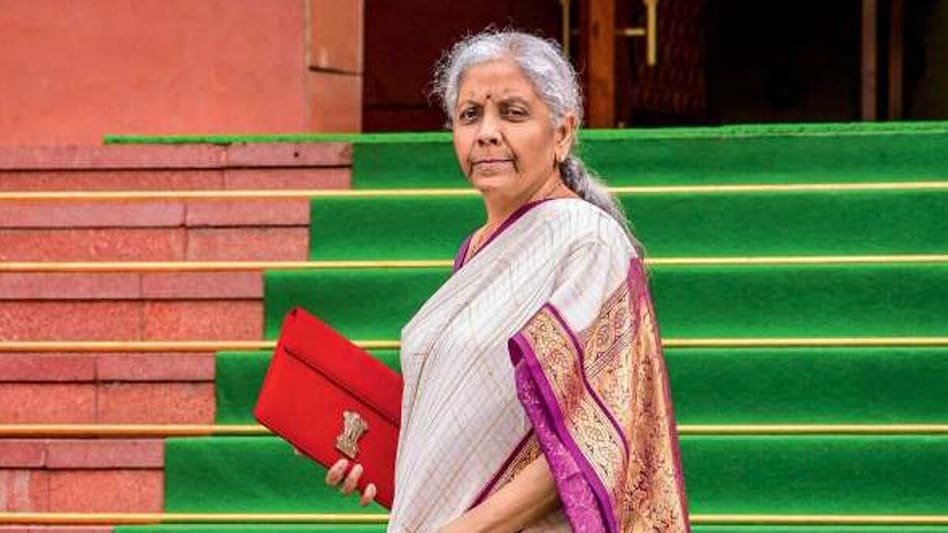
Budget 2026 | Union Finance Minister Nirmala Sitharaman’s presented her ninth consecutive Budget in the Parliament on February 1 2026. The Finance Minister emphasised that the government has consistently chosen reform over rhetoric and addressed global uncertainty.
In the Union Budget, divestment highlights a shift towards greater market participation. For businesses and investors, understanding divestment and divestment targets offers a clearer lens to assess the Budget’s impact on markets and public sector reforms.

 TCS to acquire Porsche’s IT consulting arm MHP for €320 million, signs five-year strategic deal
 Tata Sons board likely to meet on September 17, Chandrasekaran exit may take center stage
 'Our trade is growing again, thanks to PM Modi': Putin tells EAM Jaishankar
 Trade war escalates: Trump announces 50% tariffs on Canadian autos & steel from Jan 1
 Saudi attacked by Houthis, Turkey targeted by Israel: So what is the Mecca Pact doing?
 Market Masters | Aniruddha Sarkar On Top Sectors, Market Outlook & Where To Invest
 Daily Calls: Ask Your STOCK MARKET TODAY QUERIES | Market Update | Share Market News Today
 All About Debt Funds: Types Of Debt Funds & How To Invest | Mutual Fund Guide | Money Today
 “India Can Attract Global Space Talent Like A Magnet”: PM Modi To Startup CEOs
 CM Yogi Responds To Rahul Gandhi Over Manusmriti Remarks, India's Youth, And Heritage
 Tempsens Instruments IPO: Issue subscribed over 184 times on final day; check latest GMP
 Cupid's Aditya Kumar Halwasiya ups stake to 33.53%; buys 11 lakh shares
 Auto, auto ancillary stocks: Is it time to book profits? What Centrum's Nilesh Jain says
 This mid-cap metal stock zooms 15% on Rs 2,700 crore order announcement; do you own?
 RVNL shares a buy? Accumulate railway stock as valuations cool, says Kranthi Bathini
 FCNR(B) deposits: IDFC FIRST, IndusInd offer 6.75%; top PSU banks offer 6.60% as RBI forex window nears closure
 ₹5 lakh crore flexi-cap universe reveals wide risk gap: Here’s how 22 funds are positioned
 Gurugram issues work-from-home advisory for Tuesday following heavy rain and flooding
 Tarique Rahman's Bangladesh is returning to BNP's Islamist roots, warns Brahma Chellaney
 ‘The real life batman’: Rahul Gandhi posters featuring LoP & caped crusader put up near Congress HQ












