


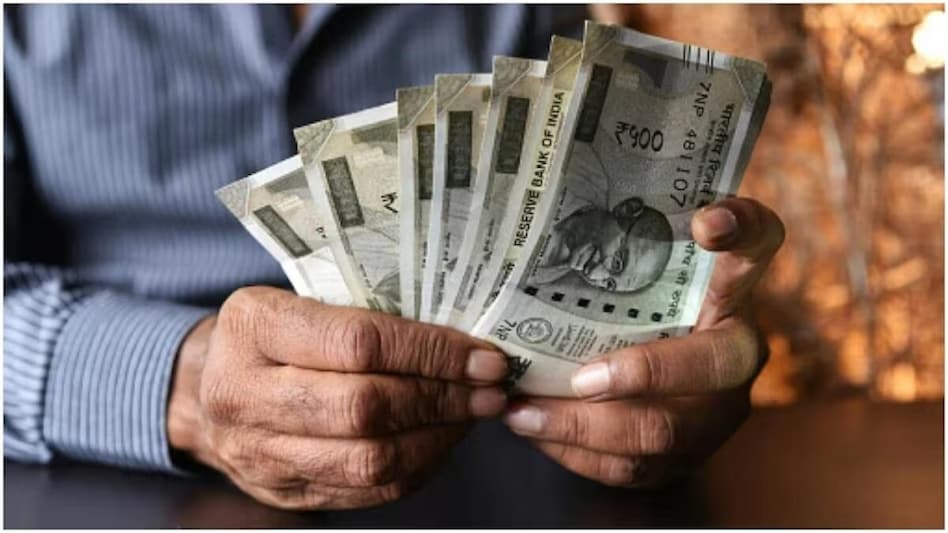
 Union budget 2026: From taxes to spending, a simple guide to understanding the revenue budget
Budget 2026 | Union Finance Minister Nirmala Sitharaman’s presented her ninth consecutive Budget in the Parliament on February 1 2026. The Finance Minister emphasised that the government has consistently chosen reform over rhetoric and addressed global uncertainty.
One of the most important, and often misunderstood, parts of the Budget comes into focus: the Revenue Budget. Simply put, the Revenue Budget captures how the government earns its regular income and how it spends that money to keep the system running.

 RBI's forex swap scheme pulls in record $143.6 billion till Sep 18
  Bank strike next week: Five-day disruption may hit your salary credits
 NSE IPO subscribed 5.7 times as QIBs lead demand; shares to list on BSE on September 24
 Indian Oil, HPCL, BPCL shares rise as brent crude prices fall for fourth day
  Tata Sons power struggle: Who will pay for the next legal battle?
 Burqa Ban In Italy? Meloni Pushes New Rules On Face Coverings
 Tata Trusts-Tata Sons Row: Harish Salve Explains RBI Rules, Singhvi Flags Shareholder Rights
 Top Legal Eagles Flock To Tata Sons & Tata Trusts As Boardroom Clash Heads To Court
 Over Next Three Years Company Expects To Invest ₹15,000 Cr For Deepwater Exploration
 Tata Sons Listing Row: Shapoor Mistry Backs IPO As Noel Tata Pushes ₹25,000-Crore Plan
 NSE IPO subscribed 5.7 times as QIBs lead demand; shares to list on BSE on September 24
 Brokerage sees 96% upside potential in this smallcap stock
 Dr. Reddy’s, Lupin shares among buzzing stocks as pharma sector back in focus
  3 Warren Buffett quotes for Indian stock market investors today
 Sensex jumps 564 points, Nifty tops 23,400; will this upmove sustain?
 'Faculty must be able to uphold exam integrity without fear': IIT Madras association on IIT Bombay case
 'Wrong to automatically fix guilt on upper castes; it's reverse casteism': Sudheendra Kulkarni on IIT Bombay case
 'Demand still being examined, refrain from strike': Finance Ministry urges bank employeesNSE IPO subscribed 5.7 times as QIBs lead demand; shares to list on BSE on September 24RBI's forex swap scheme pulls in record $143.6 billion till Sep 18












