


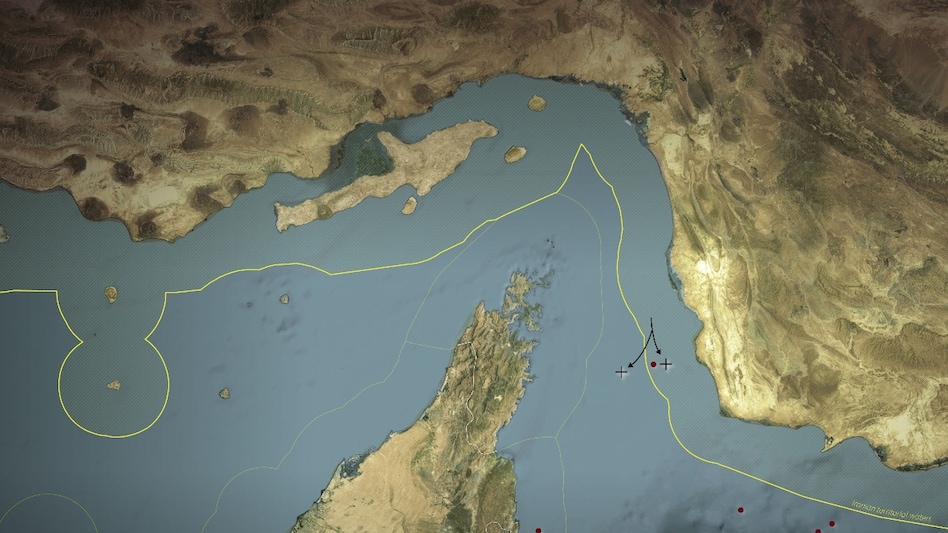
 Strait of Hormuz: China responds to US' call, says policing the waterway is not the answer
Strait of Hormuz disruption: China has called out the US for initiating the war on Iran and then asking for help from other nations to help secure the Strait of Hormuz. It said Trump’s attempted resolution of the Hormuz disruption, by asking other nations to send naval ships, is not the answer.
Trump had asked US allies, and named China, France, Japan, South Korea and the UK, to send warships to secure the Strait of Hormuz. “Crowding a volatile waterway with warships from multiple nations doesn't create security. It creates flashpoints. If any single vessel were struck, the consequences could rapidly spiral beyond anyone's control. This is less international cooperation ‘to keep the Strait open and safe’ and more a carefully structured transfer of risk,” read an opinion piece of Global Times, the mouthpiece of the Chinese government.

 BT Explainer: How the NCLT order in the Subhash Chandra case exposed gaps in personal guarantor cases and what could be done to improve outcomes
 HDFC Bank leadership shake-up: CEO Sashidhar Jagdishan to retire on Oct 26, will not seek reappointment
 GST Council set to meet on September 12; ITC norms, state revenues likely on agenda
 Multiple options exist post the deferment of Tata Sons' AGM, say legal experts
 From Apple to the Boardroom: Tim Cook’s leadership roles beyond Apple
 ITR Filing Deadline August 31: Key Rules For Freelancers, Content Creators & F&O Traders
 “Bengaluru Needs Metro, Not A ₹40,000-Crore Tunnel Road,” Says Tejasvi Surya
 Why Astra Microwave Could Benefit From Rising Defence Orders | Defence Sector In Focus
 Alienware 16 Area-51 Review: RTX 5080 Beast Or ₹3 Lakh Overkill?
 Hitachi Stock Doubles In 6 Months: Why It Became The Top Portfolio Performer Of 2026
 Jio Platforms IPO gets SEBI nod: Rs 27,500 crore debt repayment plan, $100 billion valuation in focus
 Closing Auction Session: Why the system expected to reduce volatility is still seeing occasional wild swings
 RIL-backed penny stock hits 52-week low; firm clarifies on high trading volume
 Happiest Minds shares slip despite IT stocks surge; here's what is weighing on the stock
 BEL, Solar Industries shares remain Nuvama's top defence picks; here's what it said on BDL, Data Patterns, HAL
 UAE NRIs: Should you keep your dollars abroad or move them into FCNR (B) deposits?ITR Filing Deadline August 31: Key Rules For Freelancers, Content Creators & F&O Traders
 'Do you feel you are a lord...': Bombay HC warns Tukaram Mundhe's FDA with contempt chargesFrom Apple to the Boardroom: Tim Cook’s leadership roles beyond Apple
 The AI jobs shock: Why reskilling could become unavoidable by 2030, says report












