

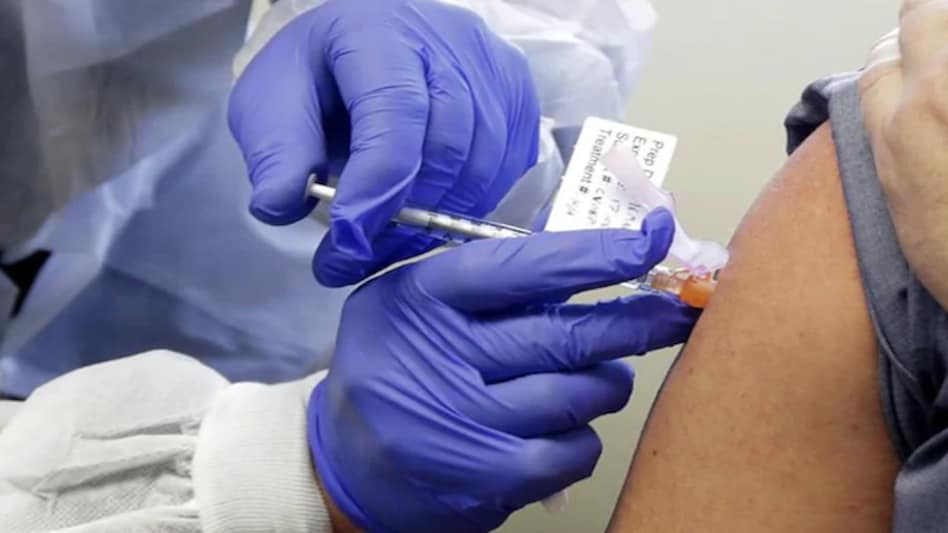
 Rich nations are hoarding COVID-19 vaccines, poor countries set to miss out, warns People's Vaccine Alliance
Rich nations are amassing doses of COVID-19 vaccines due to which people living in poor countries are set to miss out on jabs next year, campaigners have warned.
The People's Vaccine Alliance, a coalition that includes organisations such as Oxfam, Amnesty International, and Global Justice Now, has cautioned that nine out of 10 people in 70-low-income nations are unlikely to get vaccinated against COVID-19 in 2021 as rich countries have bought and hoarded far more doses than they need.
 Why Zerodha Fund House is bullish on life cycle funds
 Air India sacks Phuket-Delhi pilot after psychoactive substance test comes back positive
 BT Explainer: Why Volkswagen Group plans to axe 12% of its workforce in India
 NSE IPO update: SEBI approval likely next week; Check expected dates of price band and listing
 EPF interest after leaving job: Will your provident fund balance keep earning until 58?
 #DemocraticNewsroom | '800 Million People On Subsidies': Siddharth Zarabi On India’s K-Shaped Economy
 #DemocraticNewsroom | India Inflation Data: Are Official Numbers Hiding The Real Economic Picture?
 GDP Real Or Fudged? Siddharth Zarabi Defends India’s Growth Numbers With Data
 Financial Planning For Couples: How To Build A Strong Financial Plan, Budget & Wealth Together
 “High Sugar, Salt, Fat”: FSSAI CEO On Proposed Red Warning Labels On Food Packs
 56% rally in TBZ stock: Upper circuit led to record high today; here's why
  Sensex, Nifty snap four sessions of losing streak; RIL, Tata Steel, Bajaj Finance boost sentiment
  Physicswallah shares jump 9% as Motilal Oswal sees 66% upside
 KEC International: At 52-week low, Geojit expects more downside in infra stockNSE IPO update: SEBI approval likely next week; Check expected dates of price band and listing
 PM Modi congratulates ‘friend’ Meloni as she becomes Italy’s longest-serving PM
 Ex-IMF economist Surjit Bhalla backs 7.8% GDP number: 'No evidence of exaggeration'
 Trishuli Rescue: Stranded Nepal Residents Evacuated Across Rope Bridges After Floods
 Exclusive: Actor Sonu Sood Reaches Flood-Hit Nepal, Urges People To Step Up Relief Efforts
 Nainital: Shipra River Swells Near Kainchi Dham After Heavy Rain, Raising Flood Concerns












