


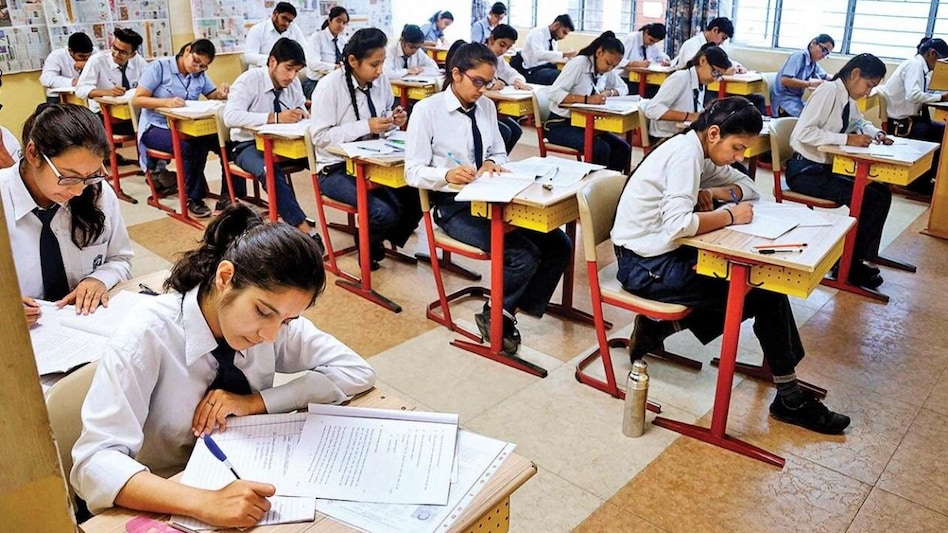
 Centre panel suggests capping coaching centre hours in a day, says report
A committee established by the Ministry of Education has proposed sweeping changes to India's high school education system, aiming to limit coaching centre hours and reduce student dependence on external tuition, said a report. The panel has recommended capping coaching classes at "2-3 hours per day", redesigning school curricula to align more closely with competitive entrance examinations, and increasing the weightage of board examination results in college admissions.
According to a report in The Indian Express, the proposals respond to concerns regarding the "psychological toll of competitive exams and the pressure to enrol in coaching from an early age". Members also want to see the introduction of career guidance starting in Class 8 and the possibility of competitive tests in Class 11, the report added.

 Jio Platforms IPO: Record Rs 2.5 lakh crore bids for anchor book, should you subscribe?
 India-US trade deal close to being final; complex set of factors involved: Marco Rubio
 IMF warns AI market correction could hit India, flags risks to IT and back-office sector
 Jio Platforms IPO: Deven Choksey sees double-return potential in 4-5 years
 Elon Musk promises free SpaceX shares to every child in America next year
 “No Shortages, No Dry Outs”: Hardeep Puri on India’s Energy Security Amid Global Turmoil
 Renault May Import Global Models Under FTAs If Demand Rises; Hybrids, CNG Have Strong Potential:
 Urban Company Stock Falls 8% | Deven Choksey Warns Against High Valuations
 A.I. Will Enable, Not Kill I.T. | Deven Choksey Sees AI-Led Opportunitiesit
 Banking Stocks Have Bottomed Out? Deven Choksey on HDFC, ICICI & Axis Bank
 Jio Platforms IPO: Record Rs 2.5 lakh crore bids for anchor book, should you subscribe?
 Market crash: Sensex tanks 1,100 points from day's high; here's why D-Street is in the red
  Tech Mahindra, ICICI Lombard, HDB Financial: Top stocks to turn ex-dividend this week
 Zerodha launches US stock investing in beta mode: All you need to know
  HFCL Q2 earnings: Net profit rises five times, shares hit upper circuit Jio Platforms IPO: Record Rs 2.5 lakh crore bids for anchor book, should you subscribe?
 ‘First of many’: Elon Musk promises SpaceX shares to every US child. What will the giveaway cost?
 Ferrari to open showrooms in Ahmedabad, Chennai
 Going to France amid protests? Here’s what Indian tourists should do if they get caught in the unrest
 Gill’s costly preparation: India captain to fund 4-5 net bowlers for New Zealand tour












