










 Aggarwal also said that for India to become a global EV hub, four things are required.
  Aggarwal also said that for India to become a global EV hub, four things are required.
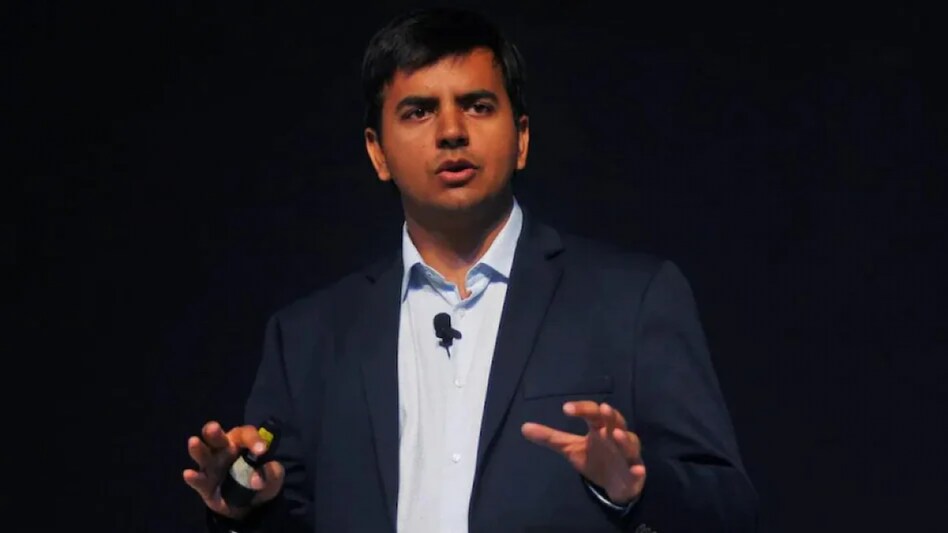
 The year 2022 will be remembered as the one when India’s electric vehicles (EV) revolution truly took off, Ola boss Bhavish Aggarwal, claimed in a blog on Wednesday. He also added that Ola Electric saw a 20x growth in 2022 as the number of two-wheeler EVs manufactured by the company reached 80,000 units towards the end the year from 4,000 units in June 2021.
Ola became the largest seller of e-scooters this year after it breached the 20,000-mark in October and November, according to the Vahan portal.
He also said that several cities such as Bengaluru, Pune and Surat have an EV penetration of over 20 per cent.
“While so much has been achieved in just a year, this is only the beginning. A much bigger opportunity lies ahead,” Aggarwal wrote. He said that the time has come for India to build world class products and become a market leader.
Aggarwal also said that for India to become a global EV hub, four things are required. These include building world-class aspirational products, investing in R&D and building the core technology, building local supply chains in new materials and components, and finally, attracting the best talent in the world.
He said that in just 15 months, they have managed to sell about 1.5 lakh EV units and are determinedly working towards ‘Mission Electric’, a project that entails “all 2W sold in India by the end of 2025 to be electric, and all cars sold in India by 2030 to be electric.”
Making Mission Electric a reality!
The Founder and CEO of Ola Electric also charted out his strategy to make Mission Electric a reality. He said that they will focus on product diversification and global scale manufacturing. “Once all of India’s 20mn 2Ws are electrified, India will become the third largest market for EVs in the world (measured by GWh consumed – 100GWh), behind only US and China. This foundation of 2Ws will be a strong competitive advantage as we move into electrifying 4Ws,” he wrote.
The second is vertical integration into cell technologies and localizing relevant supply chains.
“In 2023, we will commission our cell manufacturing plant with a 5GWh capacity by the end of year with an ambition to install 100GWh over the course of this decade. Our own technology and a localised supply chain gives us a strong competitive advantage over other global and Indian companies,” Aggarwal elaborated.
The third and last point was to focus on global distribution by leveraging the first two points.
“We are committed to this mission and to leading the way. We will do whatever it takes to achieve this!” he concluded.
 World Bank sees India growth at 6.6% in FY27, flags inflation risk from energy prices
 Hormuz traffic crawls back, but Iran-linked ships dominate key oil route
 'There will be no exemptions': Trump threatens 50% tariffs on country supplying military weapons to Iran
 $1 per barrel in crypto: Iran's plan to charge ships crossing Strait of Hormuz; How it'll work
 PPFAS AMC gets PFRDA nod to manage NPS funds, expands into retirement segment
 Iran- U.S. Ceasefire Twist: China’s Hidden Role, Pakistan’s Big Slip
 U.S.- Iran Ceasefire Deal: Peace Breakthrough Or Tactical Pause?
 U.S.-Iran Ceasefire Boosts Markets | Sensex Soars, Oil Prices Crash
 “No LPG Shortage In India”: Govt Cracks Down On Black Marketing, Seizes 56,000 Cylinders In Big
 ₹26,000 Cr Kamala Hydro Project Approved | Big Boost For Northeast Power
 Sensex, Nifty outlook for tomorrow: Stock market strategy; resistance, support levels
 DCB Bank shares jump 7%; expert says management has 'HDFC Bank-like pedigree'
 Rs 90,000 crore deployed in markets by mutual funds in March, says Shweta Rajani
 Suzlon, Tata Power, Adani Power, Adani Green, NPTC, Inox Wind: Q4 preview, target prices
 HDFC, ICICI, SBI, Kotak Bank among 23 BFSI stocks to ‘Buy’ - Target prices