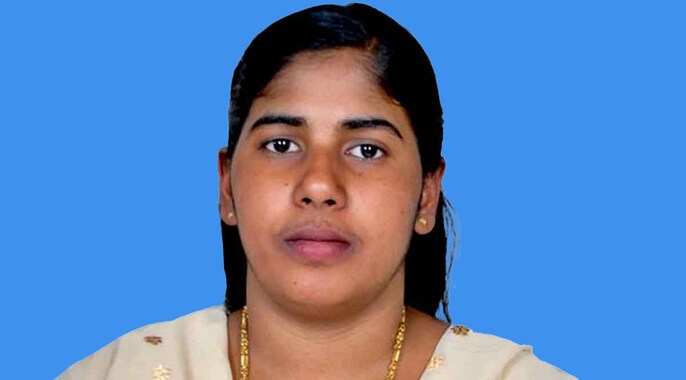
Nimisha Priya, born 1988/89 in Kollengode, Kerala, moved to Sana’a in 2008 as a young nurse seeking better opportunities.

By 2015, she had launched her own clinic—only to be betrayed by her business partner, who allegedly seized control, withheld income, and abused her.

Her passport was confiscated, trapping her in Yemen and leaving her with no means to escape an increasingly dangerous situation.

In July 2017, desperate to flee, Nimisha tried to sedate her partner—accidentally administering a fatal dose that led to his death.

In a state of panic, Nimisha and a colleague dismembered and disposed of the body in a water tank—but were arrested shortly after.

In 2020, a Yemeni court sentenced her to death. Appeals failed and, in November 2023, the Supreme Council upheld the verdict.

By mid-2025, Yemen’s president approved execution—Nimisha is now in Houthi-controlled Sana’a, awaiting her fate.

India has tried to negotiate a “blood money” settlement (diyat) under Yemeni law, but as of July 2025, no breakthrough has been reached.

From a hopeful nurse to death row convict, Nimisha’s story exposes cultural pitfalls and legal helplessness faced by working migrant women.
 CEA On India’s Manufacturing Rise, Atmanirbhar Bharat And Modi’s Economic Policy
 Health Insurance Buying Guide: 7 Things First-Time Buyers Must Check Before Choosing A Policy
 CEA On India’s 7.8% Growth, Rural Incomes And Government’s Job Creation Push
  Gold Price Outlook: Why Dollar Weakness Could Keep Gold And Silver Prices Attractive Ahead
 Gold vs Silver Investment Strategy: Is This The Right Time To Buy For Long-Term Returns?