


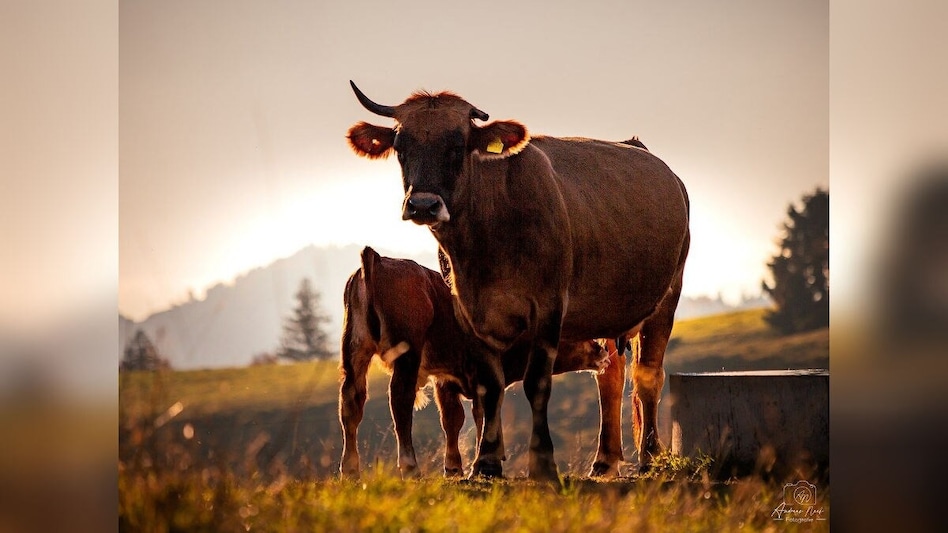
 The city also operates 130 CCTV-enabled junctions that constantly capture images of stray cattle for monitoring purposes.
In a tech-driven push to address traffic disruptions and public safety concerns caused by stray cattle, the Gujarat government has launched an Artificial Intelligence (AI)-based pilot project in Ahmedabad. The move comes as part of a broader strategy to integrate cutting-edge technologies into state governance, following the establishment of the AI Centre of Excellence in Gandhinagar under Chief Minister Bhupendra Patel's leadership.
Stray cows are a familiar sight across Ahmedabad’s roads, often bringing traffic to a halt and contributing to road accidents. Currently, municipal teams rely on CCTV footage, microchips, and RFID tags to identify and track cattle. However, the process is manual and time-consuming.
 Trump made 1,000-plus trades in June: Here's what he bought and sold
 ‘F&O trading is bad for almost 99% of retail traders’: Nikhil Kamath draws ITC parallel, says brokers need to diversify
 NDA explores holding joint polls in 22 states, UTs in 2029: Report
 'IAF is not against theaterisation': Air Force chief AP Singh cautions against copying foreign models
 ABH Healthcare IPO: Check key dates, price band, issue size, latest GMP, listing details & more
 Motor Insurance Add-Ons You Actually Need Explained: Zero Depreciation, RSA & Return-To-Invoice
 No Claim Bonus Explained: When Should You Claim Or Pay For Repairs Yourself?
 Motor Insurance Premium: What Factors Determine How Much You Pay?
 How Is Retirement Income Taxed For Senior Citizens? Key Rules Explained
 Rental Income Tax: 3 Key Deductions Every Senior Citizen and Property Owner Should Know
 Trump made 1,000-plus trades in June: Here's what he bought and soldABH Healthcare IPO: Check key dates, price band, issue size, latest GMP, listing details & more
 India stocks lag global markets in 2026: BofA data shows 9.1% decline in USD terms
 'FOMO, fixed return': SEBI proposes revamped ad code for bond portals from misleading investors
 Crompton Greaves says no plan to sell stake, expects revenue to double by FY31
 12,000 students, 80 seats: IIM Bangalore’s first UG programmes see huge demand; check courses, campus & what students getTrump made 1,000-plus trades in June: Here's what he bought and sold
 From Buddhist monk at 16 to Meta engineer : How 30-year-old Lilly Chen built a $25 million startup to challenge AccentureMotor Insurance Add-Ons You Actually Need Explained: Zero Depreciation, RSA & Return-To-Invoice‘F&O trading is bad for almost 99% of retail traders’: Nikhil Kamath draws ITC parallel, says brokers need to diversify












