


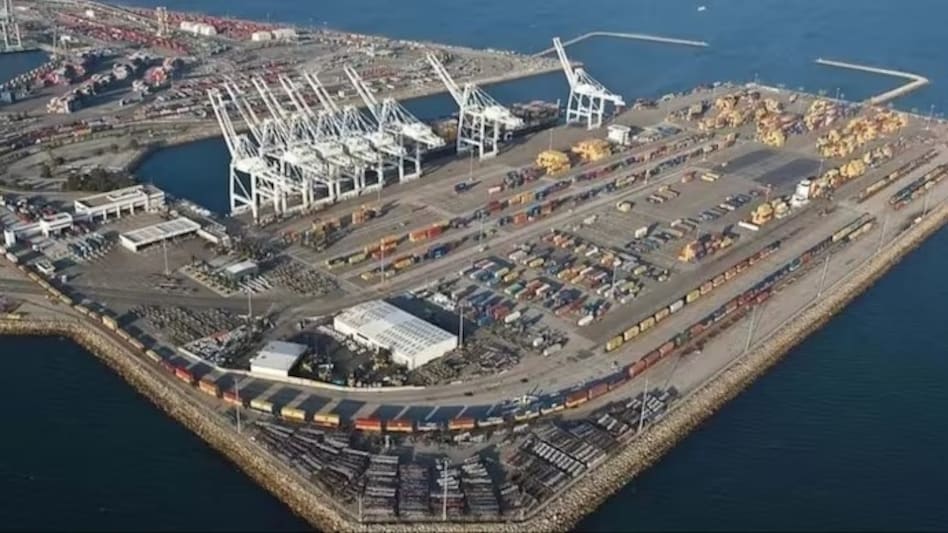
 The Chabahar Port is central to New Delhi's connectivity ambitions.
India is exploring multiple options to retain its presence at the strategic Chabahar Port amid rising US pressure on Tehran. The Chabahar Port is central to New Delhi's connectivity ambitions.
A six-month exemption from US sanctions on the strategic facility is valid till April 26 this year. The government has taken several steps to reduce the exposure of state-run entities and officials to the US sanctions on the Chabahar Port, Hindustan Times reported.
 CAS case: JPMorgan unit likely to argue Sebi breach was technical, says report
 $1 now costs 2 million rial: Iran's currency hits historic low amid fresh US sanctions
 Skyways Air IPO: Tech, global diversification to drive growth; debt reduction a key focus, says CMD
 RVNL shares a buy? Accumulate railway stock as valuations cool, says Kranthi Bathini
 Auto, auto ancillary stocks: Is it time to book profits? What Centrum's Nilesh Jain says
 Market Masters | Aniruddha Sarkar On Top Sectors, Market Outlook & Where To Invest
 Daily Calls: Ask Your STOCK MARKET TODAY QUERIES | Market Update | Share Market News Today
 All About Debt Funds: Types Of Debt Funds & How To Invest | Mutual Fund Guide | Money Today
 “India Can Attract Global Space Talent Like A Magnet”: PM Modi To Startup CEOs
 CM Yogi Responds To Rahul Gandhi Over Manusmriti Remarks, India's Youth, And Heritage
 Tempsens Instruments IPO: Issue subscribed over 184 times on final day; check latest GMP
 Cupid's Aditya Kumar Halwasiya ups stake to 33.53%; buys 11 lakh sharesAuto, auto ancillary stocks: Is it time to book profits? What Centrum's Nilesh Jain says
 This mid-cap metal stock zooms 15% on Rs 2,700 crore order announcement; do you own?RVNL shares a buy? Accumulate railway stock as valuations cool, says Kranthi BathiniTempsens Instruments IPO: Issue subscribed over 184 times on final day; check latest GMP
 Adani Funding Row: Rahul Gandhi, D.K. Shivakumar Clash Over Gautam Adani Meeting
 New Age Trains!: India’s Jaw-Dropping Rail Revolution On Full Display | Watch
 “Sugar Supply Is A Concern”: Pralhad Joshi On Prices, Imports And Festival Demand
 “Parandur Airport Plan Will Be Dropped”: Vijay Backs Farmers, Promises Alternative Site












