














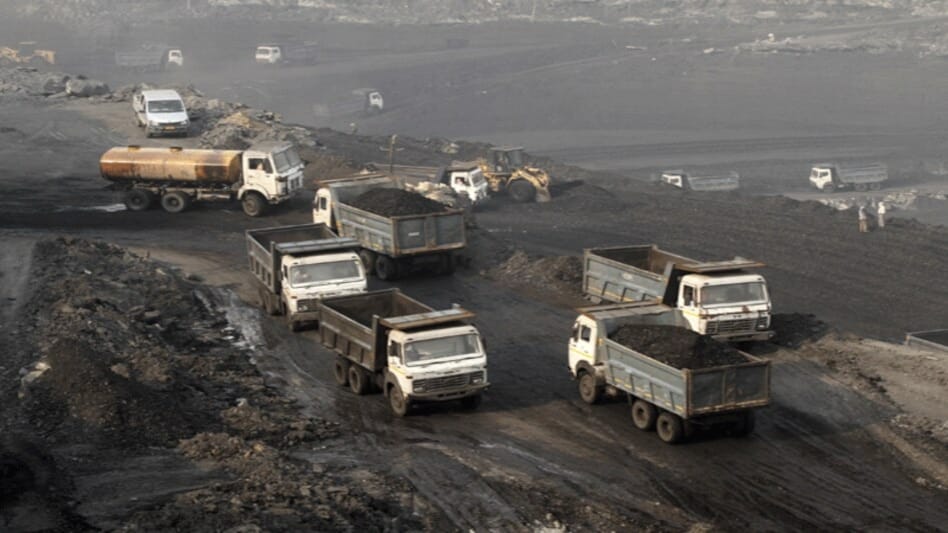
 Beyond the balance sheet, gasification experts say will offers a cleaner alternative to traditional coal burning.
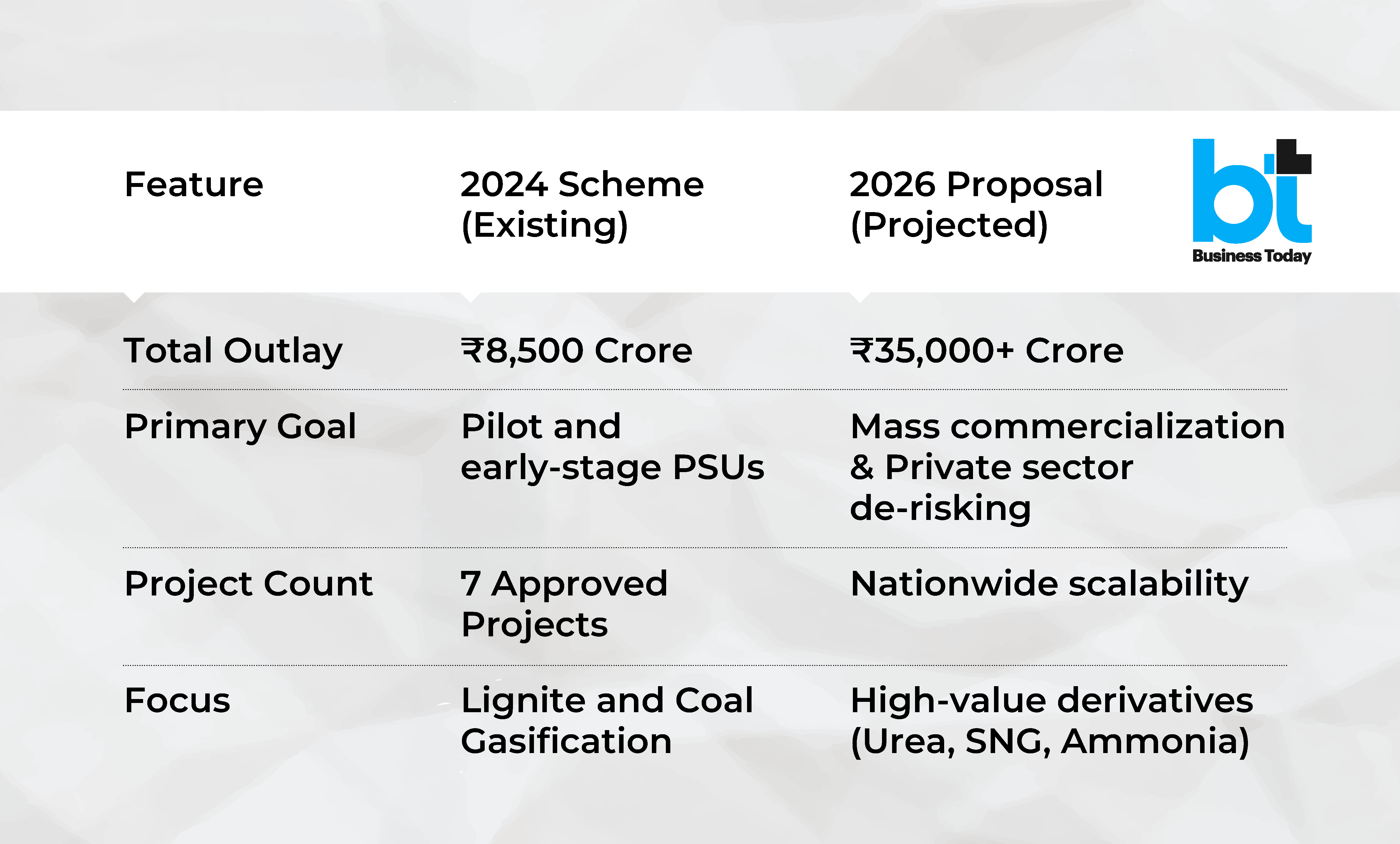
In a major move to transform India's energy landscape, sources tell Business Today that the Ministry of Coal is set to propose a staggering ₹35,000+ crore incentive package for coal gasification projects ahead of the upcoming Union Budget 2026. This proposal represents a significant fourfold jump from the existing ₹8,500 crore corpus.
''The primary objective is to de-risk high-capital investments for both Public Sector Undertakings (PSUs) and private players, ensuring the commercial viability of clean coal technologies,'' a source familiar with the matter told Business Today.
 Bessent's big reveal: 'I asked Europe to impose secondary tariffs on India, but they refused'
 'Close your borders before it's too late': Trump sounds alarm as France erupts in violence
 New Noida to become UP's next manufacturing hub: Land acquisition begins in 37 villages
 'Deport those who refuse to integrate': Milind Deora's warning as France burns
 Firing at Tiger Shroff's car in Mumbai's Juhu; Lawrence Bishnoi gang claims responsibility
 Gold Vs Silver: Which Could Deliver Better Returns Over The Next 3–5 Years? Expert Shares Targets
 Gold, Silver ETF Purchases Halted: Why Mutual Funds Have Restricted Fresh Investments Before Diwali
 SIR Explained: Forms 6, 7 And 8—What Voters Must Know | Akshita Nandagopal Explains
 Gold Investment Options: ETFs, EGR And MCX Explained | How To Invest In Gold Beyond Physical Buying
 Redmi Note 17 Pro Max Review , Vivo V80, Vivo Vision | Tech Gear EP 20 | Business Today
 Markets Next Week: Jio Platforms IPO, high crude oil prices and Q2 earnings in focus
 10 investing mistakes retail investors should avoid, from overpaying to panic selling
 YES Bank Q2 profit rises 65% to Rs 1,080 cr; proforma impact of restatement of AT-I bonds revealed
 ICICI Bank Q2 results: Net profit jumps 20% to Rs 14,843 crore; NIM contracts
 IDBI Bank Q2 net profit falls 39% to Rs 2,205 crore on year-ago's one-off gain Bessent's big reveal: 'I asked Europe to impose secondary tariffs on India, but they refused'Firing at Tiger Shroff's car in Mumbai's Juhu; Lawrence Bishnoi gang claims responsibility
 'Take shelter, don't film attacks': India's fresh advisory for citizens in Saudi Arabia amid rising tensions'Close your borders before it's too late': Trump sounds alarm as France erupts in violence'Deport those who refuse to integrate': Milind Deora's warning as France burns


