


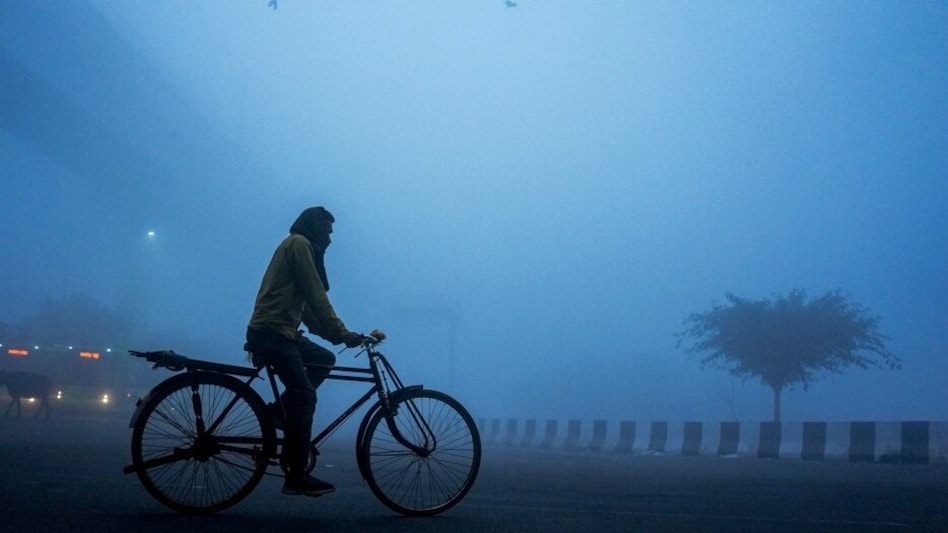
 Low visibility and cold mark January 2 in Delhi-NCR as air pollution spikes
Delhi-NCR began the second day of 2026 under a thick blanket of fog and smog, with visibility dropping sharply across several areas on Friday morning. After light rain on New Year’s Day, the region woke up to hazy skies, partly cloudy conditions and a noticeable chill, setting an uneasy tone for the early days of January.
Temperatures are expected to dip further on January 2. On Thursday, the minimum temperature stood at 10.6 degrees Celsius, while the maximum reached 17.3 degrees Celsius. On Friday, the mercury is likely to fall to around eight degrees Celsius at the lower end, with the maximum expected to hover near 16 degrees.

 NSE IPO: India's largest exchange gets 5.69x subscription on Day 3; all categories fully booked
 Indian Oil, HPCL, BPCL shares rise as brent crude prices fall for fourth day
  Bank strike next week: Five-day disruption may hit your salary credits
 Tata Sons power struggle: Who will pay for the next legal battle?
 Semiconductor stocks: Centrum's Nilesh Jain prefers CG Power, Syrma SGS; cautious on Kaynes, Dixon
 Tata Trusts-Tata Sons Row: Harish Salve Explains RBI Rules, Singhvi Flags Shareholder Rights
 Top Legal Eagles Flock To Tata Sons & Tata Trusts As Boardroom Clash Heads To Court
 Over Next Three Years Company Expects To Invest ₹15,000 Cr For Deepwater Exploration
 Tata Sons Listing Row: Shapoor Mistry Backs IPO As Noel Tata Pushes ₹25,000-Crore Plan
 Takeda, Dr. Reddy’spartner To Bring QDENGA Dengue Vaccine To India; Launch Expected In H1 2027
 Brokerage sees 96% upside potential in this smallcap stock
 Dr. Reddy’s, Lupin shares among buzzing stocks as pharma sector back in focus
  3 Warren Buffett quotes for Indian stock market investors today
 Sensex jumps 564 points, Nifty tops 23,400; will this upmove sustain?
 Warren Buffett's message to shareholders: Full text of the farewell letter
  Buying a Kia before September 30? Check Carnival, Clavis, Sonet and Syros offer details before payingTata Trusts-Tata Sons Row: Harish Salve Explains RBI Rules, Singhvi Flags Shareholder RightsBrokerage sees 96% upside potential in this smallcap stock
 Petrol for highways, battery for daily commutes: What Indian families should know about the upcoming BYD Seal U
 Buying a phone under ₹1 lakh for reels and YouTube? These five models offer the strongest video specifications












