


 Among the key demands is a clear tax clarification on depreciation treatment of road assets, which continue to be a major source of disputes between developers and tax authorities.
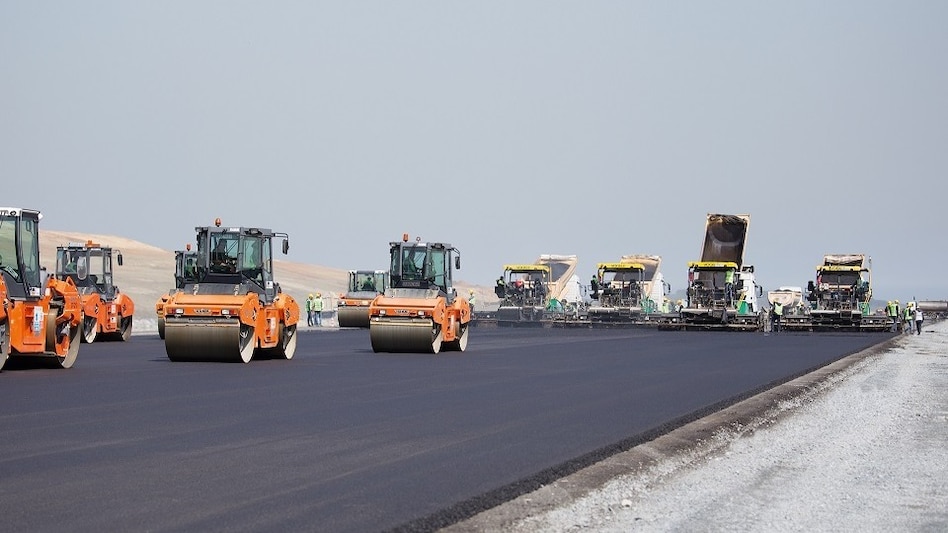
 Highway developers and infrastructure companies have urged the government to address long-pending tax ambiguities and compliance bottlenecks in the upcoming Union Budget 2025–26, seeking measures that could ease cash flows, reduce litigation and support the government’s infrastructure monetisation push, sources told Business Today.
Among the key demands is a clear tax clarification on depreciation treatment of road assets, which continue to be a major source of disputes between developers and tax authorities. Industry executives argue that roads, operated under concession agreements, should be unequivocally treated as intangible assets eligible for depreciation, a move that could significantly impact project profitability and balance sheets.

 Global tax rules being rewritten, BRICS must have greater say: Finance Minister Nirmala Sitharaman
 No petrol, diesel price hike proposal yet; govt may support OMCs if crude stays high
 Why can’t India just stop buying Russian crude oil? FM Nirmala Sitharaman explains
 Whirlpool of India shares jump 20% today; here's what analysts say
 BT Big Story: Why India Inc is warming up to non-English-speaking executives
  iPhone 18 Pro Sale Rush! What Indian Buyers Really Think | Tech & You
 NSE Shares Listing Soon! What Should Be Your Portfolio Allocation & Investment View?
 Biggest IPO Rush Since 1996: ₹38,785 Crore Raised! What Should Retail Investors Do Now?
 Crude Oil Drops, Nifty Recovers! Is It The Right Time To Buy Indian Large Caps?
 Adroit Industries IPO: Price Band, Risks, And Should You Apply For Listing Gains?
 Airtel Money IPO: London listing plans, $8-9 billion valuation, $800 million issue and key details
 NSE shares admitted for trading on Metropolitan Stock ExchangeWhirlpool of India shares jump 20% today; here's what analysts say
 IRCTC, Ixigo, RateGain, TBO Tek: Top travel stocks to buy; check fresh targets, ratings and more
  SP Group seeks funds for Rs 3,500 crore debt payment amid Tata Sons IPO uncertainty: ReportAirtel Money IPO: London listing plans, $8-9 billion valuation, $800 million issue and key detailsNSE shares admitted for trading on Metropolitan Stock ExchangeNo petrol, diesel price hike proposal yet; govt may support OMCs if crude stays highWhy can’t India just stop buying Russian crude oil? FM Nirmala Sitharaman explainsWhirlpool of India shares jump 20% today; here's what analysts say












