


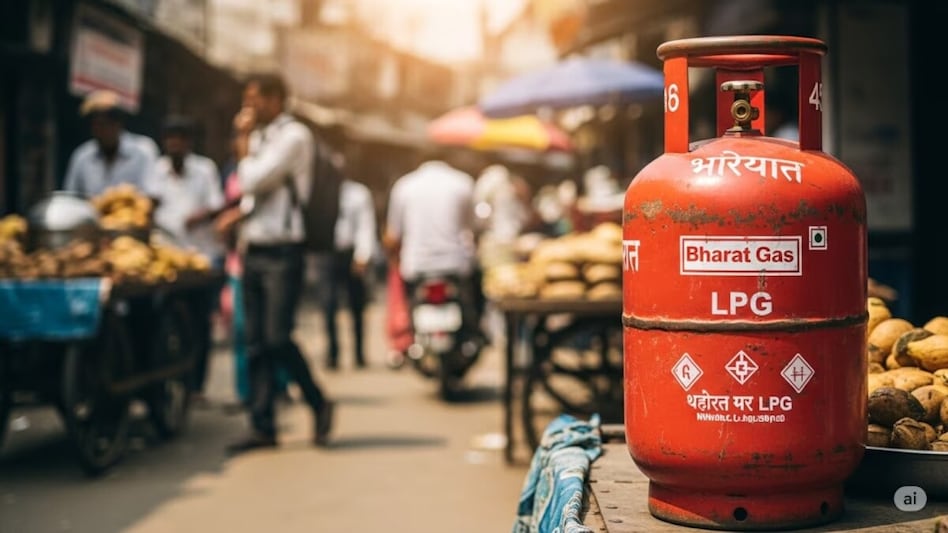
 Under the Pradhan Mantri Ujjwala Yojana (PMUY), the number of LPG beneficiaries rose to about 10.35 crore as of December 1, 2025.
 India’s petroleum and natural gas sector recorded incremental gains in fuel access, gas infrastructure and alternative fuels during 2025, according to year-end data from the Ministry of Petroleum and Natural Gas. While headline numbers point to steady expansion, analysts say challenges around sustained usage, subsidy dependence and import exposure remain unresolved.
Under the Pradhan Mantri Ujjwala Yojana (PMUY), the number of LPG beneficiaries rose to about 10.35 crore as of December 1, 2025. To address pending demand, the government approved 25 lakh additional LPG connections for FY26 and simplified eligibility norms by moving to a single deprivation declaration.

 Why HDFC Bank is facing a lawsuit in the US
 99.97% haircut! NCLT approves Subhash Chandra's Rs 6.5 crore payout to settle Rs 22,006 crore dues: Report
 India, China explore new investment framework; outlay package may be unveiled during BRICS summit: Report
 Nepal flash floods: 21 Indian tourists rescued so far, over 160 bodies recovered - Top developments
 'Lost 80 people': Sadhguru seeks China approval to search for missing pilgrims in flood-hit Gyirong
 Festive Season Could Revive Credit Card Spending: Market Expert On SBI, ICICI, Kotak
 YouTube, Insta Earnings Are Not Tax-Free: What Freelancers & Content Creators Must Know About Tax
 What’s Hot: Stocks, Gold & Big Money Moves | Daily Markets Show | August 26 | Business Today TV
 Nifty Rally Gets A Boost From Falling Oil: Vaishali Parekh On What Comes Next
 IIT Delhi Protests Over Student Death As Students Demand Accountability And Independent Probe
 Adani Enterprises shares get 25% upside target from MOFSL; stock reacts99.97% haircut! NCLT approves Subhash Chandra's Rs 6.5 crore payout to settle Rs 22,006 crore dues: Report
 Juniper Green Energy shares fall 7% despite 54% jump in Q1 net profit
 ICICI Prudential AMC shares tank 5% after Prudential's 2% stake sale; here's why
 Mazagon Dock, Godrej Prop, M&M, Prestige Estates: Top stock to buy; check fresh targets & more'Lost 80 people': Sadhguru seeks China approval to search for missing pilgrims in flood-hit GyirongAdani Enterprises shares get 25% upside target from MOFSL; stock reacts99.97% haircut! NCLT approves Subhash Chandra's Rs 6.5 crore payout to settle Rs 22,006 crore dues: ReportJuniper Green Energy shares fall 7% despite 54% jump in Q1 net profit
 ChatGPT ads arrive in India as OpenAI targets Free, Go users in major revenue push ahead of IPO












