








 The cap is also expected to redistribute gains within the system, helping offset losses incurred on the sale of fuels in the domestic market.

 The cap is also expected to redistribute gains within the system, helping offset losses incurred on the sale of fuels in the domestic market.
India has moved to cap refinery margins, extending its intervention in fuel pricing after earlier imposing a windfall tax on exports, in a bid to cushion domestic fuel losses and stabilise the market.
The decision comes as refiners have been benefiting from strong global margins, even as domestic fuel pricing remains sensitive. By introducing a cap, authorities aim to ensure that gains from exports and elevated margins do not disproportionately impact local consumers, according to a PTI report.
The move signals a more hands-on approach to balancing the interests of oil marketing companies, refiners and end-users. Officials believe that unchecked margins could widen the gap between international crude trends and domestic fuel affordability, especially during periods of volatility.
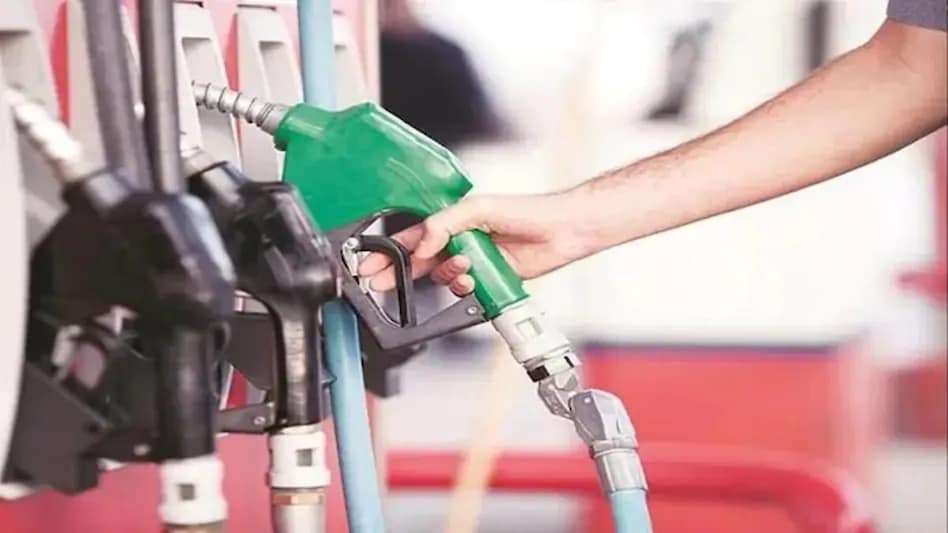
The cap is also expected to redistribute gains within the system, helping offset losses incurred on the sale of fuels in the domestic market, the report added. This is particularly relevant when global crude prices rise but retail fuel prices remain relatively stable due to political or economic considerations.
Industry participants see the move as part of a broader strategy where the government continues to calibrate taxes, duties and now margins to manage inflationary pressures. While refiners may face some pressure on profitability, the policy aims to create a more balanced ecosystem.
At the same time, the intervention underlines the government’s intent to retain flexibility in fuel pricing, especially in a market that is still partially regulated despite deregulation in principle.
In response to the escalating West Asia conflict and the subsequent volatility in global energy markets, the government has implemented a strategic overhaul of excise duties and windfall taxes to stabilise the domestic economy.
To shield citizens from surging global crude prices and protect OMCs (Oil Marketing Companies), the special additional excise duty on petrol has been cut by ₹10 per litre, effectively slashing duty on Petrol from Rs 13 to Rs 3 and on Diesel from Rs 10 to zero.
Although these significant tax reductions will not result in lower costs at the pump, they are designed to offset the massive under-recovery losses currently being absorbed by state-run oil marketing companies like IOCL, BPCL, and HPCL, thereby ensuring that retail petrol and diesel prices remain unchanged for the general public.
 Tata Trusts row escalates after Vijay Singh demands probe into 1989 share deal
 Elon Musk's net worth rises by Rs 13 lakh crore post SpaceX's stellar market debut
  Is the China+1 strategy giving India its biggest export opportunity yet?
 EPFO adds over 19 lakh members in June, rolls out easier online update facility
 IRCTC getting a brand new website by July 15: What students and every Indian traveller should know
 "Before 2014, India's Image Was A Country Of Poor & Corrupt": Minister Shekhawat To India Today
 Latest Tech News Of The Week | Starlink, Anthropic Fable 5, Instagram Update, WWDC26 | Tech Gear
 Tech Gear Show | Tech News, E85 Fuel Explained, HMD Vibe 2 Review, Moto Edge 70Pro+ | EP 6
 India's First E85 Fuel Sports Bike | Suzuki Gixxer SF 250 Flex Fuel | Gadget Garage | Tech Gear
 Noida Airport Eyes Five Million Passengers In Its First Year Of Operations
 Tata group stock announces Rs 25/share dividend; record date set for July 16Elon Musk's net worth rises by Rs 13 lakh crore post SpaceX's stellar market debut
  SpaceX shares make Nasdaq debut after historic IPO; check listing price & marketcap
 SpaceX IPO: 'We want to take you to the Moon, Mars and beyond' — Elon Musk on historic listing
 Vodafone Idea shares jump over 25% in a month; can this bullish move continue?