


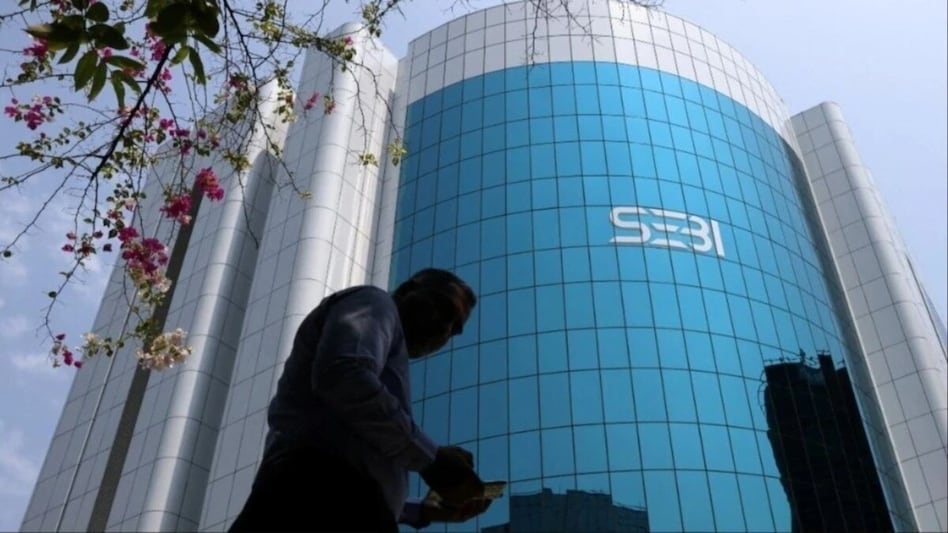
 Sebi recently provided relief to companies planning to raise funds through public issues by granting a one-time extension for the validity of its observation letters.
Market regulator Securities and Exchange Board of India (Sebi) has introduced a new framework to simplify compliance and enhance transparency in the treatment of pledged shares under capital market regulations. In a circular issued to stock exchanges, depositories, and merchant bankers on April 8, Sebi said that securities where a conventional lock-in cannot be enforced will now be tagged as "non-transferable" for the duration of the lock-in period, ensuring that such shares cannot be transferred until regulatory requirements are met.
The move follows amendments made on March 21 to the Sebi (Issue of Capital and Disclosure Requirements) Regulations, 2018. By introducing the "non-transferable" tagging mechanism, Sebi aims to strengthen regulatory oversight and ensure that promoters and other shareholders adhere to lock-in requirements even when shares are pledged with lenders.

 Hormuz crisis exposed world's energy weak spots: Why the next shock could hurt more
 Battle lines are drawn: Tata Trusts prepares to challenge N Chandrasekaran’s reappointment in the court
 'Hormuz will never be...': Qatar Energy chief dismisses Bessent's 'worthless in 2 years' claim
 Welspun Corp stock in focus as arm wins 'large' order from Saudi Aramco
  HDFC Bank shares: Buy, hold or sell? Bear case scenario in the price, says UBS
 Gold Price Target 2026: Expert Sees MCX Gold At ₹1.8 Lakh By Year-End Amid Strong Demand
 Health Insurance: Why Pre-Existing Diseases And Waiting Periods Matter For Buyers
 Crude Oil Above $100: How High Energy Prices And Rupee Weakness Impact Gold Prices In India
 CEA On India’s Manufacturing Rise, Atmanirbhar Bharat And Modi’s Economic Policy
 Health Insurance Buying Guide: 7 Things First-Time Buyers Must Check Before Choosing A Policy
 Accel, Tiger Global-backed Moneyview IPO opens on Sept 24; check price band, size & all key details
  SoftBank plans $11 billion junk bond sale to fuel multi-billion dollar OpenAI bet: Report
 Apollo Pipes shares in focus on entry into tiles business
  Hero Motors IPO: How to check allotment status on BSE, NSE & Kfin; odds of getting shares & GMP Welspun Corp stock in focus as arm wins 'large' order from Saudi Aramco Accel, Tiger Global-backed Moneyview IPO opens on Sept 24; check price band, size & all key details SoftBank plans $11 billion junk bond sale to fuel multi-billion dollar OpenAI bet: ReportApollo Pipes shares in focus on entry into tiles business
  LPG, CNG, PNG prices today (September 21): Check latest rates in Delhi, Mumbai, Kolkata, other cities
 Gold, silver prices on September 21: Check latest rates in Delhi, Mumbai, Kolkata, other cities












