


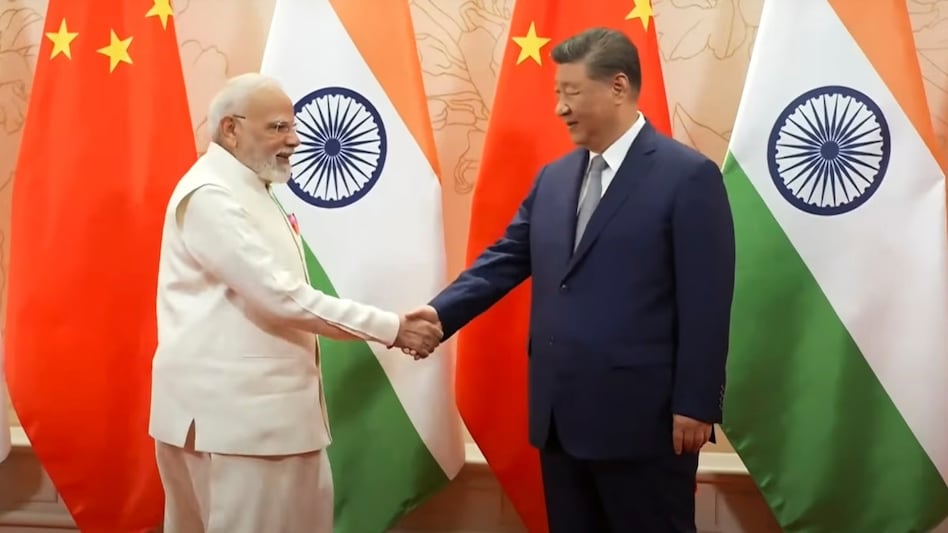
 PM Modi meets Xi Jinping at SCO in Tianjin
Former Indian ambassador to China Vijay Gokhale has described Prime Minister Narendra Modi's meeting with Chinese President Xi Jinping at the Shanghai Cooperation Organisation (SCO) Summit in Tianjin as a continuation of dialogue rather than a reset in ties. Modi's visit marked his first trip to China in seven years as relations nosedived following the deadly clash in Galwan in May 2020.
"In fact, this was a meeting between the two leaders on the margins of a multilateral conference to carry forward a process of dialogue that resumed at the BRICS Summit in Kazan in Oct 2024 after a four-year hiatus," Gokhale wrote in a piece for The Times of India.

 Identified the items but India-US trade deal not imminent, says USTR Jamieson Greer
 West Asia tensions: Crude climbs past $102 a barrel as US deploys third aircraft carrier strike group
 flydubai mid-air attack: Saudi hands over Omani co-pilot to UAE after cockpit assault on Tel Aviv flight
 ‘Despite very good personal relations…’: Putin says PM Modi discusses the Russia-Ukraine war every time they meet
 BT BIG STORY: Tata Sons restructuring: What it means for the listing and governance
 Flexi Cap, Midcap Or Smallcap? Dinshaw Irani On Mutual Fund Strategy
 Oral GLP-1 Drugs: Novo Nordisk, Eli Lilly Eye India Launch In 2027 | Pharma Stocks In Focus
 U.S. Leaves Iraq After 23 Years: Who Will Fill The Power Vacuum?
  IOC Buys Iraqi Crude At $32 Discount: What It Means For Refining Margins & Profitability
 New-Age Stocks: Why Quick Commerce Could Be The Next Big Consumption Opportunity
 HDFC Bank, Tech Mahindra, Varun Beverages: Top largecap stocks to buy; check price targets & more
 Zydus Life, Sona Comstart Dr Lal Pathlabs: Top stocks to trade - Price targets, stop loss & more
 Goldman Sachs pushes back on 'short-AI' India narrative, says report; 42 stocks in focus
 PB Fintech shares crash 48% in six sessions; stock barely holds above IPO price
 Welspun Living shares gain 5%; Jefferies retains 'Buy' call; check target price
 Nobel Prize 2026 winners: Stage set for announcements from October 5. Check details
 Jantar Mantar protest: 11 metro stations shut, prohibitory orders imposed ahead of protest against CEC
 Gold, silver prices on Gandhi Jayanti (October 2): Check latest rates in Delhi, Mumbai, Kolkata, other cities
 Election Commission orders special drive in 20 states where SIR is done, plain statutory Form 6 to be used: Report
 LPG, CNG, PNG prices on today (October 2): Check latest rates in Delhi, Mumbai, Kolkata, other cities












