


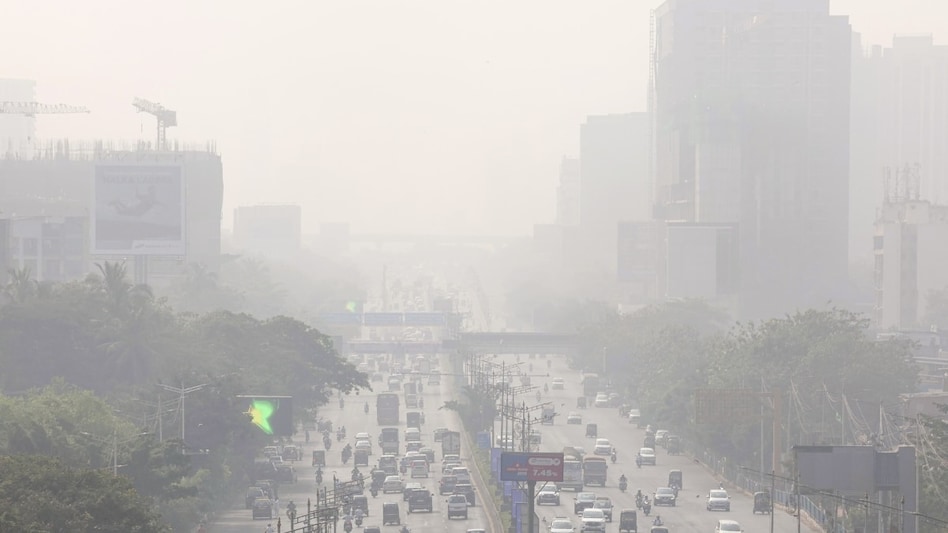
 BMC imposes GRAP 4 in Mumbai as pollution spikes
The Brihanmumbai Municipal Corporation (BMC) has enforced the Graded Response Action Plan (Stage IV), the most severe level of anti-pollution controls, as its air quality dips. This measure primarily involves shutting down construction activities, which have been identified as a major source of air pollution in the city.
The decision follows a period of air quality fluctuations, with the Central Pollution Control Board (CPCB) recording Mumbai's AQI at 111 in the 'moderate' category on Monday, but with several pockets having previously experienced 'severe' air quality readings. The new enforcement framework comes as BMC aims to limit public health risks and address the ongoing urban transformation driving dust and emissions across the metropolis.

 ₹8,862 crore in tolls! This state emerged as India's biggest highway toll revenue generator
 Could India witness a Korea-style market meltdown? Nithin Kamath explains the biggest risk
 How Indian investment overseas is gathering momentum
 Semicon 2.0, space, hydrogen trains: How manufacturing push is gaining pace, shows July's economic review
 To stay ahead, Indian manufacturers are embracing AI
 LIVE Daily Calls: Ask Your STOCK MARKET TODAY QUERIES | Market Update LIVE | Share Market News Today
 Why Are Markets Rallying? Ajay Bagga Explains | Fed, Oil Prices & FII Flows
 Strong Q1 Helps Paradeep Phos Clock 17.3 Cr Shares In Trade
 Mumbai Elite Clubs Face FDA Action | Food Licences Suspended Over Hygiene Violations
 10 Tax Jargons Every First-Time Taxpayer Must Know | Tax Guide | Personal Finance | Money Today
 Could India witness a Korea-style market meltdown? Nithin Kamath explains the biggest risk
 Dabur India Q1 results: Profit up 15% at Rs 591 crore YoY; revenue climbs 11%
 FIIs could return to market in six months, says Ajay Bagga
  Sensex, Nifty climb over 1% each; investors add Rs 4 lakh crore in wealth
 Banks, IT, defence, power stocks likely to lead FY27 earnings upgrades, says Ajay Bagga
 Declared Australian salary in Indian ITR by mistake? Delhi ITAT says it can't be taxed under DTAA
 US restricts humanoid robot imports from China over national security concerns
 ISRO invites applications for 410 apprentice posts at Bengaluru's URSC; apply till August 28
 Texmaco led JV to invest Rs 1800 crore in rail car leasing in India
 Commodity exchange NCDEX launches Mutual Fund transaction platform. Here are the details










