


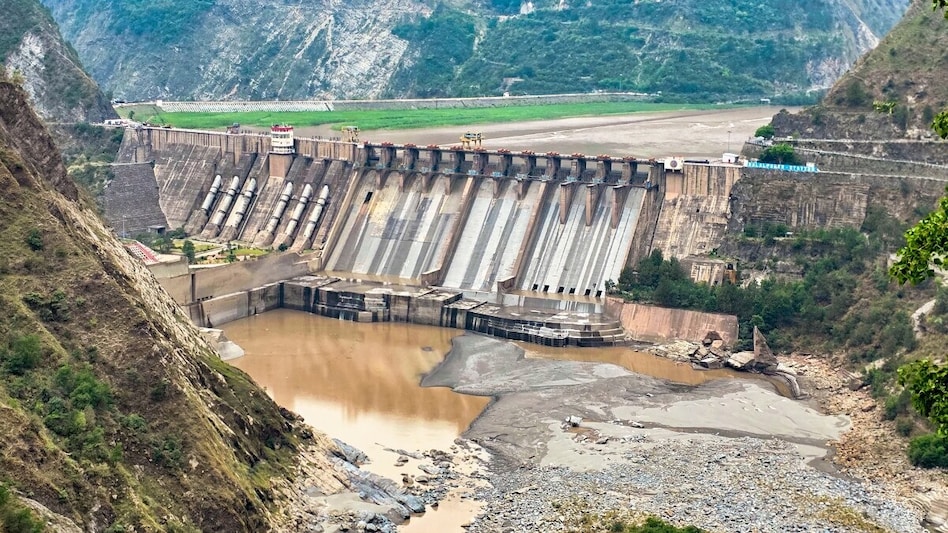
 Following the April 2025 Pahalgam terrorist attack, New Delhi placed the Indus Waters Treaty in abeyance, invoking its rights as a sovereign nation under international law.
 India on February 2 rejected a “supplemental award” issued by a so-called Court of Arbitration on the Kishenganga and Ratle hydroelectric projects, declaring that the tribunal has no legal standing, no jurisdiction, and no authority to question India’s actions as a sovereign nation.
In a statement, the Ministry of External Affairs (MEA) said that with the Indus Waters Treaty placed in abeyance, India is no longer bound to perform any of its obligations under the pact. New Delhi stressed that it does not recognise the existence of the arbitral body and considers all its proceedings and decisions illegal and void.

 Why HDFC Bank is facing a lawsuit in the US
 99.97% haircut! NCLT approves Subhash Chandra's Rs 6.5 crore payout to settle Rs 22,006 crore dues: Report
 India, China explore new investment framework; outlay package may be unveiled during BRICS summit: Report
 Nepal flash floods: 21 Indian tourists rescued so far, over 160 bodies recovered - Top developments
 'Lost 80 people': Sadhguru seeks China approval to search for missing pilgrims in flood-hit Gyirong
 Festive Season Could Revive Credit Card Spending: Market Expert On SBI, ICICI, Kotak
 YouTube, Insta Earnings Are Not Tax-Free: What Freelancers & Content Creators Must Know About Tax
 What’s Hot: Stocks, Gold & Big Money Moves | Daily Markets Show | August 26 | Business Today TV
 Nifty Rally Gets A Boost From Falling Oil: Vaishali Parekh On What Comes Next
 IIT Delhi Protests Over Student Death As Students Demand Accountability And Independent Probe
 Deepa Jewellers IPO opens on September 1; check price band, issue size & other key details
  Why did BBTC shares jump nearly 15% in early trade?
 Adani Enterprises shares get 25% upside target from MOFSL; stock reacts99.97% haircut! NCLT approves Subhash Chandra's Rs 6.5 crore payout to settle Rs 22,006 crore dues: Report
 Juniper Green Energy shares fall 7% despite 54% jump in Q1 net profit
 ‘No one owes Air India a living’: Backlash in Singapore parliament as airline seeks $1.5 billion from Tata, SIADeepa Jewellers IPO opens on September 1; check price band, issue size & other key details Why did BBTC shares jump nearly 15% in early trade?
 iPhone 17 tops global smartphone sales in Q2 2026; Apple, Samsung dominate top 10 rankings
 'Awarapan 2' box office collection day 14: Emraan Hashmi's film tops ₹170 crore in India, faces intense competition from 'Toxic'












