


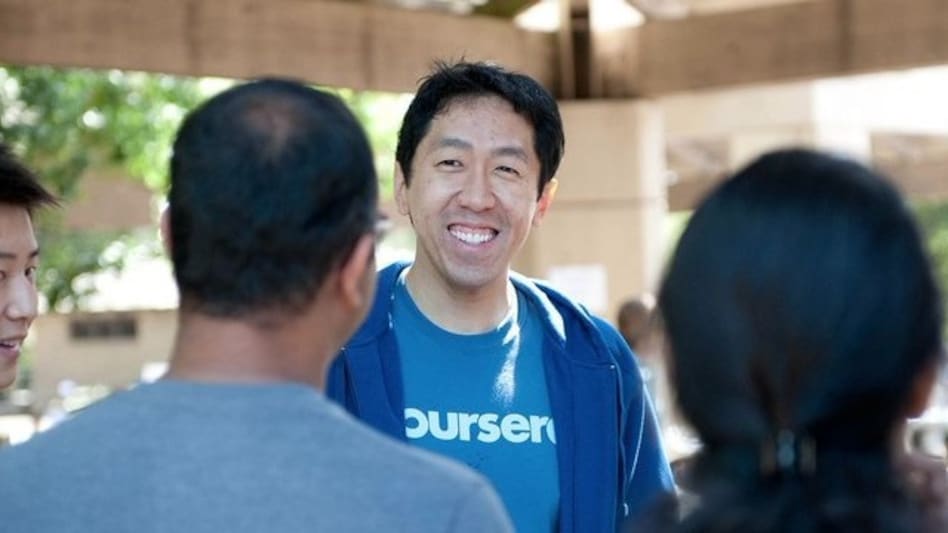
 Ng highlighted efforts underway in India, France, South Korea, Switzerland, Saudi Arabia, and others to build domestic foundation models and secure trusted compute infrastructure.
 Andrew Ng, co-founder of Coursera and one of the most influential voices in artificial intelligence, has warned that US policies are unintentionally pushing allies away from American AI technology — accelerating global interest in what is increasingly called sovereign AI.
In a detailed post on X (formally twitter), Ng argued that years of policy decisions across multiple US administrations have made other nations wary of over-reliance on American technology, especially in a domain as strategically critical as AI.

 CAS case: JPMorgan unit likely to argue Sebi breach was technical, says report
 $1 now costs 2 million rial: Iran's currency hits historic low amid fresh US sanctions
 Skyways Air IPO: Tech, global diversification to drive growth; debt reduction a key focus, says CMD
 RVNL shares a buy? Accumulate railway stock as valuations cool, says Kranthi Bathini
 Auto, auto ancillary stocks: Is it time to book profits? What Centrum's Nilesh Jain says
 Market Masters | Aniruddha Sarkar On Top Sectors, Market Outlook & Where To Invest
 Daily Calls: Ask Your STOCK MARKET TODAY QUERIES | Market Update | Share Market News Today
 All About Debt Funds: Types Of Debt Funds & How To Invest | Mutual Fund Guide | Money Today
 “India Can Attract Global Space Talent Like A Magnet”: PM Modi To Startup CEOs
 CM Yogi Responds To Rahul Gandhi Over Manusmriti Remarks, India's Youth, And Heritage
 Tempsens Instruments IPO: Issue subscribed over 184 times on final day; check latest GMP
 Cupid's Aditya Kumar Halwasiya ups stake to 33.53%; buys 11 lakh sharesAuto, auto ancillary stocks: Is it time to book profits? What Centrum's Nilesh Jain says
 This mid-cap metal stock zooms 15% on Rs 2,700 crore order announcement; do you own?RVNL shares a buy? Accumulate railway stock as valuations cool, says Kranthi BathiniTempsens Instruments IPO: Issue subscribed over 184 times on final day; check latest GMP
 Adani Funding Row: Rahul Gandhi, D.K. Shivakumar Clash Over Gautam Adani Meeting
 New Age Trains!: India’s Jaw-Dropping Rail Revolution On Full Display | Watch
 “Sugar Supply Is A Concern”: Pralhad Joshi On Prices, Imports And Festival Demand
 “Parandur Airport Plan Will Be Dropped”: Vijay Backs Farmers, Promises Alternative Site












