


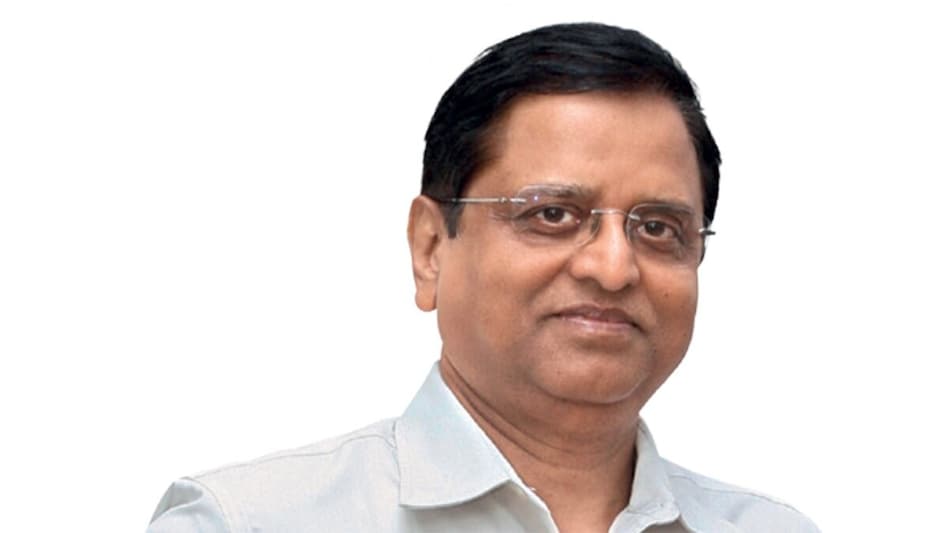
 Garg noted that officers largely learn their roles after joining the service, whether at the district level or later in the Secretariat.
 Former Finance Secretary of India Subhash Garg has spoken candidly about the gap between expectations and ground realities in the Indian Administrative Service (IAS), saying that many officers enter the service without fully understanding the nature of the work involved.
Speaking on a podcast with entrepreneur Raj Shamani, Garg said most aspirants carry only a superficial understanding of the service. “They think they will become an SDM, then a Collector, and then a big officer. That’s about it,” he said, adding that many do not really know “what a Collector actually does or what the real responsibilities of an IAS officer are.”

 JSW Infrastructure shares hit record high; stock up over 50% in six months
 GRSE shares rise 4% as board approves Rs 2,896 crore for shipyard expansion
 OpenAI warns of autonomous AI risks, calls for global rules before AI starts improving itself
 Most expensive residential unit: All about Dinesh Thakkar who bought ₹711 crore Juhu tower
 Meesho shares: Fresh price target signals 24% upside as UBS raises growth estimates
  Market Guru: Anshul Saigal On Market Outlook & Key Investment Themes
 Data Centres To Defence: Kshitiz Mahajan’s Key Investment Themes
 Varmora Granito IPO: How Management Plans To Reduce Morbi Concentration Risk
 What’s Hot: Stocks, Gold & Big Money Moves | Daily Markets Show | September 22 | Business Today
 IT Stocks: Is The Worst Over? Kshitiz Mahajan Shares His Market View
 Abakkus Asset Manager IPO: Sunil Singhania-promoted firm files DRHP with SEBI; check key details
 NSE IPO listing on September 24: How 5 largest IPOs fared on market debuts
 LIC emerges as biggest bidder in NSE IPO, applies for shares worth Rs 4,500 crore: Report
 Vodafone Idea shares up 3%, Bharti Airtel falls: What TRAI's new rules say
 Engineers India shares: EIL jumps 6% on Kenya greenfield refinery plantAbakkus Asset Manager IPO: Sunil Singhania-promoted firm files DRHP with SEBI; check key details
 UPI MDR GST: NPCI says small merchants and 96% of transactions remain unaffected from October 15
 Asian Games 2026: Indian women's cricket team strike first gold, beat Sri Lanka in final
 IIT Bombay student death: Hostel renovation begins, wall-mounted fans to be installed
 21 States Sign UDAN MoUs: Minister K Ram Mohan Naidu Reveals Next Phase












