


 EU had no problem importing Russian-origin fuel from India until recently.
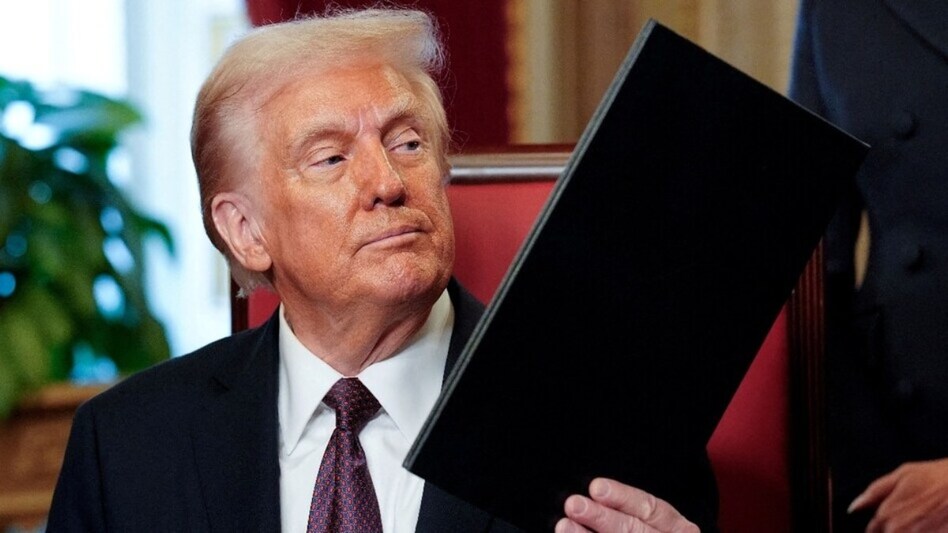
India’s energy pivot to Russia is not a betrayal, it’s a consequence of American sanctions. In a pointed column for The Indian Express, Amit Kumar of Takshashila’s Indo-Pacific Studies programme breaks down why Donald Trump’s anger at India’s oil imports from Russia is not only misplaced but rooted in contradictions within U.S. foreign policy itself.
As India and the U.S. failed to reach a trade agreement by the deadline, Trump announced a sweeping 25% tariff on all Indian imports, with an additional penalty tied to India’s ongoing crude purchases from Russia.

 'ISRO will neither be privatised, nor...': Space agency clarifies its future role amid private-sector push
 India becomes key diesel supplier to Europe via Bab-el-Mandeb
 SBI plans to hire 12,000 employees, up to 250 more branches in FY27
 Clash with BRICS Leaders’ Summit: GST Council meeting likely to be rescheduled
 West Bengal has Rs 8 lakh crore debt. Then why is it giving Rs 3,000 cash? FM Swapan Dasgupta explains
 Equity, FDs, Gold & More: How Couples Should Plan Their Investments Together
 How Couples Can Balance Shared Goals With Individual Dreams And Financial Needs
 FSSAI CEO On Misleading Food Ads, Brand Crackdowns And Pressure From Industry Lobby
 Couples & Tax Planning: How Smart Expense Planning Can Help Reduce Family Tax Outgo
 Mutual Fund Allocation: How Much Should Investors Allocate To Large, Mid & Small Cap Funds?
 APL Apollo, GNFC, Apar, Force Motors among stocks to turn ex-dividend next week; big payouts in focus
 LIC weighs NSE IPO strategy: CEO says market conditions, valuation to decide final move
 IHCL, LemonTree, Chalet among 5 hotel stocks to buy; analysts see up to 49% upside
 FCNR(B) windfall lifts NBFCs, small private banks: Why these stocks may be the bigger winners
 20 Asia-Pacific stocks with up to 145% upside: Full ‘Going For Glory’ list, no Indian stock included
 This Chinese entrepreneur found a strange way to help people relax. Now he makes ₹14 lakh a month
 Changed jobs frequently? You may have multiple PF accounts — here’s how to fix it
 ₹4.62 crore vs ₹3.75 crore: How much retirement corpus is enough in India?
 Will industry participate in the government's call for participation in indigenous SMR development?
 Global trade runs on the oceans: 10 maritime chokepoints that could disrupt the world economy












