


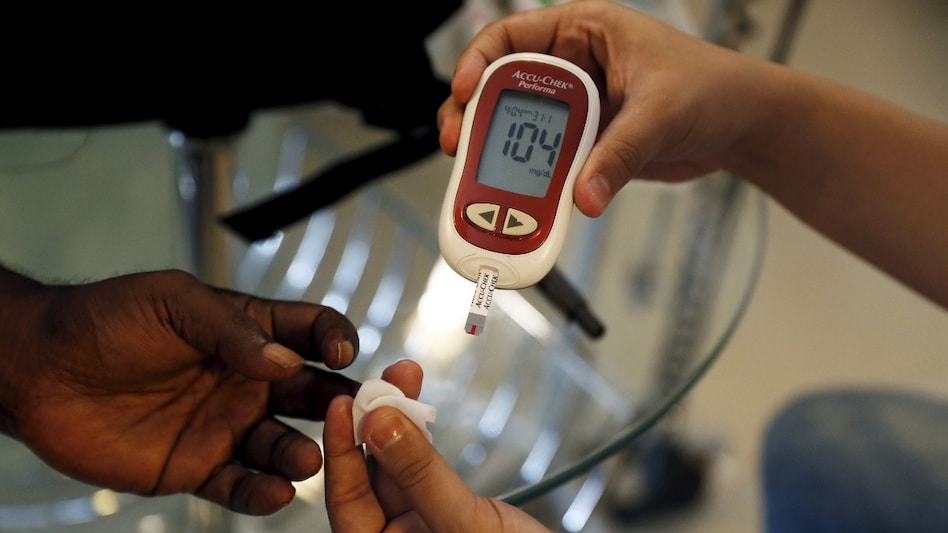
 A Lancet paper raises concerns over the widespread use of HbA1c
A standard blood test that forms the basis of diabetes diagnosis, insurance assessments and public health surveys in India may be giving misleading results for large sections of the population, a new analysis published in Lancet Regional Health, Southeast Asia has warned.
The paper raises concerns over the widespread use of HbA1c, the most common test used to diagnose and monitor diabetes, saying its accuracy can be affected in populations with high levels of anaemia, inherited blood disorders and G6PD deficiency, all of which are common in India. G6PD deficiency is a genetic blood disorder in which red blood cells break down faster than normal, potentially leading to falsely low HbA1c readings and delayed diabetes diagnosis. The findings could have implications for patient care as well as for how India estimates the scale of its diabetes burden.
 Trump made 1,000-plus trades in June: Here's what he bought and sold
 ‘F&O trading is bad for almost 99% of retail traders’: Nikhil Kamath draws ITC parallel, says brokers need to diversify
 NDA explores holding joint polls in 22 states, UTs in 2029: Report
 'IAF is not against theaterisation': Air Force chief AP Singh cautions against copying foreign models
 ABH Healthcare IPO: Check key dates, price band, issue size, latest GMP, listing details & more
 Motor Insurance Add-Ons You Actually Need Explained: Zero Depreciation, RSA & Return-To-Invoice
 No Claim Bonus Explained: When Should You Claim Or Pay For Repairs Yourself?
 Motor Insurance Premium: What Factors Determine How Much You Pay?
 How Is Retirement Income Taxed For Senior Citizens? Key Rules Explained
 Rental Income Tax: 3 Key Deductions Every Senior Citizen and Property Owner Should Know
 Hold YES Bank, Federal Bank; buy HDFC Bank, Kotak Mahindra, Axis: ICICI SecuritiesTrump made 1,000-plus trades in June: Here's what he bought and soldABH Healthcare IPO: Check key dates, price band, issue size, latest GMP, listing details & more
 India stocks lag global markets in 2026: BofA data shows 9.1% decline in USD terms
 'FOMO, fixed return': SEBI proposes revamped ad code for bond portals from misleading investorsHold YES Bank, Federal Bank; buy HDFC Bank, Kotak Mahindra, Axis: ICICI Securities
 Escalating Hormuz crisis: Boris Johnson sees India as key to US exit strategy in Iran
 'Why should IAS, IFS, OBC MPs get reservations?' Mohandas Pai asks Akhilesh Yadav
 Office politics getting messy? 5 pieces of advice from entrepreneur Ankur Warikoo to stay out of trouble
 12,000 students, 80 seats: IIM Bangalore’s first UG programmes see huge demand; check courses, campus & what students get












