


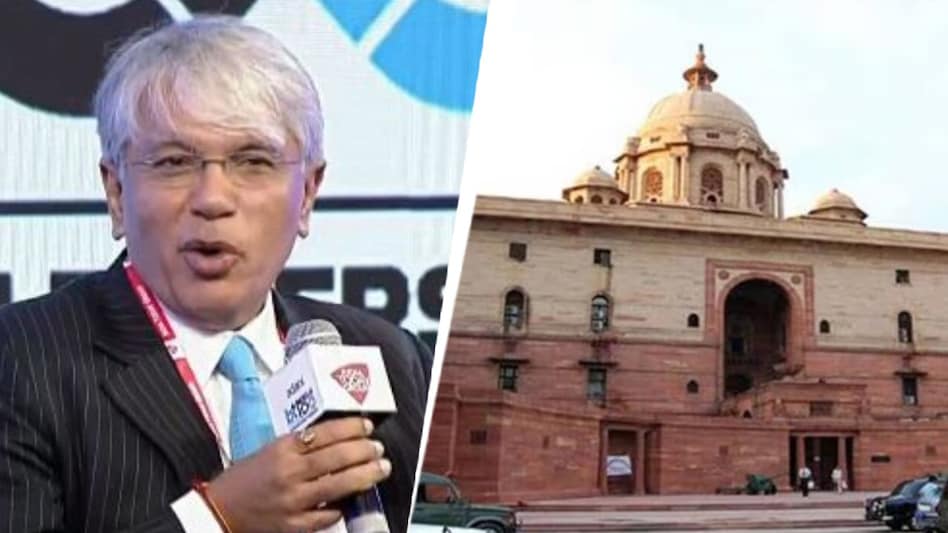
 ‘200 secretaries make no sense’: TeamLease chief pushes for bureaucratic reform
India's civil services need structural reform, performance management, and a fundamental shift in mindset, Manish Sabharwal, Chairman of TeamLease, said during a recent podcast conversation on Bharatvaarta Policy. He argued that the system still reflects outdated colonial-era incentives rather than the demands of a competitive modern economy.
Responding to a question on whether the Indian state remains extractive in nature, Sabharwal said reform must begin the way any large organisation would overhaul its human resources - by fixing structure, performance management, and staffing.
 Swiggy shares vision FY31: Why analysts have doubts; Citi, UBS, CLSA targets
 After PM Modi post row, Meta faces tough questions on algorithms, deepfakes and your feed
 US, Israel ships to be barred from entering Hormuz? Iranian panel reviews preliminary bill
 Nandan Nilekani says India's AI edge isn't chips—it's this opportunity that could create millions of jobs
 Vedanta unit seeks $1.4 billion mega loan from three banks: Report
 PNC Infratech Faces NHAI Heat: Will Probe, Penalties And Debarment Risk Hurt The Stock Ahead?
 Honda Outsources Key Vehicle Platform To Tata Technologies; Stock Jumps 6.5% On Major Deal Win
 NHAI Cracks Down On PNC Infratech After Expressway Defects; Shares End Over 5% Lower
 Should Retirees & Senior Citizens File An ITR Without Regular Income? Tax Rules Explained
 Can Private Developers Monetize Government Land? | Mr. Vinayak Chatterjee
 Swiggy shares vision FY31: Why analysts have doubts; Citi, UBS, CLSA targets
 Samvardhana Motherson shares: SAMIL a Buy after 8% rally? Targets by Citi, JPMorgan, CLSA
 LEAP India IPO kicks-off today: Should you subscribe: Check price band, GMP, review & more
 Bajaj Finance shares fall most in four months, down 6%; here's why
  Technocraft Ventures IPO opens: Should you apply or avoid? Check price band, GMP & reviews
 Weight loss medicines lead to 'Ozempic face'. A Korean biotech company now has a solutionAfter PM Modi post row, Meta faces tough questions on algorithms, deepfakes and your feedPNC Infratech Faces NHAI Heat: Will Probe, Penalties And Debarment Risk Hurt The Stock Ahead?
 Gujarat’s Morbi 'waving well' mystery: Experts explain why water moved for days like ocean wavesHonda Outsources Key Vehicle Platform To Tata Technologies; Stock Jumps 6.5% On Major Deal Win










