


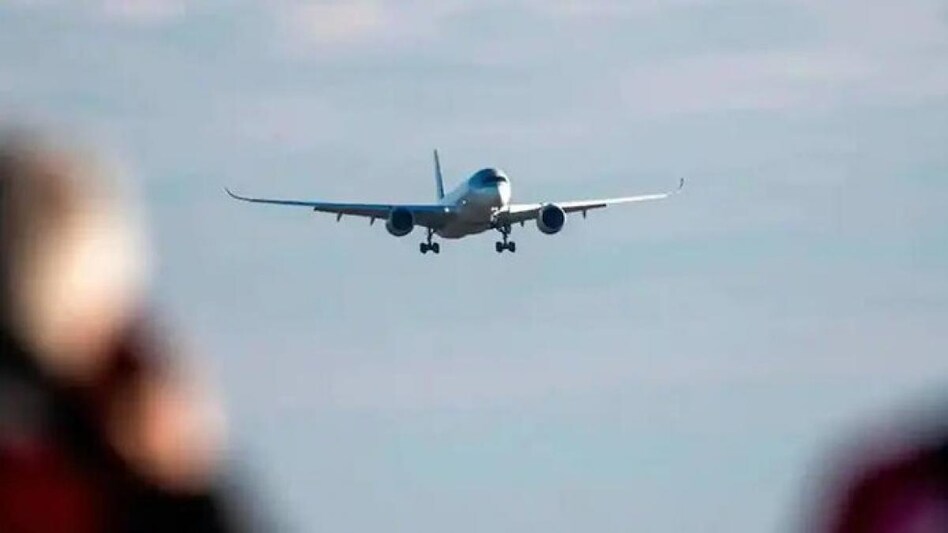
 The watchdog advised the heads of operations of all airlines to sensitise their pilots, cabin crew and post holders
Aviation regulator Directorate General of Civil Aviation (DGCA) on Monday issued an advisory to airlines reiterating the existing provisions in place to deal with unruly passengers. The advisory came on the day when a male passenger was deboarded by Air India from a Delhi-London flight for causing physical harm to two cabin crew members. This was just one of the most-recent cases and there have been many such incidents reported in the past.
In its advisory, the regulator said there are provisions under the Civil Aviation Requirement (CAR) for action to be taken by the airline to deal with unruly passengers.

 War could reach Indian Ocean, perhaps beyond, if US continues attacks, says Iran
 NSE becomes Asia's second most-valued stock exchange, m-cap at $46.89 billion
 NSE share price: PL Capital roots for capital market goliath, sets target of Rs 1,950
 BT Big Story: Is 66% = zero? The Tata Sons question on everyone’s minds
  PB Fintech shares crash 32%: Why Policybazaar parent fell like deck of cards; 1.42 lakh retail investors hit; targets
 MDR Levy: Will Retail Trading Volumes Take A Hit? | NSE Chairman Srinivas Injeti
 NSE Lists At ₹1,800: Exclusive Post-Listing Interview With India's Largest Exchange
 From Mobile Trading To AI: How NSE Plans To Protect Market Integrity
 NSE On India’s Capital Markets Growth | IPOs, REITs, InvITs And More
 NSE On Its Next Growth Phase | Electronic Gold Receipts, Coal & Bond Index Futures
 Whirlpool of India clarifies on promoter stake sale report; stock slips
 From Azim Premji to DMart’s Radhakishan Damani: The famous investors sitting on thousands of crores in NSE shares
 Solar Industries stock gets 'Buy' call on defence push and global explosives growth
 BTTV Exclusive | NSE CEO Ashish Chauhan says new products to drive diversification, calls EGRs transformational
 BTTV exclusive: NSE's Ashishkumar Chauhan & Srinivas Injeti on tradeoff between profitability and excessive speculationMDR Levy: Will Retail Trading Volumes Take A Hit? | NSE Chairman Srinivas Injeti
 Asian Games 2026: Former Uber driver Salman Khan & ex-handball player Satnam Singh win India's first men's double sculls medal NSE Lists At ₹1,800: Exclusive Post-Listing Interview With India's Largest ExchangeFrom Mobile Trading To AI: How NSE Plans To Protect Market Integrity
 Only 1 in 10 Indian households has an AC: Why India’s appliance market has a long runway












