


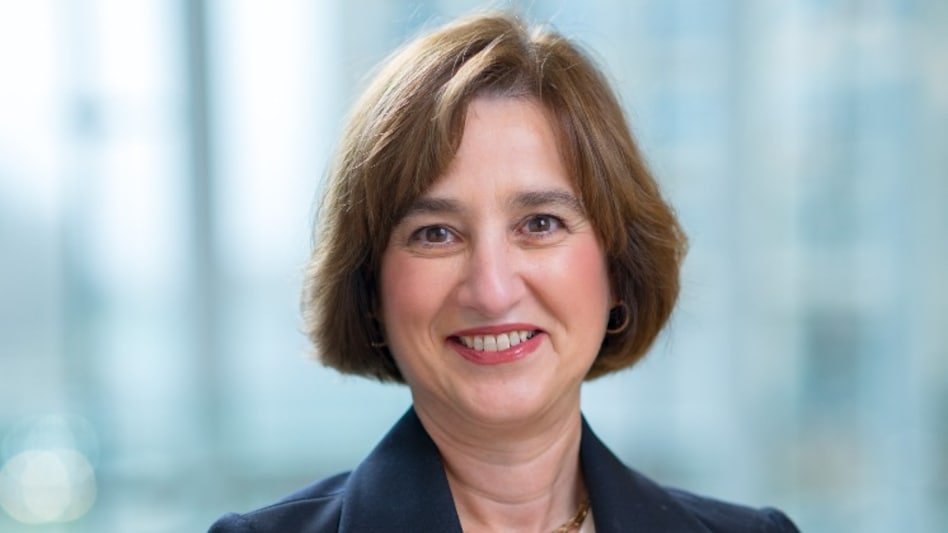
 Ozlem Fidanci, Chief of the International Region at Royal Philips
Dutch medical technology company Royal Philips is scaling up India as a key manufacturing and technology hub, with a growing share of its AI-enabled healthcare devices now produced in the country.
“One out of two AI-enabled devices are produced out of India,” Ozlem Fidanci, Chief of the International Region at Royal Philips, told Business Today, underlining the country’s growing role in the company’s global manufacturing and innovation strategy.

 India to modify Su-30MKI jets for 300-km Russian air-to-air missile: What it means for IAF
 ‘No one is prepared for the consequences’: OpenAI chief scientist calls for ‘extreme caution’ over AI’s rapid progress
 Manika Plastech IPO opens on Sept 11; check price band, issue size, GMP and other key details
 JSW Infra shares: Jefferies trims target after FY26 annual report, says this
  Jio’s ₹3,599 anniversary plan vs Airtel and Vi: Which annual recharge offers the most value?
 Delhi PG Collapse: Unsafe Buildings, Missing Safety Checks & The Accountability Question
 Equity, FDs, Gold & More: How Couples Should Plan Their Investments Together
 How Couples Can Balance Shared Goals With Individual Dreams And Financial Needs
 FSSAI CEO On Misleading Food Ads, Brand Crackdowns And Pressure From Industry Lobby
 Couples & Tax Planning: How Smart Expense Planning Can Help Reduce Family Tax Outgo
 Novartis India shares jump 4% on Rs 1,250 crore Pfizer trademarks acquisition Manika Plastech IPO opens on Sept 11; check price band, issue size, GMP and other key details
 Steamhouse India IPO: Industrial Gases player to launch IPO on Sept 9; check all key details
 Supreme Industries shares jump 4%; ICICI Securities raises target price JSW Infra shares: Jefferies trims target after FY26 annual report, says this
  “We Control Hormuz Now”: U.S. President Donald Trump Reveals Why U.S. Launched Fresh Strikes On Iran
 More India-US Deals On The Way? Piyush Goyal On Trade, Jobs & Growth
 S.I.R Draft Voter List: Name Missing From Electoral Roll? Here's What To Do & Deadline
 How Is India’s GDP Calculated? MoSPI Secretary Explains Deflation & New Methodology
 Smallcaps Are Roaring Back! 20 Stocks From Nifty Smallcap 250 Universe Have Turned Multibaggers












