


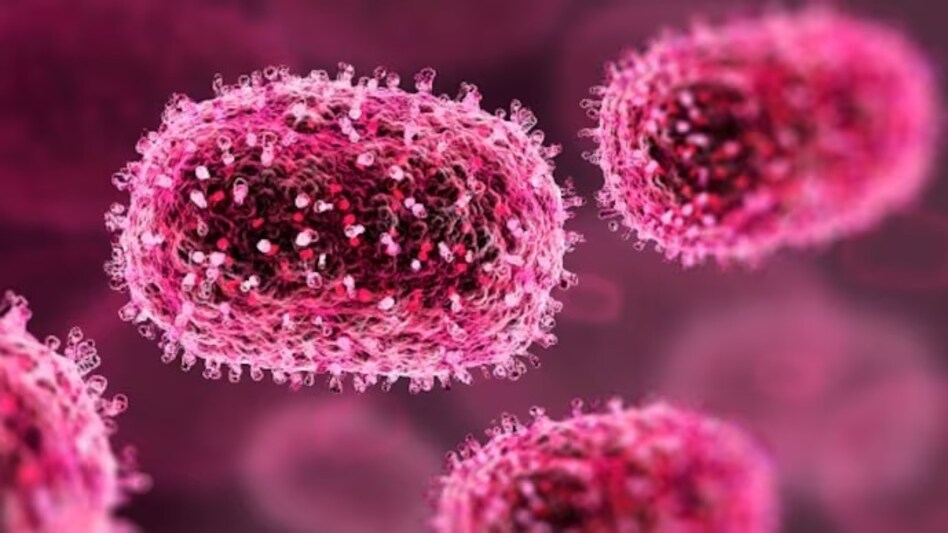
 So far, 14 suspected Chandipura virus infection cases have been reported in Gujarat.
To address the outbreak of Chandipura virus and Acute Encephalitis Syndrome (AES) in Gujarat, the central government has dispatched a multidisciplinary team of experts to assist the state's health authorities.
This decision follows a high-level review meeting on Friday, which highlighted the limited role of infectious agents in AES cases nationwide and emphasised the need for comprehensive studies in Gujarat.

 Trump calls Venezuela oil agreement ‘biggest deal in world history’, says it will cut US gas prices
 Nepal flash floods: Infosys subsidiary chief Lax Gopisetty not reachable. Read full company statement here
 West Asia conflict: Delhi CNG price to rise by ₹3.89 per kg; check latest CNG rates here
 The Tim Cook story: From Steve Jobs’ no. 2 to Apple CEO
 ITR-3 vs ITR-4: Which income tax return form should freelancers, traders and business owners use?
 CMF Buds Neo Review | Tech Gear | Business Today
 Gen Z Is Changing Politics? D.K. Shivakumar On Youth Power & Rahul Gandhi’s Outreach
 Babita Singh Reporting, Part-Timers, Bandar & More: 5 OTT Releases To Watch This Weekend
 Using AI To Write? You Could Be Caught! Anthropic's Invisible Watermark Explained
 Shah Rukh, Salman & Madhuri-Backed Pernia’s Pop-Up Shop Parent Eyes ₹680 Cr IPO
 Jio Platforms IPO gets SEBI nod: Rs 27,500 crore debt repayment plan, $100 billion valuation in focus
 Closing Auction Session: Why the system expected to reduce volatility is still seeing occasional wild swings
 RIL-backed penny stock hits 52-week low; firm clarifies on high trading volume
 Happiest Minds shares slip despite IT stocks surge; here's what is weighing on the stock
 BEL, Solar Industries shares remain Nuvama's top defence picks; here's what it said on BDL, Data Patterns, HALTrump calls Venezuela oil agreement ‘biggest deal in world history’, says it will cut US gas prices
 LPG, CNG, PNG prices today, August 29: Check latest rates in Delhi, Mumbai, Kolkata, other cities
 Petrol, diesel prices today, August 29: Check latest rates in Delhi, Mumbai, Chennai, Kolkata & more
 'Toxic' box office collection day 3: Despite drop in daily biz, Yash's film nears ₹200 crore in IndiaThe Tim Cook story: From Steve Jobs’ no. 2 to Apple CEO












