









 The move is aimed at easing raw material access for textile manufacturers

 The move is aimed at easing raw material access for textile manufacturers
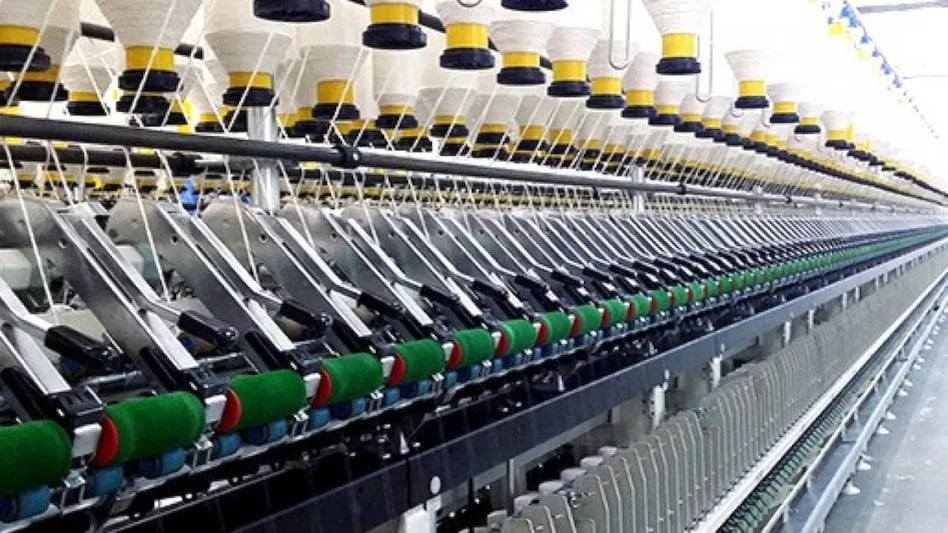
The Central Government has withdrawn the Quality Control Order for Viscose Staple Fibre with immediate effect after consultations with the Bureau of Indian Standards and key industry representatives.
The move is aimed at easing raw material access for textile manufacturers who had repeatedly flagged supply disruptions, higher procurement costs and delays caused by mandatory certification.
With VSF being a key input for man-made fibre and blended fabrics, the withdrawal is expected to ensure uninterrupted supply, support MSMEs and export-oriented units, and strengthen the sector’s ongoing push under Vision 2030 to boost domestic consumption and achieve 100 billion dollars in textile exports.
The decision aligns with a broader policy shift that has seen the government ease or defer QCO requirements across several other sectors over the past few weeks. Industry bodies in plastics, chemicals, engineering goods and metals had raised similar concerns about certification-linked bottlenecks that were restricting imports of critical intermediates and inflating input costs for downstream industries.
In response, the government has recently rolled back QCOs on a range of chemical and polymer intermediates used by manufacturers in packaging, moulding, textiles, footwear and electronics. These include select grades of plastics, polymers and chemical feedstocks where industry had demonstrated that mandatory BIS approval was affecting supply availability.
The metals and engineering sectors have also witnessed relief, with QCOs on some specialised steel grades being deferred to prevent shortages for automotive, capital goods and infrastructure manufacturers who rely on imported or non-standard grades that are not always produced domestically.
The objective has been to ensure that quality norms do not disrupt production schedules or lead to higher costs in sectors that are already facing competitive pressures.
 NSE issues investor advisory against 'dabba', illegal trading services: What it means
 Online food delivery isn't slowing down: Why Indians are ordering more than ever
 Capgemini daycare case: NHRC seeks Karnataka report on alleged toddler abuse at crèche
 SBI vs PNB FD rates: Which public sector bank offers better fixed deposit returns in 2026?
 Gold, silver prices today (July 4): Yellow metal nears ₹1.5 lakh, silver crosses ₹2.5 lakh. Check latest rates here
 Can A Kill Switch Exist In Electric Vehicles? Here’s What EV Owners Should Know
 Persistent Systems CEO Sandeep Kalra Says Nagarro Acquisition Will Drive Long-Term Growth
 Tech Gear Show | Latest Tech News, Moto Razr Fold Review, Sony INZONE H6 Air, OnePlus Nord Buds 4 | EP 9
 I.T. Sector Recovery Ahead? Feroze Azeez On AI, Acquisitions & The Next Growth Phase
 Driving India's First E85 Flex Fuel WagonR: Real-World Experience & Mileage Review
 NSE issues investor advisory against 'dabba', illegal trading services: What it means
 Sensex, Nifty extend winning streak to 3rd day; investor wealth jumps over Rs 6.1 lakh crore
 L&T, Ashok Leyland and MCX: How to trade these 3 buzzing stocks?
 HCLTechnologies shares extend gains, climb nearly 8%: Two factors behind today's rise
 TCS, Infosys, KPIT Tech, Mphasis, HCL Tech, Wipro: Kotak cuts IT estimates; check targets