

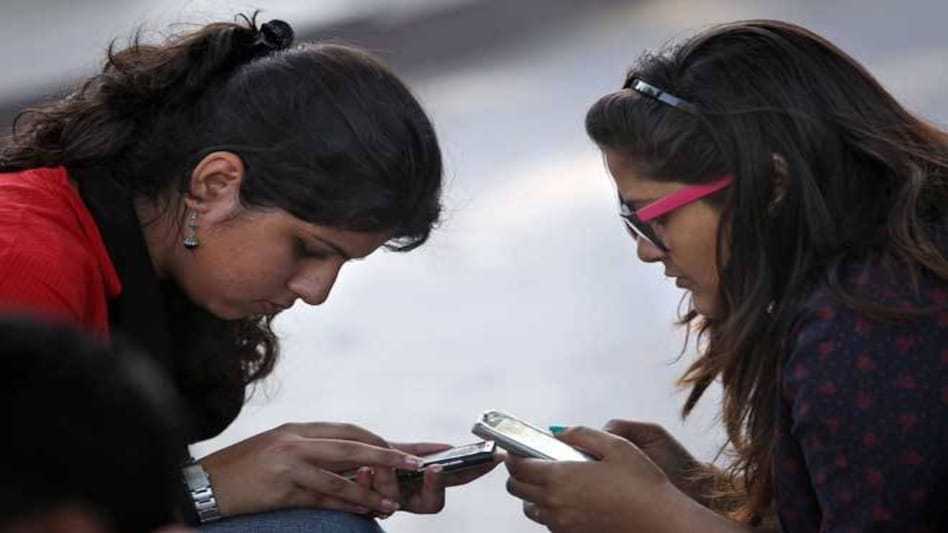
Call drops in India are higher than the globally accepted 3 per cent standard, according to a report by Redmango Analytics Pvt. Ltd. A call drop is when an ongoing call is suddenly interrupted against the wishes of the user. Call drop rates in India averaged around 4.73 per cent, according to a RedMango study of 20 Cities in 2015. The Telecom Regulatory Authority of India prescribes 2 per cent as the acceptable call drop rate for the country.




"The type, version and operating system significantly impacts the call drop experience of smartphones. Since awareness of this is low among users in India, mobile operators must compensate for this by designing their networks for the lowest performing smartphones that proliferate the market," says the report.
 6th-gen fighter tech: India turns to French-led European consortium to ensure air force doesn't lag
 EV boom could trigger a new commodity supercycle: Why copper, lithium, graphite matter
 Air India, Air India Express hike pilot salaries by up to 17% amid poaching battle: Report
 India vs Taiwan, South Korea: Where is global capital heading next?
 Shifting base to Dehradun: Rishabh Pant seeks CM's help in buying land, Pushkar Singh Dhami assures action
 I.T. Stocks Rebound After Sharp Rally: Is The Worst Over Or Is Caution Still Needed?
 Income Tax Notices Explained: Common ITR Mistakes That Can Trigger A Tax Department Notice In India
 Reasons Why Your Health Insurance Claim Gets Rejected | Experts Share How To Avoid Them
 Deductibles Vs Co-pay In Health Insurance: What They Mean & How They Affect Your Premium | Health Insurance
 How To Choose Mutual Funds And Avoid Costly Investing Mistakes
 Poonawalla Fincorp: Planning to buy the NBFC stock? Here's what expert says
  Adani Green shares down 16% from July high; is it time to buy this Adani stock? Targets
 Short-term buy ideas: 2 stocks that Pradip Halder is betting on
 India’s realty IPO market evolves: Why workspaces, managed assets are next big theme
 PPFAS MF's Rajeev Thakkar explains why the fund isn't chasing OpenAI-like AI stocks
 Hope to register all urban cooperative banks with umbrella body in current financial year: NUCFDC CEO
 ‘Want guaranteed returns... make a Bank FD’: PPFAS’ Rajeev Thakkar on equity volatilityI.T. Stocks Rebound After Sharp Rally: Is The Worst Over Or Is Caution Still Needed?
 Go transparent and modernise or get left behind: Amit Shah tells coop banks
 Spanish ambassador to India faces exit over alleged illicit financial dealings










