


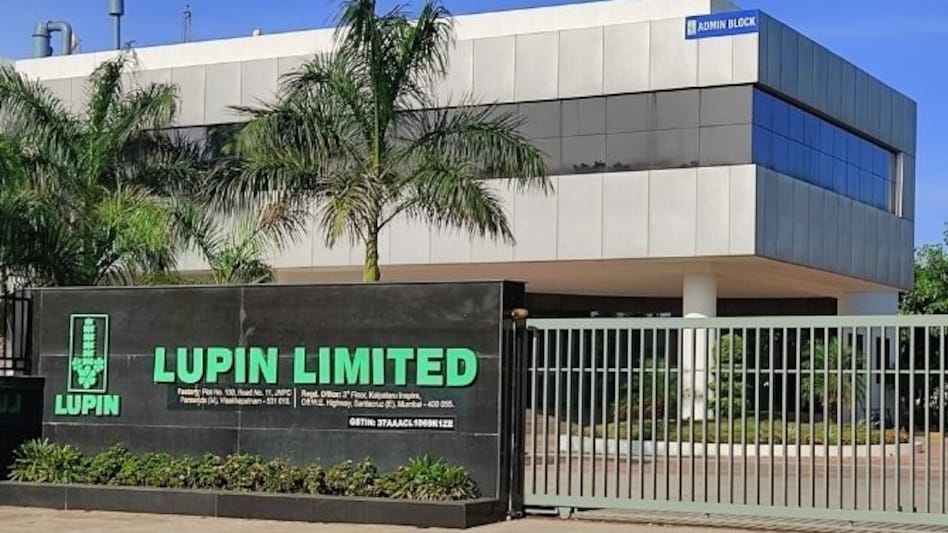
 As part of its US strategy, Lupin has announced plans to invest $250 million over five years in a new inhalation manufacturing facility in Coral Springs, Florida.
 Lupin is increasing its focus on complex generics, biosimilars and specialty products as it seeks to sustain growth after a strong financial year. Vinita Gupta, CEO at Lupin told Business Today that the company’s strategy is centred on high-barrier products, operational efficiency and selective expansion across key markets.
FY25 built on the company’s turnaround over the past two years. Consolidated sales rose 12.9% year-on-year to ₹221,921 crore, while EBITDA margins improved to 24.7% from 20% in FY24. The company’s market capitalisation touched a high in January 2025.

 NSE IPO day 1 update : Issue subscribed 31% so far; NIIs, employees lead bidding | Key details
 MDR on UPI: Will examine concerns raised by stockbrokers, says SEBI chief
 Diwali demand lifts Indian food exports as global buyers seek sweets, snacks and ready-to-eat foods
 NSE IPO: SGX, LSEG, ICE and CME Group - how NSE compares with global peers
  US tariff clouds loom again: India awaiting more clarity on Russia sanctions bill
 Fed Hikes Rates 25 Bps: What It Means For Indian Markets | Gaurang Shah
 CII Chief R Mukundan On BRICS Trade, 7.8% Growth, Reforms And India’s Chip Push
 Saudi Aramco Halts Crude Supplies To India? Refiners Face Higher Oil Costs
 Fed Hike, Trump Tariffs: Why Indian Markets Are Staying Steady | Gaurang Shah
 Trump Vs Warsh: Fed Rate Hike Sparks Fresh Clash Over Inflation And Borrowing Costs
 NSE IPO day 1 update : Issue subscribed 31% so far; NIIs, employees lead bidding | Key details
 Alembic Pharma shares rise 4% on receiving USFDA EIR for Vadodara facilityNSE IPO: SGX, LSEG, ICE and CME Group - how NSE compares with global peers
  CFF Fluid Control shares: Multibagger small-cap stock surges nearly 9% to hit record high; here's why
 Yatharth Hospital shares jump over 8% to hit record high; here's why
 Donald Trump: Iran War "Hopefully" Nearing Its End, Tehran Wants To Make A DealFed Hikes Rates 25 Bps: What It Means For Indian Markets | Gaurang Shah
 Kiren Rijiju Wishes PM Modi On Birthday, Hails Leadership And Vision For Developed India
 UPI MDR Explained: OTT AutoPay, SIPs & Mutual Fund Payments — What Changes From Oct 15?NSE IPO day 1 update : Issue subscribed 31% so far; NIIs, employees lead bidding | Key details












