









 Parsi community shocked by feud between Tata Sons and MistryParsi community shocked by feud between Tata Sons and Mistry
The bitter public feud between the Tata family, which controlsIndia's most respected conglomerate, and it's now ousted chairman Cyrus Mistryhas created an unwelcome stir in the tiny Parsi community to which both sidesbelong.
There are only about 58,000 Parsis in India, a nation of 1.2billion people. Yet, the community has included some of India's biggestbusiness names, its top nuclear scientists, world-class musicians and severalsenior military officers including the country's first field-marshal.
Parsis are also known for maintaining their privacy.
"They should have settled this between themselvesinstead of what has happened so publicly," said a Parsi woman stepping outof the community's fire temple in downtown Mumbai.
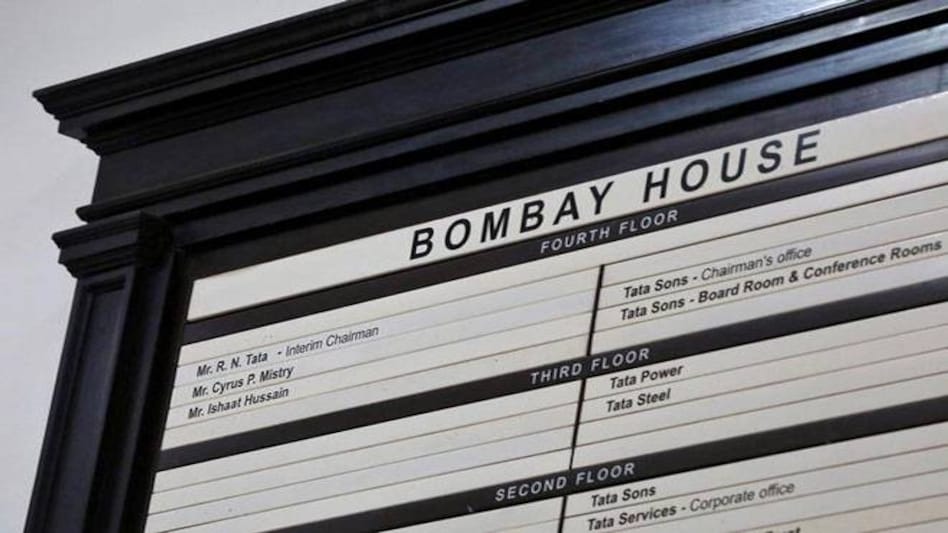
The row between Ratan Tata, family patriarch of thesprawling $100 billion salt-to-steel Tata Sons empire, and Cyrus Mistry, ascion of the billionaire Shapoorji Pallonji clan, erupted in public last week.Both families are pillars of the Parsi community, comprised of descendants ofPersians who first landed in India in the ninth century.
Tata Sons announced on Oct 24 that Mistry had been removedas chairman of the company. Sources close to the company said Mistry'scorporate strategy was seen as transgressing the core Parsi value of workingfor the greater common good.
A five-page e-mail response from Mistry to the Tata boardwas leaked two days later, containing scathing criticism of the company'scorporate governance practices and Ratan Tata's role in some of the company'scostliest errors. The two sides have traded barbs on a near-daily basis sincethen.
While business spats are not uncommon in India's financialcapital Mumbai, the public allegations of malfeasance and the central role oftwo billionaire Parsis has not gone down well in the community.
"I would say Cyrus, walk out with a little dignity andself respect. Don't wash dirty linen in public. Don't make the press yourplayground. Fight battles inside boardrooms," said Rumi Behram Balsara, asecond generation shareholder in some Tata group companies.
TATA Ethos
From shipyards to textiles, Mumbai's Parsis have led thecity's commercial development from a group of sleepy fishing villages to one ofAsia's business capitals.
Parsi business houses owned by the Tata, Wadia and Godrejfamilies are at the forefront of India's corporate world. The Tata empirestretches from Jaguar Land Rover to Tetley Tea, while the Wadia family ownstextile and food-product businesses. The Godrej Group owns interests ineverything from consumer goods to chemicals.
Parsis follow the Zoroastrian faith, an ancient pre-Islamicreligion of Iran. Some of the tenets of the faith like charity and doing goodto others have long been woven into the Tata heritage and business ethos. Muchof the dividend paid out by Tata Sons gets funneled into charitable trustsinvolved in philanthropic work.
The crux of the Tata world view, said Morgen Witzel, aU.K.-based author of a book on the Tata company, is shareholder value shouldnot be an end in itself. "Companies are not machines for making money.They exist to provide value and service to their communities; profit is aby-product of that process."
That view appears to be at the heart of the boardroomdust-up. Mistry was attempting to gradually transform Tata from a sprawlingempire of middling businesses into a much more focused profit-drivenenterprise, but that involved decisions like axing businesses and jobs, movesthat jarred with the Tata ethos, say sources close to the conglomerate.
"Over time, the Tatas had built up a fantasticreputation. However, the size and resistance to change meant that many of theirbusinesses were not able to keep up with the times," said Ronny Bharda, aMumbai-based Parsi businessman. "Cyrus Mistry brought about a renewedsense of enthusiasm. He had the ability to bring about change."
"Eventually, what social good can the house of Tatasdo, if they do not earn any money?"
More than Business
Some Parsis believe the community should ignore the spat.
"The Parsi community isn't the custodian of thoughts,words and deeds of every Parsi," said Baghzaad Bhomisha, a Mumbai-bornParsi settled in Australia, adding Parsis had bigger concerns than the"egos and worthless legacies of Parsi billionaires."
ALSO READ: With Tata patriarch back as pilot, likely tailwind for airline ventures
Mistry, an Irish citizen, was the first chairman in the Tatagroup's 148-year history to not belong to the Tata family. He was named chairof the group in 2011 after a lengthy search for a replacement for Ratan Tata.In an organization populated by veterans, his anointment at age 43 was a markeddeparture for the Tatas.
Mistry's family is also prominent and has long had ties withthe Tatas. His elder brother Shapoor runs the Shapoorji Pallonji conglomerate,which is focused on construction and real estate. It also owns the largestindividual stake in Tata Sons, after the family trusts headed by Ratan Tata.
The two families are related by marriage - Cyrus Mistry'ssister is married to Ratan Tata's half-brother Noel.
"Mistry's ouster shows a person with a keen businesssense only won't work. Tata is built on more than just business," saidKaizad Todywalla, a Parsi who owns a coin auction house in Mumbai.
"I personally believe you need a Tata to make sure thatthe ethos of the group or the philosophy behind it remains."
ALSO READ: Mistry-Tata row: Brickwork Ratings downgrades Tata Steel
 'Iran taking too long to negotiate a deal, will have to pay the price': Trump's fresh warning to Tehran
 Centre likely to take measures to stem net FDI outflows
 Why is India’s obesity drug market thinning despite the GLP-1 rush?
 Planning to fly from Jewar? Air India Express pulls out. What changes for you
 Shocker for Mamata: Saayoni Ghosh, Yusuf Pathan, Shatrughan Sinha among 19 TMC MPs on rebel list
 Why SpaceX, OpenAI, Anthropic IPOs Are A Pipe Dream For Indian Investors
 Why Are Oil Prices Cooling Despite Renewed U.S.-Iran War ? | Narendra Taneja
 Foreign Capital Could Return As Oil Prices Stabilise, Market Outlook Improves
 PoK Uprising: 27 Dead As Pakistan Army Cracks Down On Banned JAAC Protests; India Demands Justice!
 Market Commentary: Ashish Kila's Wealth-Creation Strategy For Investors
 Ather Energy, Ola Electric, Bajaj Auto or TVS Motor: Which EV two-wheeler stock is best placed for the next leg of growth?
 Trapped at the Terminal - Where Even Your Stop-Loss Won't Work
 Stock market today: Why Nifty failed to hold gains and closed lower
 SpaceX IPO demand surges as investors chase Elon Musk's biggest market bet
 Bharti Airtel vs Vodafone Idea: Poring over key financials of telcos