


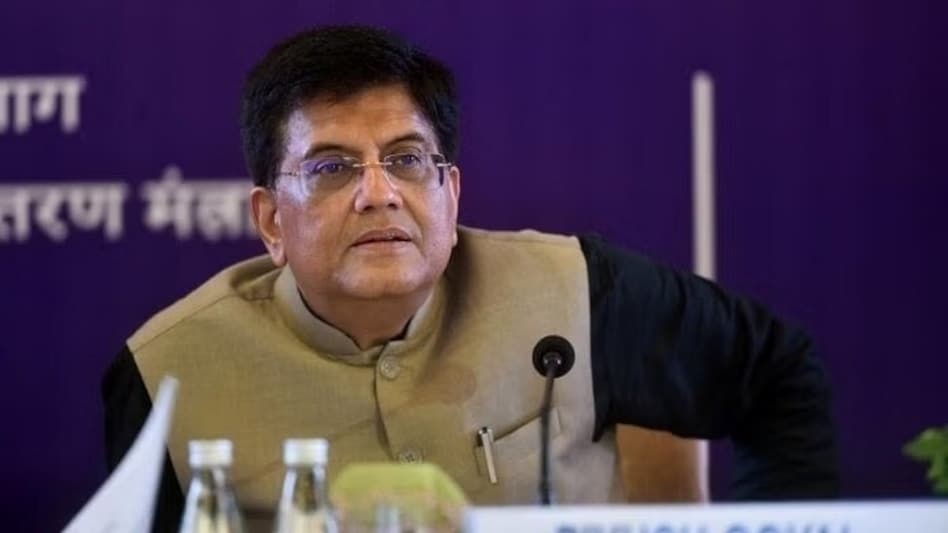
 During his visit, Piyush Goyal is expected to hold high-level talks with EU Commissioner for Trade and Economic Security Maroš Šefčovič.
Union Commerce and Industry Minister Piyush Goyal is set to travel to Brussels for a two-day official visit on January 8 and 9, 2026, in a move that signals renewed momentum in efforts to conclude the long-pending India–European Union Free Trade Agreement (FTA). The visit reflects the intensifying diplomatic and technical engagement between New Delhi and Brussels as both sides push to bring the negotiations to a close.
The talks come at a crucial phase for India–EU economic ties. After remaining stalled for more than nine years, FTA negotiations were relaunched in June 2022, marking a fresh commitment to deepen trade and investment relations. Since then, the two sides have held 14 formal rounds of negotiations, along with several ministerial-level interactions, the latest of which took place in December 2025.

 Will RBI raise interest rates in October? Here’s what experts have to say
 Bitter Friday for Nestlé: Russia seizes assets as Moscow targets Western firms over Ukraine support
 West Asia impact: Saudi Aramco halts European crude allocations after East-West pipeline attack
 Tata Electronics partners with Japanese, Malaysian firms to boost semiconductor manufacturing in India
 From selling gold to spending ₹3.5 lakh: iPhone 18 Pro fever hits India as fans queue up on sale day
 “Unacceptable And Unprofessional”: MEA Rejects Pakistan’s Claims Over INS Kolkata Collision
  Commodity Trading For Beginners: How MCX & NCDEX Work | Trading Basics | Money Today
 US Fed Rate Hikes A Headwind For Foreign Flows? | Jibi Jacob | Jefferies
 ₹25 Billion FII Outflow: What Could Bring Foreign Investors Back? | Jefferies' Jibi Jacob
 India’s Private CapEx Picks Up: Christopher Wood On The Market Outlook
 Jindal Supreme, SS Retail, Hero Motors IPOs subscribed up to 181 times on final day; details here
 Sensex, Nifty post sixth weekly loss; TCS, Titan among top laggards, slip up to 4%
 How AI collapse could benefit Indian equity market; Jefferies' Christopher Wood explains
  Banks are no more secular growth story, prefer NBFCs: Chris Wood
 Jefferies' Christopher Wood sees gold at $10,000 'sooner or later'; likes India's small, midcaps
 Mumbai’s 100-year-old Taj hotel makes world’s top 50, jumps 8 places
 12,500 feet! Man drives e-rickshaw to Spiti Valley, documents epic Himalayan trip
 Tata Sierra Legend Series starts at ₹11.99 lakh: What Indian SUV buyers get in each new L variant in India
 Asian Games 2026 begins in Japan: India’s stars, events and how to watch live
 Who is Rajesh Rawani? Jharkhand truck driver behind 'R Rajesh Vlogs' and luxury truck












