


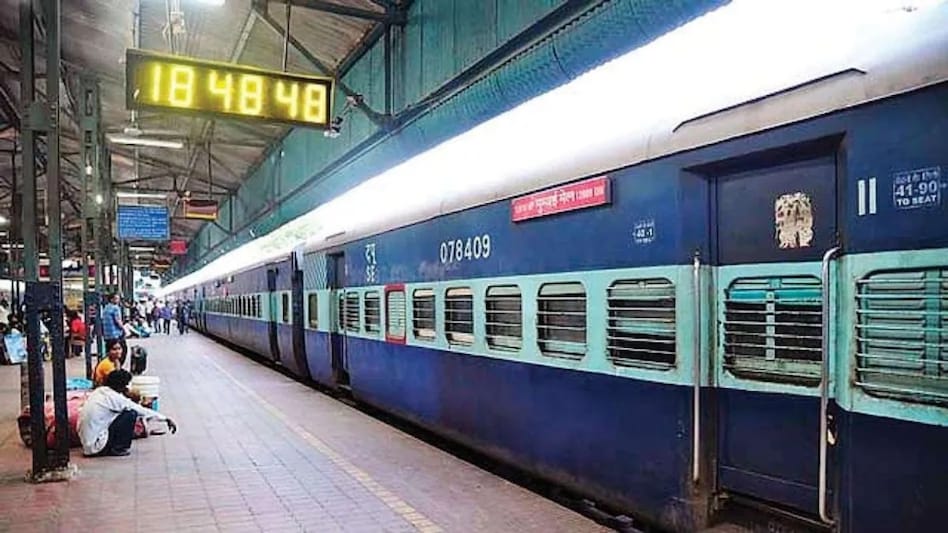
 Indian Railways freight basket remains dominated by traditional commodities, which have contributed to modest overall growth in railway freight volumes, with a CAGR of only 5.6% in the past five years.
Indian Railways is looking at fast moving consumer goods (FMCG) as a key commodity of its freight basket soon and has called for an industry meet next week to deliberate on opportunities for rail-based transportation.
The move comes as several reports have projected a slowing of the growth of traditional railway freight commodities such as coal, cement, and steel by FY30. About 65% of Indian Railways' earnings come from freight movement and are a key source of revenue for the public behemoth.
 ₹8,862 crore in tolls! This state emerged as India's biggest highway toll revenue generator
 Could India witness a Korea-style market meltdown? Nithin Kamath explains the biggest risk
 How Indian investment overseas is gathering momentum
 Semicon 2.0, space, hydrogen trains: How manufacturing push is gaining pace, shows July's economic review
 To stay ahead, Indian manufacturers are embracing AI
 "RSS Controls Education, Dharmendra Pradhan Is Just A Symbol!": Rahul Gandhi’s Scathing Attack
 KOSPI Crash Explained | ₹152 Lakh Crore Gone, AI Stocks Under Massive Pressure
 PSU Stocks Outlook: Can Defence, Power & Industrial PSUs Deliver Strong Returns Ahead?
 "Normal Law & Order": JP Nadda Hits Back At Kharge Over Police Action On Student Protesters!
 Parliament's Most Viral Debate Yet? How Gen Z Language Entered Lok Sabha
 Could India witness a Korea-style market meltdown? Nithin Kamath explains the biggest risk
 Dabur India Q1 results: Profit up 15% at Rs 591 crore YoY; revenue climbs 11%
 FIIs could return to market in six months, says Ajay Bagga
  Sensex, Nifty climb over 1% each; investors add Rs 4 lakh crore in wealth
 Banks, IT, defence, power stocks likely to lead FY27 earnings upgrades, says Ajay Bagga
 AI could boost India's productivity more than it cuts jobs, says Goldman Sachs"RSS Controls Education, Dharmendra Pradhan Is Just A Symbol!": Rahul Gandhi’s Scathing Attack
 Samsung Galaxy Z Fold 8 Ultra Unboxing
 'Amit Shah Ordered Firing?' Rahul Gandhi's Charge Sparks Fierce Showdown in Lok Sabha
 'Delulu', 'FOMO', 'Kuchu Puchu': Gen Z Slang Dominates Parliament Debate










