


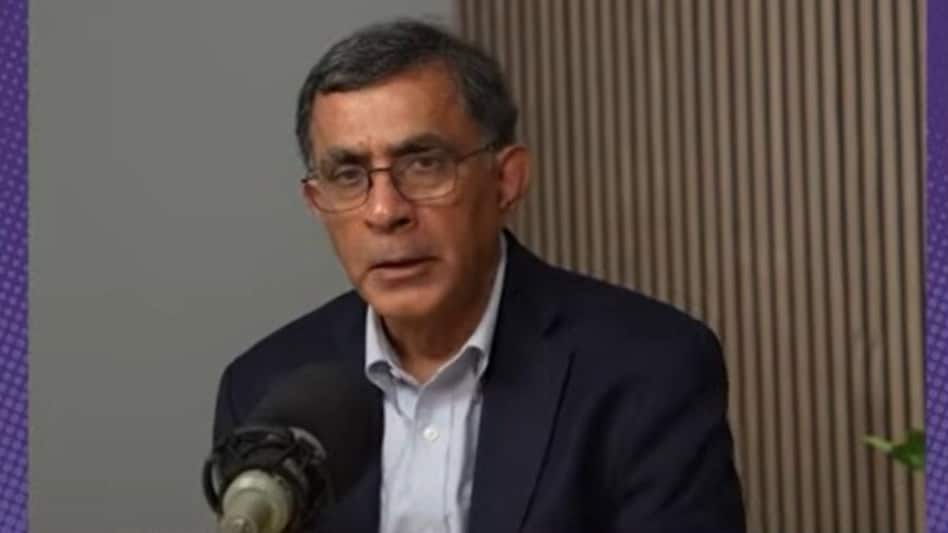
 Devesh Kapur, Professor of South Asian Studies at Johns Hopkins University
India continues to spend enormous sums on loss-making public sector enterprises, according to Devesh Kapur, Professor of South Asian Studies at Johns Hopkins University. Kapur was speaking at a discussion on his book 'A Sixth Of Humanity: Independent India's Development Odyssey', which he has co-authored with Arvind Subramanian, former Chief Economic Advisor to the Government of India.
The professor listed three findings that surprised him during the research for the book. "We know the story of the Nehru period, public sector undertakings, how costly they were. For the first time, we put together data on all central public sector enterprises and their financials. We could not do it for the states because in many states, the accounts just do not even exist. They're that bad," Kapur said during the discussion at Q Collective, formerly known as Quorum.

 Navratri gift: Govt caps margins to 30% for 137 anti-cancer drugs; revised prices from Nov 9
 Regulatory outreach a priority: Incoming CEO Anup Bagchi maps operational plan for HDFC Bank
  YES Bank Q2 profit rises 65% to Rs 1,080 cr; proforma impact of restatement of AT-I bonds revealed
 Yes Bank examining in detail Supreme Court verdict on AT1 bonds: CEO
  FSSAI cracks down on FMCG giants Nestlé India and HUL over misleading labels, safety violations
 Gold Investment Options: ETFs, EGR And MCX Explained | How To Invest In Gold Beyond Physical Buying
 Redmi Note 17 Pro Max Review , Vivo V80, Vivo Vision | Tech Gear EP 20 | Business Today
 Mahindra XUV 3XO ZNG Review: Turbo Power Meets CNG Mileage
 Gold, Silver Prices: Limited Upside Ahead Of Diwali? Expert Sees Gold At ₹1.5 Lakh, Silver At ₹2.3
 Expert Names REITs And INVITs To Watch For Quarterly Payouts And Potential Investment Returns
 YES Bank Q2 profit rises 65% to Rs 1,080 cr; proforma impact of restatement of AT-I bonds revealed
 ICICI Bank Q2 results: Net profit jumps 20% to Rs 14,843 crore; NIM contracts
 IDBI Bank Q2 net profit falls 39% to Rs 2,205 crore on year-ago's one-off gain
  Axis Bank Q2 net profit surges 38% to Rs 7,003 crore; NIM at 3.36%; key details
 HDFC Bank Q2 results: Net profit rises 4.7% to Rs 19,510 crore; key highlights
 IPL 2027: Goa likely to host auction on December 16 as BCCI informs franchisesYes Bank examining in detail Supreme Court verdict on AT1 bonds: CEO Navratri gift: Govt caps margins to 30% for 137 anti-cancer drugs; revised prices from Nov 9FSSAI cracks down on FMCG giants Nestlé India and HUL over misleading labels, safety violationsYES Bank Q2 profit rises 65% to Rs 1,080 cr; proforma impact of restatement of AT-I bonds revealed












