















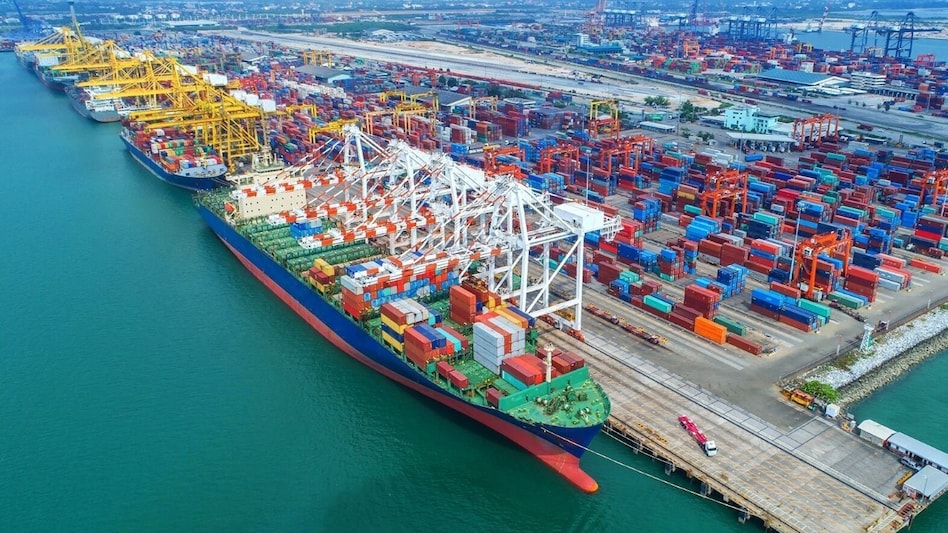
 Actual tariffs are much lower than what were announced, says a working paper
Despite headline-grabbing tariff announcements under US President Donald Trump's administration, the actual impact on prices, trade flows and domestic industry has been more muted than widely feared, according to a new working paper by economists Gita Gopinath and Brent Neiman.
The paper, The Incidence of Tariffs: Rates and Reality, states that statutory tariff rates on US imports have risen dramatically to levels that have not been seen in more than a hundred years. At the end of September 2025, the trade-weighted average tariff rate sat at 27 per cent. "Imports from 176 exporters, on goods accounting for more than 70 per cent of total US imports, faced higher tariffs than they did at the end of 2024."

 Dope test for all pilots annually? Deliberations between DGCA, stakeholders underway
 Apple’s CEO transition begins: iPhone-maker holds farewell for Tim Cook ahead of John Ternus’ takeover
 Sugar prices set to ease? ISMA says panic buying caused spike, no actual shortage in India
 US plans 7.5% ‘overcapacity’ tariff on Chinese goods, to take overall tariffs to about 20%
 Bank unions strike: Around 8 lakh employees to agitate over 5-day working week, PLI scheme, pension issues
 “Frozen Is Not Bad”: Sanjeev Kapoor Busts Myths About Restaurant Food & Food Safety
 Market Masters | Aniruddha Sarkar On Top Sectors, Market Outlook & Where To Invest
 Daily Calls: Ask Your STOCK MARKET TODAY QUERIES | Market Update | Share Market News Today
 All About Debt Funds: Types Of Debt Funds & How To Invest | Mutual Fund Guide | Money Today
 “India Can Attract Global Space Talent Like A Magnet”: PM Modi To Startup CEOs
 HDFC Bank shares: JM Financial cuts target price to Rs 800, maintains 'ADD'
 Vedanta shares: VRL repays loans, Anil Agarwal firm updates on encumbrance
 HAL, Astra Microwave, Solar Industries shares: Here's Anand Rathi's top defence stock pick
 ESDS Software Solution IPO opens on August 28: Check price band, issue size and other key detials
 TCS, Infosys, Wipro, HCLTech, TechM, Sonata Software, R Systems shares: Check ratings, outlook
 Russia moves to secure India's fertiliser supply as subsidy bill mountsHDFC Bank shares: JM Financial cuts target price to Rs 800, maintains 'ADD'Vedanta shares: VRL repays loans, Anil Agarwal firm updates on encumbranceHAL, Astra Microwave, Solar Industries shares: Here's Anand Rathi's top defence stock pickESDS Software Solution IPO opens on August 28: Check price band, issue size and other key detials


