


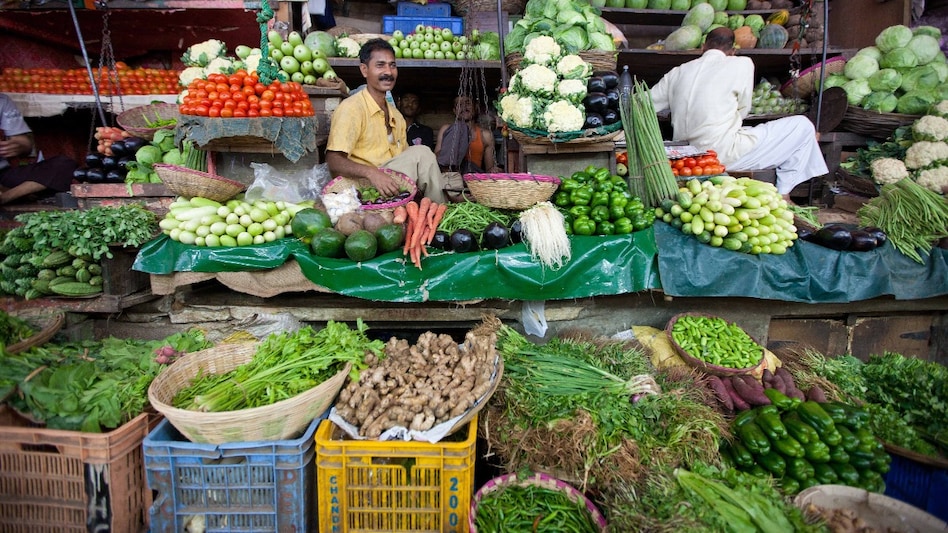
 The RBI’s Monetary Policy Committee (MPC) noted last month that inflation is likely to accelerate in the last quarter of FY26, particularly due to the volatility in vegetable prices and other food items.
India’s retail inflation rose to 2.07% in August, up from an eight-year low of 1.55% in July, as per government data. The increase was driven by the fading impact of high base effects, which had kept inflation at historically low levels in recent months. Additionally, a rise in food prices, which constitute nearly half of the Consumer Price Index (CPI) basket, contributed to the uptick. Despite the increase, August marked the seventh consecutive month that inflation remained below the Reserve Bank of India’s (RBI) 4% medium-term target.
Food inflation, which makes up nearly half of the Consumer Price Index (CPI) basket, rose to -0.69% in August from -1.76% in July.

 NSDL, CDSL, BSE shares: Check key technical levels to watch out for
 Bajaj Finance, L&T Finance, PNB Housing, Five-Star Finance: NBFC stocks to buy
 Raksha Bandhan 2026: Will NSE, BSE be closed on August 28? Check stock market holiday
 India, Canada eye Bilateral Investment Treaty to unlock ₹4.65 lakh crore trade by 2030
  Are banks closed on Raksha Bandhan? Check full list of states where physical operations are affected
 Nepal Flood Crisis: Massive Floods Leave Trail Of Destruction Across Rasuwa, Nuwakot And Chitwan
 Oseltamivir Shortage Explained: Why H1N1 Cases Are Driving Demand & Prices Are Varying Sharply
 Stock Market Outlook: Strong Earnings, Global Risks; What’s Next For Nifty Above 24,000?
 Lupin Stock Outlook: Citi Downgrade Vs Bernstein Buy; Is The Pharma Stock A Buy Now?
 Polycab, KEI Industries: BofA Buy Calls, Targets Up To ₹11,000; Sunny Agrawal Picks Polycab
 Raksha Bandhan 2026: Will NSE, BSE be closed on August 28? Check stock market holidayBajaj Finance, L&T Finance, PNB Housing, Five-Star Finance: NBFC stocks to buyNSDL, CDSL, BSE shares: Check key technical levels to watch out for
 HDFC Bank shares hit 52-week low, down 28% YTD; experts see further downside
 Fintech firm Paramotor Digital gets Sebi nod for IPO
 Big victory for Anthropic: US court strikes down Pentagon blacklist over illegal retaliationRaksha Bandhan 2026: Will NSE, BSE be closed on August 28? Check stock market holidayAre banks closed on Raksha Bandhan? Check full list of states where physical operations are affectedBajaj Finance, L&T Finance, PNB Housing, Five-Star Finance: NBFC stocks to buy
 LPG, CNG, PNG prices today, August 28: Check latest rates in Delhi, Mumbai, Kolkata, other cities












