Fearful footsteps
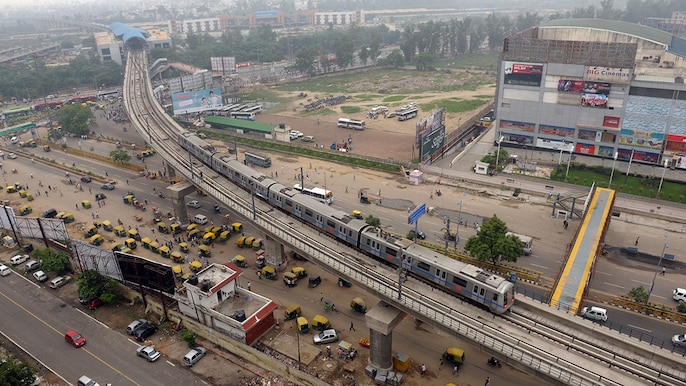
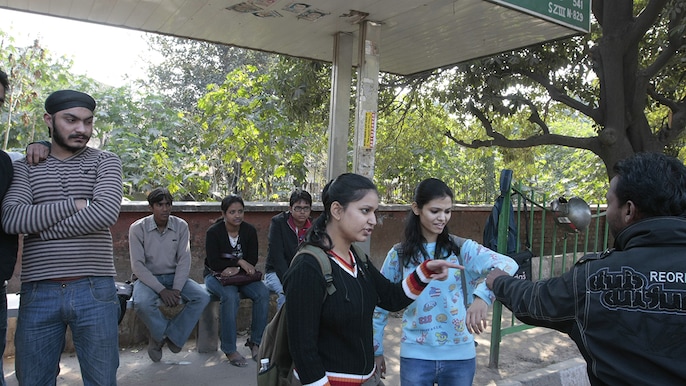
A short walk to a metro station or bus stop should be routine. But for many women and girls in Delhi, it comes with fear. A study by the Centre for Equity and Inclusion (CEQUIN) found that 87.5% of respondents felt unsafe walking to their nearest public transport stop. Based on responses from 1,588 women, girls and LGBTQ+ people, the findings raise troubling questions about everyday mobility in the capital. (Representative Images)
Dark danger
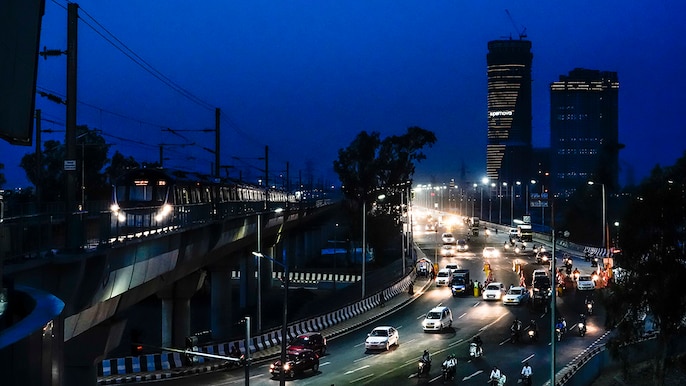
Broken footpaths, poorly lit streets and uncomfortable encounters are turning ordinary journeys into a daily challenge. The CEQUIN study found that 88.9% of respondents felt unsafe in public parks after dark, while more than three-fourths reported inadequate footpath lighting. Nearly 80% said men's behaviour, including staring, comments and following, contributed to their sense of insecurity (Representative Images)
Complaint confusion
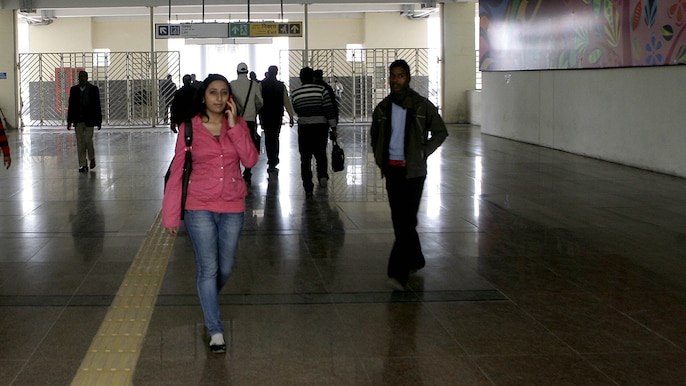
What happens when women feel unsafe but don't know whom to approach? The study found that 80.5% of respondents could not identify the civic authority responsible for addressing their concerns. Another 52.3% did not know where to complain about footpaths and parks. Among those aged 60 and above, 80.6% did not know where to report problems, exposing a major gap in public awareness (Representative Images)
Freedom restricted
The consequences of unsafe streets may extend far beyond an uncomfortable walk home. Delhi recorded 13,396 crimes against women in 2024, the highest among India's 19 major metropolitan cities, according to NCRB data cited in the report. Meanwhile, Delhi's female labour force participation rate stood at just 14.5% in 2023-24, compared with 54% for men. The study raises questions about how safety concerns may restrict women's access to public spaces and employment, although these figures do not establish a direct causal link (Representative Images)
 Stocks To Buy Now? | Where Should Investors Put Their Money? | Sudip Bandyopadhyay
 What’s Hot: Stocks, Gold & Big Money Moves | Daily Markets Show | November 26 | Business Today
 Getting Married This Winter? 7 Financial Decisions To Make As A Couple
 Agri Minister Shivraj Chouhan Says No Foodgrain Crisis, India Has Adequate Rice And Wheat Stocks
 India's Factory Future | Why AI Is Now A Manufacturing Imperative | Sunil Mathur