

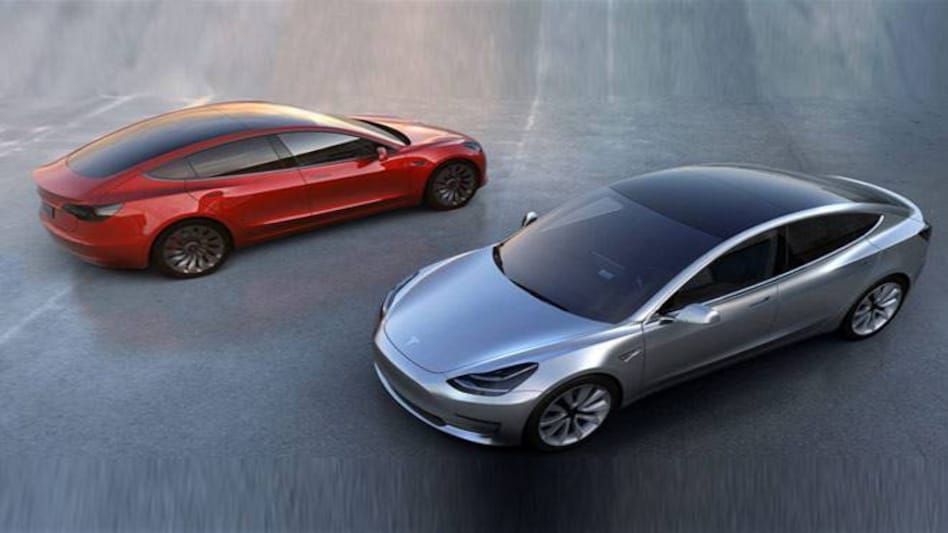
State owned Energy Efficiency Services Ltd, which is spearheading the government's electric mobility programme in India, is planning to come up with a fresh tender of 10,000 units by the end of this fiscal year.
EESL, a joint venture of four power PSUs--NTPC, REC, PFC and POWERGRID-- had in the past disrupted the LED bulb industry by floating bulk tenders that lead to a eight-fold decline in price of a 9 watt LED bulb in three years. In the case of electric vehicles, an industry still in its infancy in the country, it is trying a similar trick to provide a springboard for manufacturing of electric cars in the country. In August earlier this year, it came out with its first tender of 10,000 vehicles. The first phase of 500 vehicles is being supplied by the two successful bidders--Tata Motors and Mahindra and Mahindra.
 Jensen Huang says he is ready to return as Nvidia CEO, leaves decision to board
 Tata Sons IPO row deepens: Darius Khambata challenges Venu Srinivasan, Vijay Singh over U-turn, says report
 India's health habits are changing: 90% use health apps, 81% willing to pay more for wearable data, finds PwC survey
 Global funds buy Indian stocks despite $3.9 billion offshore withdrawals: Why are investors taking different bets?
 RIL shares among top Sensex gainers, rise over 2%; here's why
 Karnataka CM DK Shivakumar Highlights State's $80 Billion Startup Ecosystem At Bengaluru Tech Summit
 Union Budget 2027 | Govt Eyes Higher CapEx, Jobs & Manufacturing Push: BTTV Sources
 Budget 2027: Ajay Bagga, Ambareesh Baliga Want LTCG Scrap To Boost Market Sentiment
 Markets Stage A Comeback: Can The Bulls Sustain The Momentum? | Arun Kejriwal
 Mahindra XEV 9S Gets 5-Star Bharat NCAP Rating: Check Crash-Test Scores

 Rupee strengthens to highest level since April, hits 7-month high
 Sensex, Nifty extend gains for second session; Nifty Bank hits record high: What lies ahead?
 ITC, HDFC Bank, Vodafone Idea among retail favourites seeing MF buying; Suzlon shares face selloff
 Multibagger Defence stock to buy: InCred see up to 36% upside in Sigma Advnaced despite 9,000% rallyRIL shares among top Sensex gainers, rise over 2%; here's why
 ₹5 lakh hospital bill: Should you break an FD, withdraw PF, use savings or take a medical loan?
 Financial Horoscope Today, November 18, 2026: Improvement in the Financial Condition of Sagittarius, Know the Status of Other Signs
 India's office furniture market set to reach $8 billion by 2031: What's driving the growth?
 Australia increases second working holiday visa work requirement from 88 to 120 days
 Luxury homes are changing: What affluent buyers now expect beyond location, space and design












