

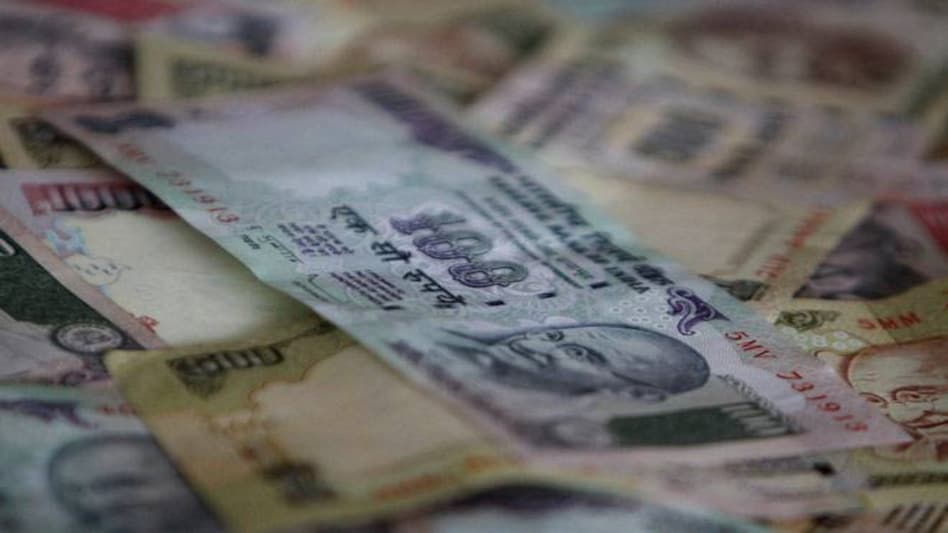
Rajya Sabha uninaimously passed Goods and Services Tax (GST) bill on Wednesday. Dubbed as the biggest tax reform after independence, GST will remove several tax barriers for transfer of goods and services between states.
The roll out of GST will begin from April 1, 2017. It is expected to add around 2 percentage points to India's GDP.
 Trump says shelved Iran strike would have been 'biggest since WW2'; diplomacy talks begin today
 Nifty, Sensex, Nifty Bank outlook for today: GIFT Nifty up 170 points; key levels to watch
 Adani Power, DLF, Bajaj Finance: Stocks to trade — Key levels, targets, stop loss & more
 Edelweiss Nifty REITs & Realty Index Fund: This won't get equity tax benefits -- here's how gains will be taxed
 The ₹2.5 crore mistake most investors make isn't choosing the wrong stock — it's starting 10 years late
 Why Are I.T. Stocks Returning To PMS Portfolios? Expert Explains The Value Opportunity
 Buying Term Insurance? Never Hide These Health Details Or Risk Your Claim Being Rejected
 India’s Logistics Game Is Changing: The Big Infra Push Explained
 Active Vs Passive Mutual Funds: Which Gives Better Returns For SIP Investors?
 IRFC CMD Manoj Kumar Dubey Reveals Top Funding Priorities Beyond Railways & IRFC 2.0 Vision
 Nifty, Sensex, Nifty Bank outlook for today: GIFT Nifty up 170 points; key levels to watchAdani Power, DLF, Bajaj Finance: Stocks to trade — Key levels, targets, stop loss & more
 Top stocks in news: Maruti Suzuki, ITC, Cola India, BEL, Nalco, ZEEL, Lupin, CDSL, autos
 Astra Microwave shares: Analyst on what should investors do post rally in defence stock
  Oswal Pumps shares to test Rs 290? Expert flags damaged chart structure, advises exitTrump says shelved Iran strike would have been 'biggest since WW2'; diplomacy talks begin todayEdelweiss Nifty REITs & Realty Index Fund: This won't get equity tax benefits -- here's how gains will be taxedNifty, Sensex, Nifty Bank outlook for today: GIFT Nifty up 170 points; key levels to watch
 Quote of the Day by Elon Musk: 'Some people don't like change, but you need to embrace change if the alternative is disaster' Adani Power, DLF, Bajaj Finance: Stocks to trade — Key levels, targets, stop loss & more










