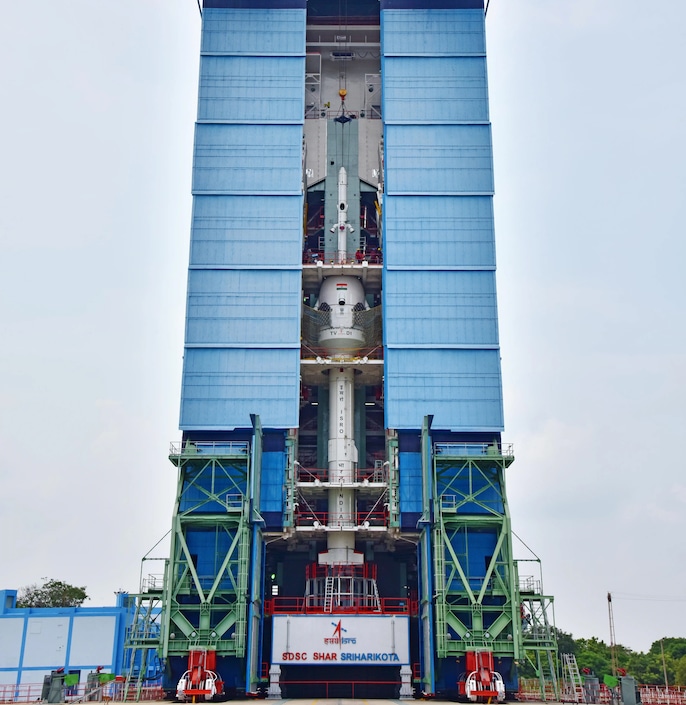
ISRO chairman V Narayanan has said the first uncrewed Gaganyaan test flight, G1, is scheduled for December 2026, according to a 12 November report. It will lift off from Sriharikota on the human-rated HLVM3 rocket. G1 is the first step before ISRO flies Indian astronauts on an Indian rocket.
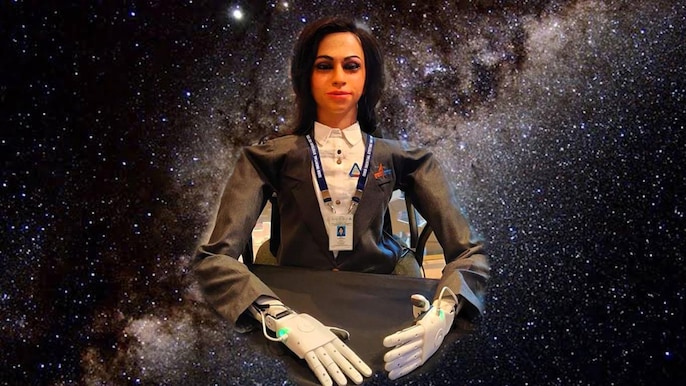
G1 carries no astronauts. Instead it flies Vyommitra, ISRO’s half-humanoid robot. Narayanan has said it will monitor the module, issue alerts and carry out life-support operations. Its job is to help engineers check cabin conditions and life support before a crew goes up.
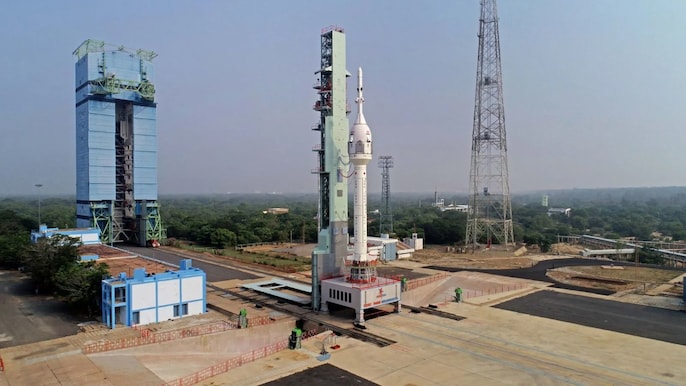
The flight will test the crew and service modules, re-entry, parachute deployment and a splashdown in the Bay of Bengal, Space.com reported. ISRO plans at least three uncrewed missions, G1, G2 and G3, before the first crewed flight, H1.
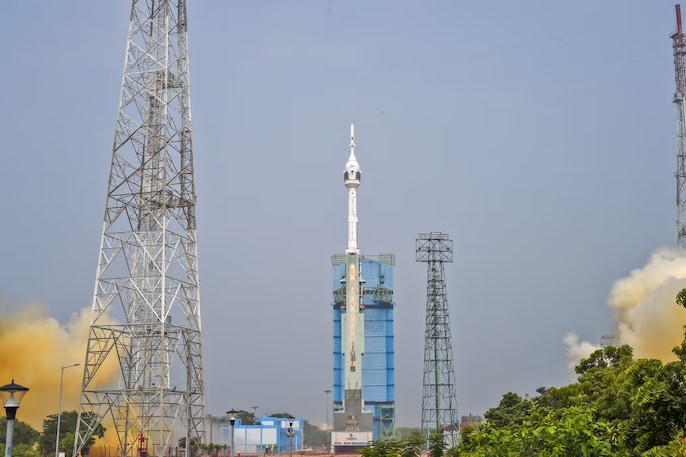
Work began in 2018. The first target was August 2022, for India’s 75th year of independence. G1 was then planned for December 2024. In October 2025, Narayanan said it was “set for launch in December first week”. In August 2026, a Rajya Sabha reply moved it to the October–December quarter of 2026.
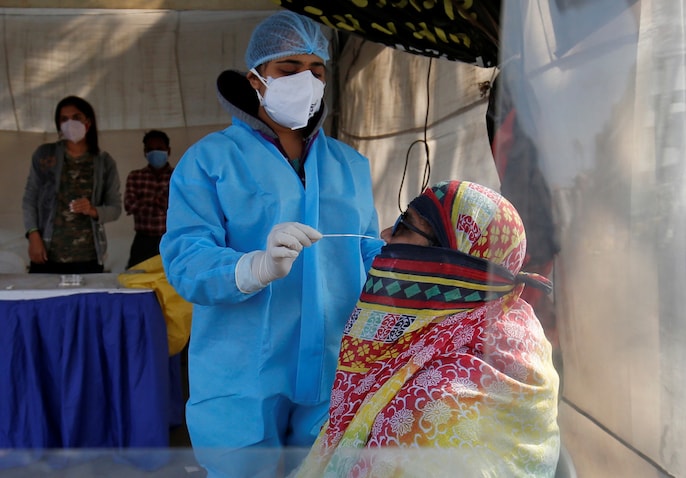
Covid-19 caused the first delays, and ISRO diverted resources to help hospitals. Later delays came from the slow process of making every system safe enough for humans. “I don’t want what happened to the Boeing Starliner,” then-chairman S Somanath said in 2024. A parliamentary committee also flagged budget cuts.
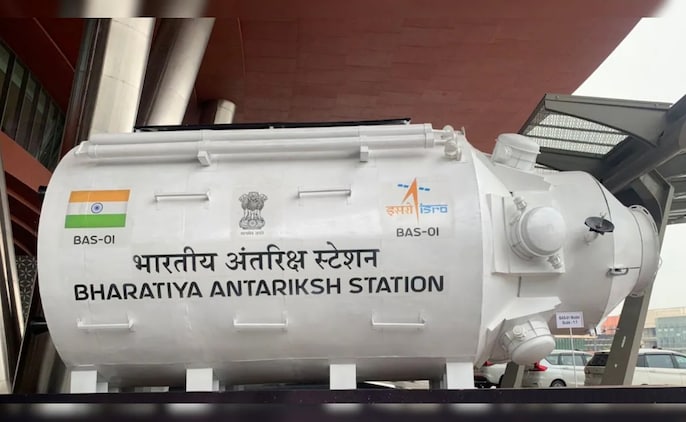
In 2024 the Union Cabinet raised Gaganyaan’s budget to ₹20,193 crore, adding ₹11,170 crore. The expanded programme includes eight missions by December 2028, among them the first module of the Bharatiya Antariksh Station. The goal is an Indian space station by 2035 and an Indian on the Moon by 2040.
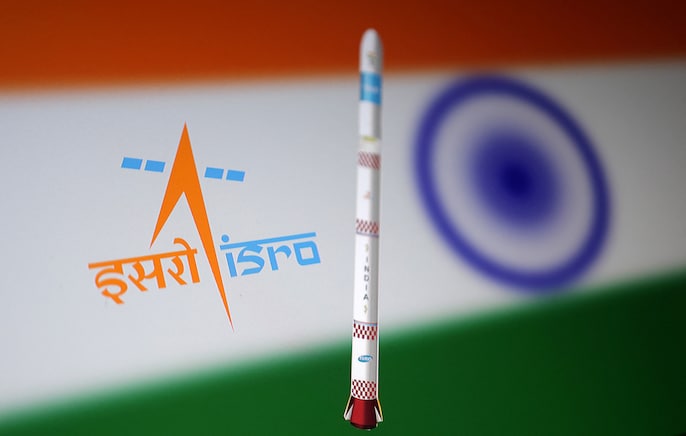
ISRO’s last public target for the first crewed flight was the first quarter of 2027, and that depends on the uncrewed flights going well. The crewed mission will carry one to three astronauts to about 400 km above Earth. If it succeeds, India becomes the fourth country to fly people to space on its own rocket.
 TVS Family Dispute Explained: Kapil Sibal On Control, Ownership And Inheritance Law
 Vivo X Fold 6 Review: Is This ₹2.2 Lakh Foldable Worth Buying?
 Tata Group Rift Deepens: Khambata's Letter, Jimmy Tata's Stand Add To Tensions
 Nvidia Q3 Results: Revenue Doubles, Board Rejects Jensen Huang's Return | What's Next?
 Samvat 2083: Which Asset Classes Will Create Wealth This Year?