


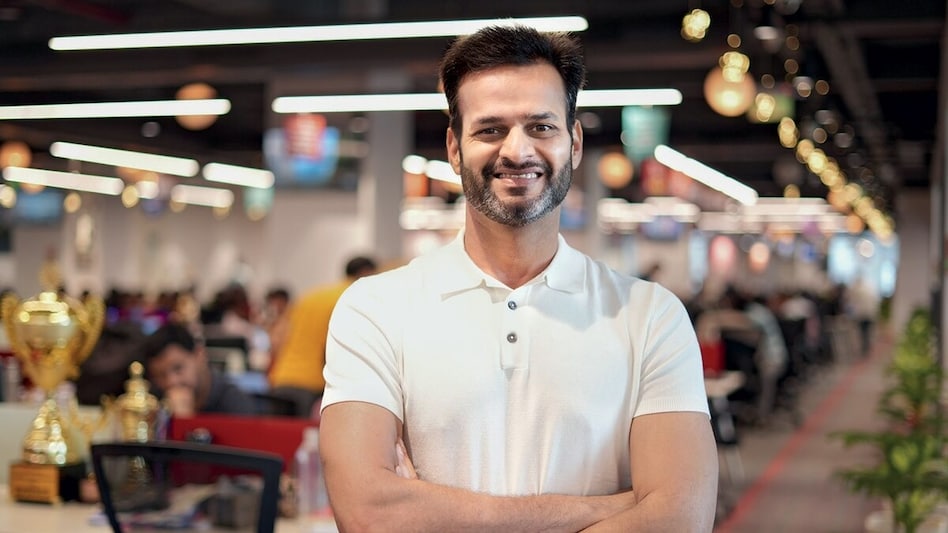
 In an ecosystem often dominated by motivational threads and overnight success narratives, the message stands out for its pragmatism.
 When a 21-year-old recently asked what it takes to build a startup, the response from Rohit Bansal was not the usual Silicon Valley-style rallying cry to “just start.”
Instead, the co-founder and COO of Snapdeal offered something more measured: get close to a founder before becoming one.

 Bangladesh-Pakistan ties: What Dhaka’s interest in Saudi-Türkiye defence pact means for India
 AI jobs rise 51% in India, but 75% of job skills could change by 2030: LinkedIn India head
 From small loans to big businesses : How rural women are changing India’s microfinance story
 RBI forex swap facility draws $72.85 billion inflows, FCNR(B) deposits account for bulk
  JioBlackRock Mutual Fund revises 6 schemes, adds gold, silver ETFs to flexi cap fund allocation
 Rental Income Tax: 3 Key Deductions Every Senior Citizen and Property Owner Should Know
 Meta’s $200 Billion Trial: Did Instagram & Facebook Keep Kids Hooked?
 Motor Insurance Explained: Is Third-Party Car Insurance Enough? Know Before You Buy
 Retirement Tax Planning: 5 Ways Senior Citizens Can Reduce Their Tax Liability
 #IndiaAt100 : Adipen Bose Nandhiji On Conscious Capitalism- Can Profit & Purpose Coexist?
 Crompton Greaves says no plan to sell stake, expects revenue to double by FY31
 Gaja Alternative Assets IPO: 3 ways to check application status; allotment odds, GMP, listing date
 FII sentiment shows early signs of turnaround after months of selling: Report
 ₹24,800 crore bill: How transaction costs are eating into retail derivatives trading
 Cupid, NTPC Green, NTPC, Raymond Realty, HAL shares: Key technical levels to watch
 Numero Uno Gujarat: How Gujarat, the growth giant, is attracting massive investments in manufacturing
 Govt scraps 12-minute ad cap on TV channels to level playing field with digital media
 Gold ETFs attract ₹1,179 crore in first half of August even as prices rebound: What is driving investor demand?
 How We Did It: The methodology behind the ranking of India’s Top 10 manufacturing states
 Maharashtra CM Devendra Fadnavis on the state's $100-bn infra-ambition












